
Last updated November 17, 2026





Free written scope consultation - allowances, timeline, and change-order rules on paper before a single trade is scheduled
How to Hire a Construction Contractor in Tustin: A Step-by-Step Guide
A contractor who hands you a detailed bid on day one, before walking your property, has already told you how they’ll handle the surprises that show up mid-project. Most “how to hire” advice tells you to collect three bids and pick the middle one. That advice optimizes for price, and price is the last thing you should compare. The work that separates a smooth remodel from a six-month headache happens before a single estimate is requested: checking a license classification, reading an insurance certificate, knowing what a real proposal looks like. This guide walks you through that process, step by step, with the local details that matter in Tustin.
Quick Answer
To hire a construction contractor in Tustin, verify their CSLB license and classification first, confirm their insurance covers your specific project type, ask scope-filtering questions before any site visit, and demand a written proposal with named products, warranty language, and subcontractor disclosure. Get three bids only after you’ve qualified the bidders. The lowest number from an unverified contractor is not a deal; it’s an unknown scope waiting to expand.
Styles & brands we work with
- Kitchen remodeling
- Bathroom remodeling
- Home additions & ADU
- Roofing
- Windows & doors
- Driveway & pavers
- Fence
Table of Contents
- Why Vetting Happens Before the First Estimate
- How to Use the CSLB License Lookup in Tustin
- Five Questions to Ask Before the Site Visit
- What a Legitimate Tustin Proposal Should Include
- How to Read an Insurance Certificate
- The Lien Release Process and Why It Matters
- Matching the Contractor to Your Project Scope
- Tustin Climate and Housing: What Affects Your Project
Why Vetting Happens Before the First Estimate
The three-bids rule treats every contractor as interchangeable. They aren’t. A bid is only as good as the contractor’s ability to price what they actually see, and a contractor quoting from a phone call or a square footage number is guessing. When the guess is low, the difference comes back as a change order. When it’s high, you overpaid for scope nobody verified.
In our experience across Tustin projects, the homeowners who end up happiest aren’t the ones who found the cheapest number. They’re the ones who spent an hour verifying credentials before inviting anyone out. That hour does three things:
- It filters out contractors who can’t legally do the work you’re describing.
- It surfaces whether the contractor carries insurance that actually covers your project type.
- It tells you, before you’ve invested time in a site visit, whether the contractor handles your scope or subcontracts it.
There’s a structural reason this matters more in Tustin than in many places. The city’s housing stock spans mid-century ranch homes, newer infill builds, and a steady stream of ADU and addition projects driven by state housing policy. Each of those scopes pulls in different trades, different permit paths, and different license classifications. A contractor who’s excellent at one may be unqualified for another.
The order of operations is the whole point: verify, then interview, then invite, then compare. Reverse that order and you’re comparing prices for work nobody has defined.
How to Use the CSLB License Lookup in Tustin
Every contractor doing work over $500 in California must hold a license from the Contractors State License Board, and the CSLB lookup is public and free. It takes about two minutes. What most homeowners miss is the classification.
California licenses are classified by trade, and the classification tells you what the contractor is legally allowed to build. The two you’ll encounter most often on residential work:
- Class B (General Building Contractor): Can take a project involving two or more unrelated trades, and can subcontract the specialty work. This is the license most whole-house remodels, additions, and ADUs require.
- Class C-8 (Concrete Contractor): Limited to concrete work. A C-8 can pour and finish concrete but cannot take a project that also involves framing, electrical, or other trades.
Here’s where it gets practical. A driveway project may sound like a single job, but the moment it involves grading, drainage tie-ins, or a new approach apron that affects the structure, the scope can cross into a Class B project. A contractor holding only a C-8 who bids that job is either going to decline the parts they can’t legally do or, worse, do them anyway. Neither outcome is good for you.
When you run the lookup, check four things:
- Status: Active, not expired or suspended.
- Classification: Matches the work you need.
- Bond and workers’ comp: Both should show on the record.
- Complaint history: Read any disclosed complaints, and note whether they were resolved.
Take a screenshot of the record. It’s your baseline if anything goes sideways later. For a kitchen or bathroom remodel, that Class B check is non-negotiable. For a driveway, fenced yard, or exterior refresh, it’s still the first thing to confirm. At Construction Tustin, we scope work across those categories consistently, and the license record is the starting point for every one of them.
Five Questions to Ask Before the Site Visit
The phone call that precedes a site visit is a filter. A contractor who answers these five questions clearly and without hedging is probably a problem-solver. One who deflects or gives vague answers is an order-taker who’ll hand your project to whoever’s available.
- “What license classification covers this work, and who on your team holds it?” If they can’t tell you, walk away. This is basic knowledge for anyone operating legitimately in California.
- “Who pulls the permit, and who’s named as the contractor of record?” On any structural, electrical, plumbing, or mechanical work in Tustin, the permit matters. The person who pulls it is legally responsible for the work. It should be the contractor you’re hiring, not the homeowner.
- “Will anyone on this project be a subcontractor, and if so, what trades?” Subcontractors are normal and often appropriate. What matters is disclosure. If they can’t name the trades they’ll sub out, they haven’t thought about your project yet.
- “What manufacturer brands do you work with on this type of project?” A contractor who can name the products and explain why they choose them has done the material homework. One who says “whatever’s available” is telling you they’ll substitute when supply gets tight.
- “What’s your written proposal going to include, and how long until I see it?” You want to hear specific brand names, warranty language, and a timeline that isn’t “soon.”
We ask ourselves the same questions before quoting. Every estimate we deliver names the products – GAF or CertainTeed for roofing, KraftMaid or Wellborn for cabinetry, Cambria or Silestone for countertops, Belgard or Unilock for hardscape – because material selections made from real options are the difference between a quote you can trust and one that changes once work starts.
What a Legitimate Tustin Proposal Should Include
A proposal is more than a price. It’s the contractor’s statement of what they understand the job to be. If it’s missing scope detail, the omissions are where change orders live. Here’s what to look for:
- Specific product names and model lines: Not “tile backsplash” but a named tile. Not “cabinets” but KraftMaid or Wellborn. Named products are what you can verify, compare, and hold the contractor to. Substitutions should require your written approval.
- Manufacturer warranty language: Each branded product carries its own manufacturer warranty, and those documents belong in the proposal. James Hardie fiber-cement siding comes with a manufacturer warranty; a generic “siding” line doesn’t. Window and door lines carry their own warranty terms. Ask for them in writing, not verbally.
- Subcontractor disclosure: Every trade the contractor plans to sub out should be listed. On ADU and addition projects, that’s usually a longer list – framing, plumbing, electrical, HVAC. Prefab and modular brands like Abodu, Dvele, Mighty Buildings, or Plant Prefab bring their own delivery and assembly scopes that should be spelled out clearly.
- Permit responsibility: Who pulls it, who pays for it, who schedules inspections. Confirm that inspections and sign-off are included in the price, not tacked on later.
- Payment schedule tied to milestones: Deposit, then progress payments tied to completed phases. Never a large payment up front with no completion schedule.
- Change order process: How changes are priced, who approves them, and what format they take. A written change order signed by both parties is standard; a text message is not.
In our experience, one of the biggest differences between a proposal from a full-scope contractor and one from someone who’s just selling you a trade is how they treat the seams. Roofing meets fencing meets hardscape. Doors meet window lines. A proposal that names the seams – who transitions from what to what, and how – is a proposal from someone who’s built a whole property before, not just a single trade. We build ours that way.
How to Read an Insurance Certificate
An insurance certificate (the ACORD form your contractor hands you) proves coverage exists on the date it was issued. Two things matter most: general liability, and workers’ compensation.
General liability pays if the contractor damages your property or someone else’s during the work. Workers’ comp covers injuries to their employees. If either is missing, you’re exposed – you can be held responsible in some scenarios for injuries on your property to uninsured workers.
Here’s the part most homeowners miss. A certificate proves coverage at some amount, but it doesn’t tell you whether that coverage extends to the specific scope you’re doing. A policy with a low limit may be fine for a fence job and completely inadequate for a mid-five-figure addition or ADU. The policy may also have exclusions – for example, for structural framing, or for projects above a certain dollar threshold.
What to do:
- Ask for the certificate before signing anything, and check the expiration date.
- Call the insurer listed and ask them to confirm current coverage and the policy limits.
- Ask specifically whether the coverage extends to your project type. For an ADU or addition, ask about coverage for structural work. For roofing, ask about coverage for height work.
- Ask whether they have coverage for both the contractor’s employees and subcontracted trades, or whether the subs carry their own policies (and if so, ask for those certificates too).
We’re happy to walk any homeowner through their certificate line by line. It’s fast, it’s free, and it eliminates the most common surprise when something unexpected happens on a job.
The Lien Release Process and Why It Matters
In California, a contractor or supplier who isn’t paid can file a mechanic’s lien against your property. The lien is recorded against the title, and it can complicate a refinance, a sale, or simply your ability to prove you don’t owe someone money. Here’s the part that catches people: you can pay the contractor in full and still end up with liens from subcontractors or suppliers the contractor never paid.
The defense is documentation at every payment. On every project, you should expect:
- A conditional lien release from every sub and supplier upon each progress payment. It says: once this payment clears, I release my lien rights for this phase of work.
- An unconditional lien release – or final waiver – at project close, from every sub and supplier who touched your job.
- A preliminary notice at the start of the project from the contractor and any sub or supplier who hasn’t dealt with you directly. Getting these early means you know who has lien rights on your property.
Collect the releases with each check, and hold onto them. They’re as important as the final payment receipt, and more important than the invoice. Without a release, a receipt only proves the primary contractor got paid. It says nothing about everyone else. Ask for lien releases up front, and put the requirement in your contract. A contractor who resists this is telling you something.
Matching the Contractor to Your Project Scope
Tustin homeowners often end up coordinating separate specialists – one for the roof, one for the fence, one for the pavers, one for the kitchen. Each specialist is accountable only to their own scope. The gaps between them are where accountability dissolves.
Consider a common exterior refresh: new roofing, new fence, and a new driveway or patio in the same season. Three contractors means three schedules, three sets of permits (with likely overlap on scheduling), and three points of contact. When the fence crew tears up the pavers to set posts, whose problem is that? Without a single-contractor scope, the answer is usually yours.
When you evaluate a general contractor, ask how they handle the scope. A full-property scope across driveway & pavers, fence installation, home additions & ADU, roofing, kitchens, bathrooms, and windows and doors gives you one accountable party and one schedule. We work that way for a reason: the coordination burden is real, and it doesn’t disappear just because you have separate invoices.
Just as important is whether they name their material sources. Fencing through Barrette, Master Halco, or Bufftech tells you the material is manufacturer-backed, not a substitute. Windows from PGT, CGI, ECO Window Systems, or ViewLux, and doors from Therma-Tru, signal a contractor ready for performance-grade work, not just cosmetic swaps. Ask which brands they work with and why. The answers tell you more than any phone call.
Tustin Climate and Housing: What Affects Your Project
Tustin’s climate is mild and dry. Winters are cool but not cold, summers are warm and rainless. This shapes what your contractor should be scoping.
On the roofing side, that means materials should be selected for sun exposure and UV durability rather than freeze resistance. Manufacturer lines from GAF, CertainTeed, Owens Corning, IKO, Atlas, and Tamko all offer products in ranges from standard to premium, and the right choice depends on your roof’s sun exposure and pitch, not a one-size-fits-all rule.
On the exterior envelope, James Hardie fiber-cement siding holds up well in dry climates and pairs with the panel and trim work that a full exterior refresh usually needs. Windows and doors should be evaluated for thermal performance and, where relevant, impact-rated options for security and noise – not for snow load or salt air, which don’t apply here.
On hardscape, drainage and grade matter more than freeze protection. Belgard, Unilock, Techo-Bloc, Cambridge Pavers, and Tremron all offer paver lines designed for arid climates. A contractor who wants to talk about drainage, slope, and base preparation before they talk about paver style is the one you want.
Tustin also has a real push toward ADUs driven by state policy, and the approaches vary in cost and timeline. Prefab and modular builds (Abodu, Dvele, Mighty Buildings, Boxabl, Plant Prefab) move faster and are more predictable, while stick-built construction gives you more customization. A contractor who offers both can explain what each path means for your lot, your budget, and your timeline. We work across both, and we’ll walk you through the tradeoffs.
Common Mistakes to Avoid
- Picking the lowest bid without verifying the scope. A low bid often means missing line items that reappear as change orders once work starts. Compare scope first, price second.
- Skipping the CSLB classification check. Assuming any licensed contractor can do any job is a mistake. The classification is on the record and worth a two-minute look.
- Accepting an insurance certificate without calling to verify coverage extent. A certificate proves coverage exists. It does not prove that coverage extends to your project type or dollar size.
- Not collecting lien releases. Paying the contractor in full is not the same as clearing the property. Collect releases at every payment.
- Letting the contractor “handle” permits without confirming they’re named. A permit pulled by someone else is a permit that doesn’t protect you. Yours should be pulled by your contractor.
- Accepting a verbal change-order. Every change should be in writing and signed, with a price on it. Text messages don’t count.
- Hiring for one trade when the scope is clearly multi-trade. Hiring a separate contractor for the roof, the fence, and the pavers means you own the coordination. That gap is where budgets and schedules usually blow up.
See the difference
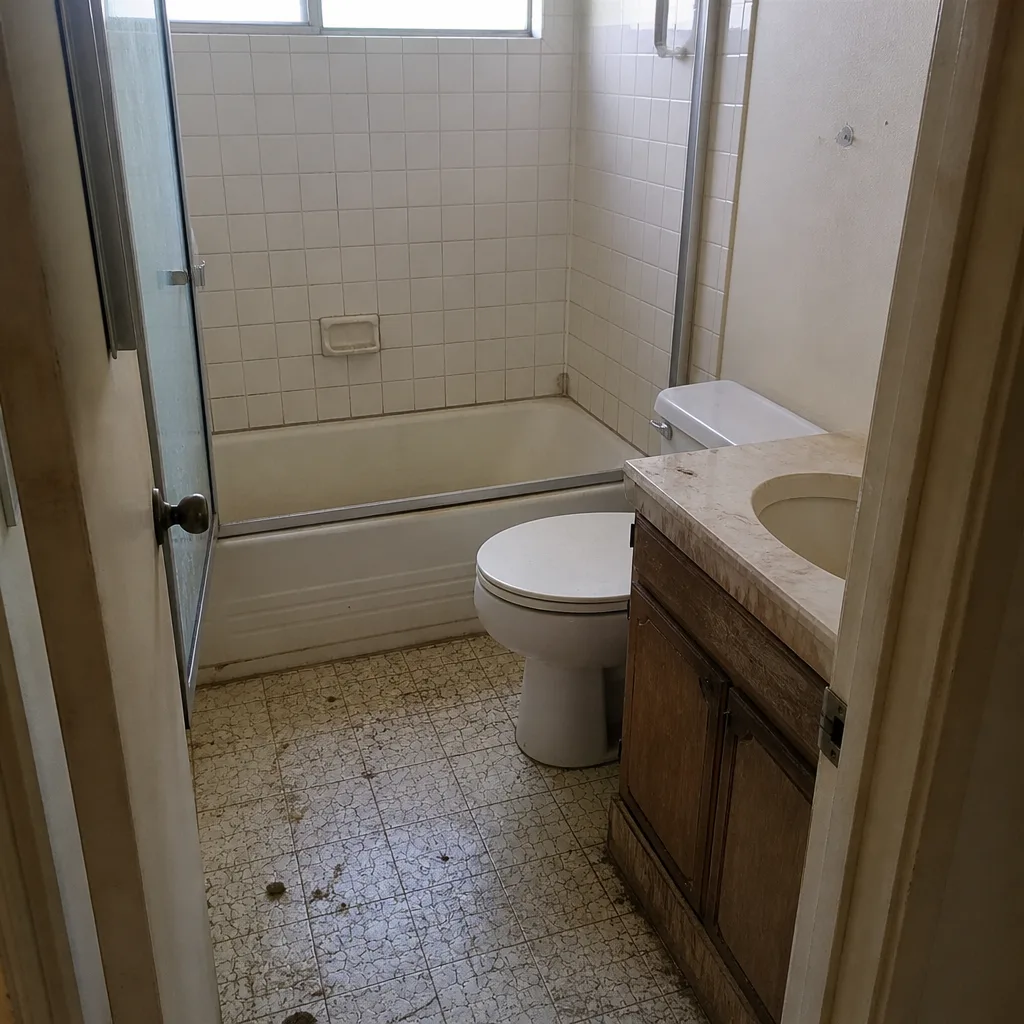 Before
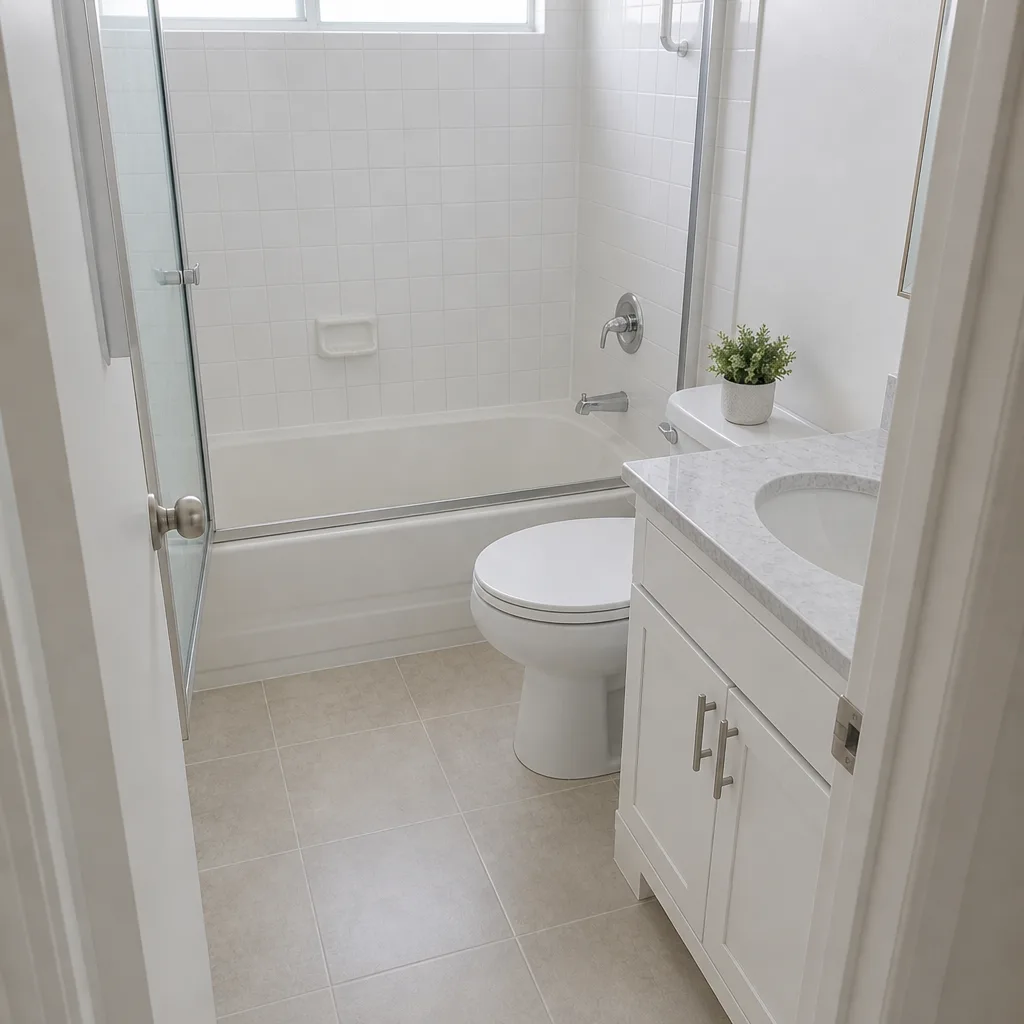 After
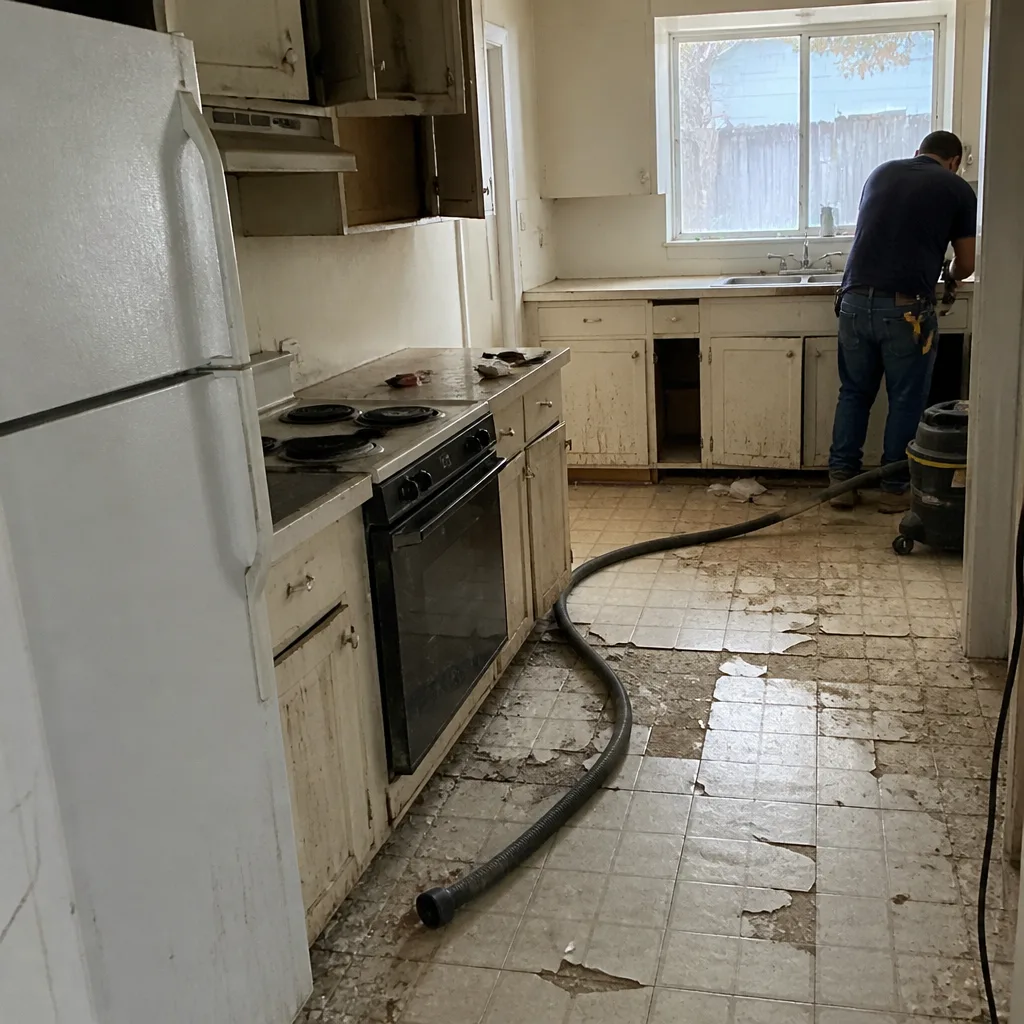 Before
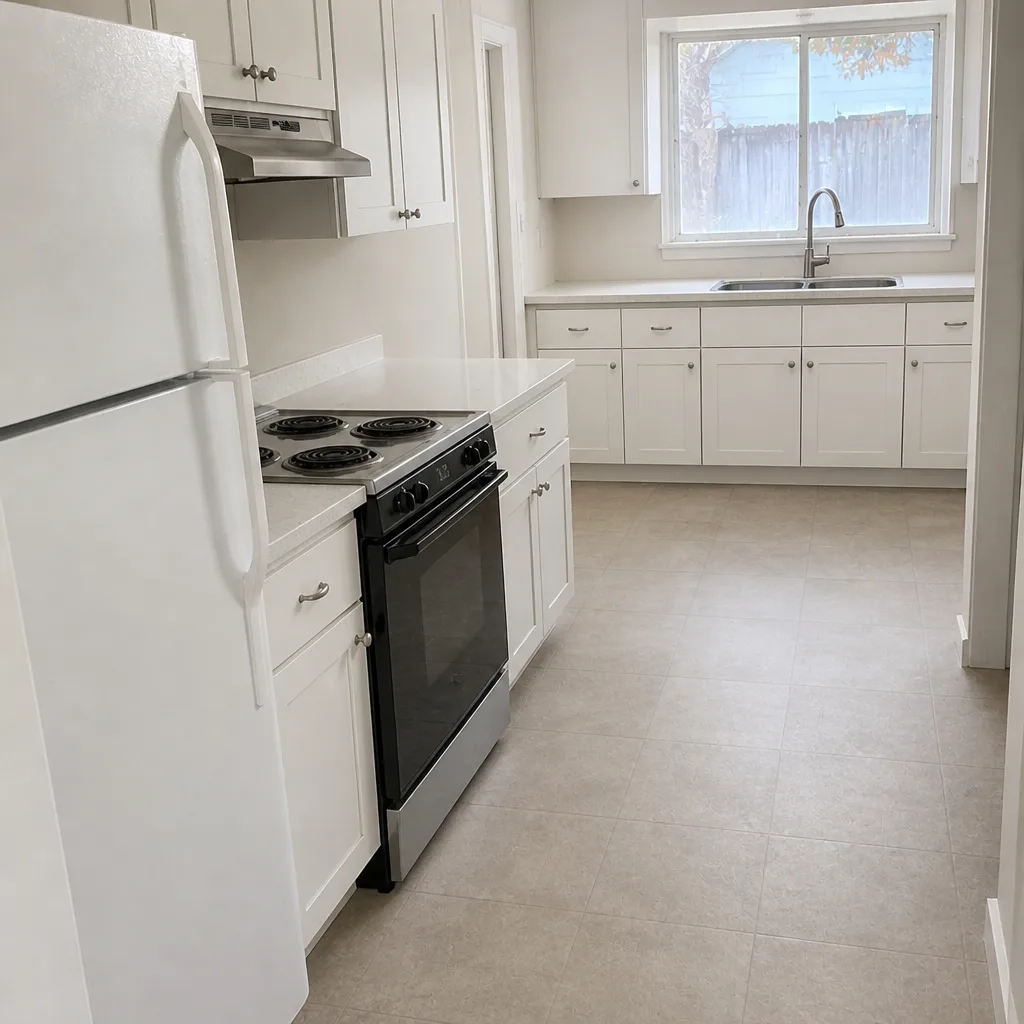 After
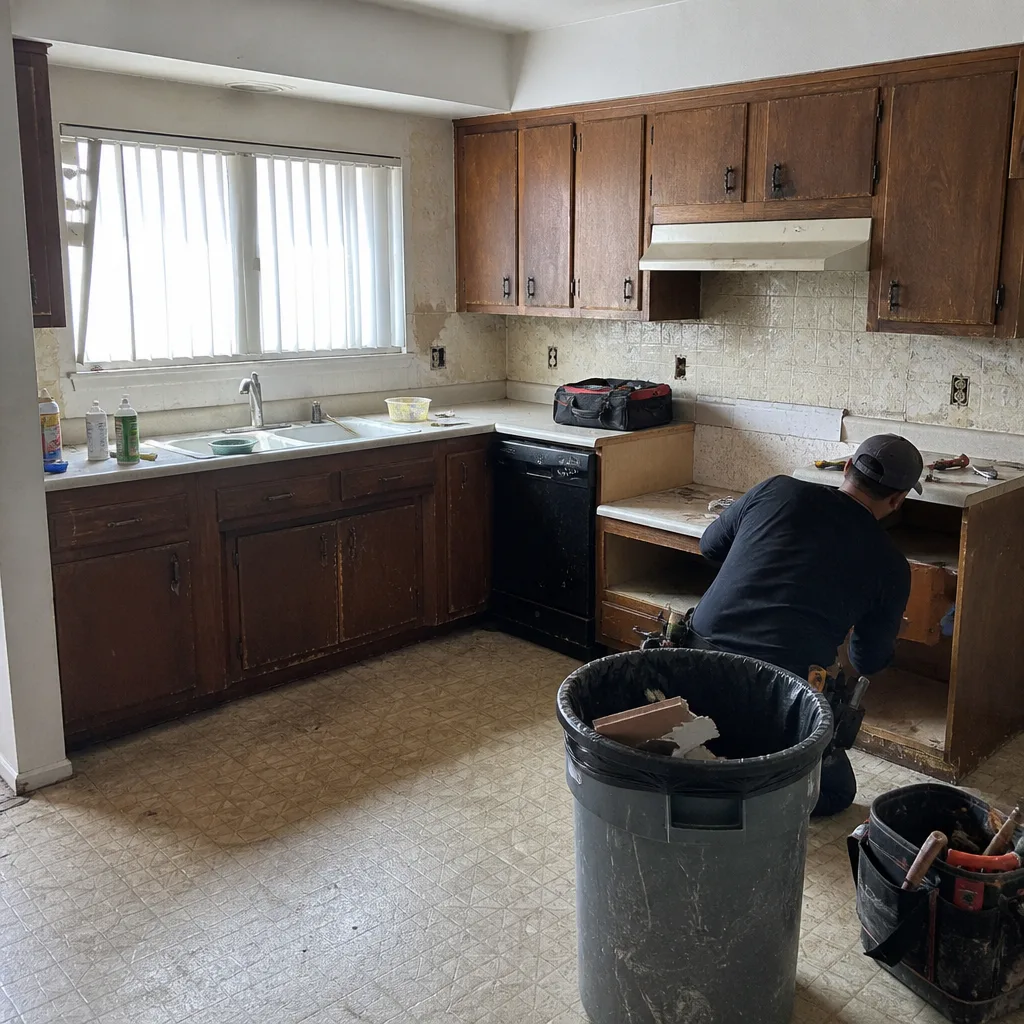 Before
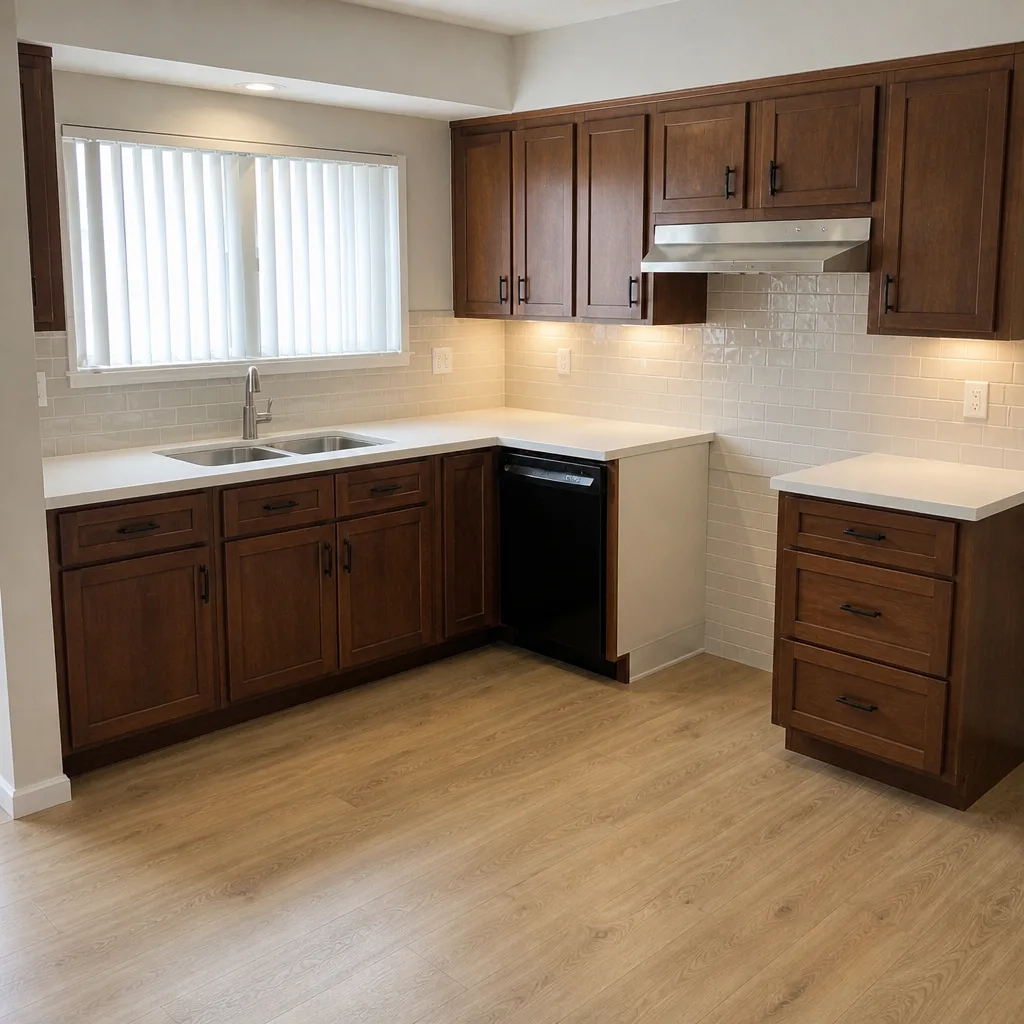 After
When to Call a Professional
There are scopes where the homeowner-managed approach works fine, and scopes where it doesn’t. Cosmetic updates, one-room refreshes without structural work, and a simple fence replacement are manageable. Anything involving structural change, electrical or plumbing alterations, roofing above a low slope, gas line work, or a new ADU pulls in specialized trades, permit coordination, and licensed classifications that are genuinely hazardous to attempt without professional oversight. High-tension garage door components, live electrical panels, gas piping, and steep-roof height work all carry real injury risk – call a trained, licensed professional rather than attempting that work yourself.
Our view is simple: if the project involves two or more unrelated trades, spans the roof and the ground, or requires a permit, it’s time to bring in a contractor who can hold the whole scope. Construction Tustin offers free estimates in Tustin – call (844) 415-6046 to schedule yours. We’ll walk your property, talk through materials, and put together a written proposal you can compare against the CSLB record and insurance certificate you’ve already collected.
Frequently Asked Questions

Use the CSLB’s public lookup tool and confirm three things: the license status is active, the classification matches the work you’re hiring for, and the bond and workers’ comp are both shown as current. Take a screenshot of the record for your files. If the license status or classification doesn’t match the work you need, don’t proceed.
For multi-trade projects – additions, ADUs, full kitchen or bathroom remodels – you need a Class B General Building license. For single-trade work like a standalone driveway pour, a Class C-8 concrete license can be legally sufficient, but the moment the scope crosses into grading, drainage tie-ins, or structural change, a Class B is usually required. Ask the contractor directly, and confirm on the CSLB record.
Costs depend on scope, material selections, and whether the project involves structural change or plumbing relocation. There’s no single number that fits every kitchen or bathroom, and any contractor who gives you one before walking the property is guessing. Call (844) 415-6046 for a free written estimate – we’ll walk the space, talk through materials, and put the actual scope in writing so the price is comparable.
Contact your contractor immediately and document the damage with photos. Review the general liability certificate you collected at hiring and confirm the damage falls within the policy’s coverage. If the contractor doesn’t have active coverage or their insurer denies the claim, that’s a legal matter best handled with the help of a California attorney who specializes in construction disputes.
Yes, but every change order should be in writing, itemized with a price, and signed by you before work proceeds. Verbal change orders and text message approvals aren’t sufficient and put you in a weak position if there’s a dispute. Ask for the change order process to be defined in your proposal before you sign.
Timelines vary significantly by approach. Prefab and modular ADUs from brands like Abodu, Dvele, or Mighty Buildings can move faster because the structure is built offsite, though site prep and permit review still add time. Stick-built construction is more customizable but generally takes longer on-site. We build both paths and can explain the timeline tradeoffs for your lot once we’ve looked at the property.
The Bottom Line
Hiring well in Tustin comes down to sequence. Verify the license classification before you take a call. Ask the five filter questions before any site visit. Read the insurance certificate and confirm coverage extends to your specific project. Collect lien releases at every payment. Demand a written proposal that names products, warranty terms, and subcontractors. Then, and only then, compare bids. The lowest price from an unqualified contractor is the most expensive outcome possible. When you’re ready, Construction Tustin offers free written estimates across roofing, kitchens, bathrooms, ADUs, windows and doors, fencing, and hardscape. One contractor. Every phase. No handoff gaps.
Call (844) 415-6046 for a free estimate. We answer 24/7. Fast dispatch from 7am to 7pm, Sunday through Friday.
Our technicians have up to 15 years of experience across the trades we coordinate, from Construction Tustin foundation-to-roof scopes to single-trade work.
Written by the team at Construction Tustin.