
Last updated November 17, 2026








Free written scope consultation - allowances, timeline, and change-order rules on paper before a single trade is scheduled
Seasonal Construction Care for Tustin: Year-Round Homeowner’s Guide
Most Tustin homeowners treat exterior maintenance as a single annual chore, usually triggered by the first leak or the first loose fence board. That timing is backward. The best window to reseal a Tustin roof or repoint mortar joints isn’t after the first rain of the season. It’s the dry, mild stretch in September, when temperatures drop below 95°F and the rain is still weeks away, so materials cure instead of getting trapped wet. Tustin doesn’t have dramatic seasons, but it does have a predictable four-phase stress cycle, and most damage happens because work gets scheduled in the wrong phase. This guide walks you month by month through that cycle, from the June marine layer to the February rain, and shows you what to check and when to act.
Styles & brands we work with
- Kitchen remodeling
- Bathroom remodeling
- Home additions & ADU
- Roofing
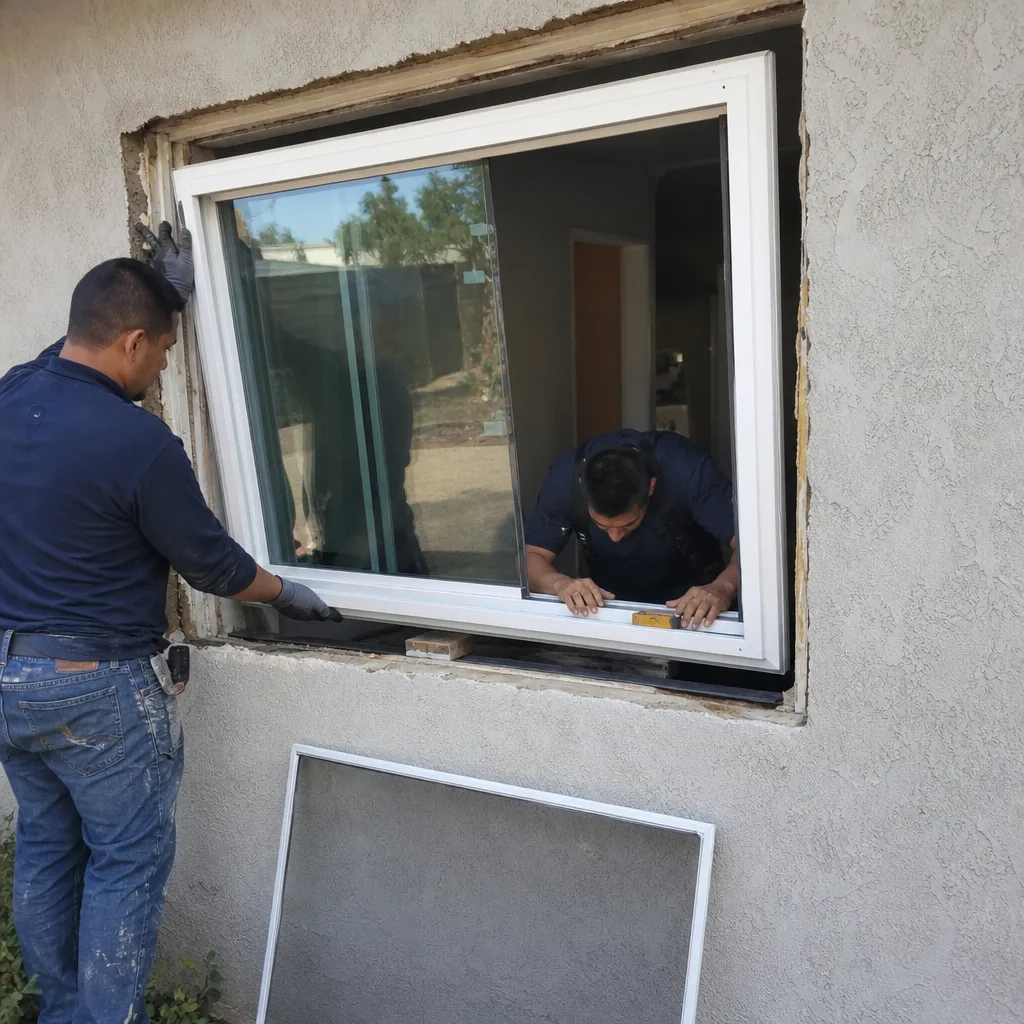
- Windows & doors
- Driveway & pavers
- Fence
Quick Answer
Seasonal construction care in Tustin follows four phases: June gloom moisture in early summer, peak UV exposure from July through September, Santa Ana wind and ember risk in October and November, and rain infiltration from February through March. The right response is to prepare each system (roof, fence, stucco, concrete, windows) in the dry weeks before its stress phase hits, not to repair afterward. September is the single most valuable maintenance month on the Tustin calendar because it sits between peak heat and the first rain.
Table of Contents
- Why Tustin’s Four-Phase Stress Cycle Beats a Generic Fall Checklist
- Month-by-Month Action Calendar for Tustin Homes
- June Gloom: How Marine Layer Moisture Differs From Rain
- Summer UV and Your Roof: What SRI Ratings Actually Mean for SoCal
- Santa Ana Wind Prep: A Checklist Before October
- The Post-Rain Inspection Sequence That Catches Water Intrusion Early
- Coordinating the Whole Property, Not Just the Roof
- Common Mistakes to Avoid
- When to Call a Professional
- Frequently Asked Questions
- The Bottom Line
Why Tustin’s Four-Phase Stress Cycle Beats a Generic Fall Checklist
The standard advice you’ll find online is “clean your gutters in fall, power-wash in spring.” That advice was written for climates with hard freezes and heavy snow loads, and it doesn’t map to Tustin. Here, the building envelope is stressed by four distinct forces spread across the calendar, and each one attacks different materials.
The four phases, in order:
- June gloom (roughly late May through June). A persistent marine layer keeps the air damp and cool, often for weeks on end. Moisture sits on surfaces instead of evaporating quickly. This is the toughest phase for stucco, wood fascia, and unsealed concrete, because the water lingers.
- Peak UV (July through September). Sunny, hot days hit roofing membranes, window seals, and paint hard. Asphalt shingles age from UV exposure faster than from rain. The cure window opens in September as temperatures fall below 95°F.
- Santa Ana wind (October through November). Hot, dry, gusting offshore winds dry out fence posts, lift loose shingles, and carry embers into vent openings. This is a prep phase, not a repair phase.
- Rain season (roughly December through March, concentrated February and March). Water finds every failed seal, flashing joint, and cracked mortar line. Post-rain inspection catches problems while they’re small.
The core principle: prepare each system in the calm weeks before its stress phase. A roof resealed in September is watertight by February. A fence post set in dry soil in October won’t rock loose in the first Santa Ana gust. If you’re planning a larger project this year, from a Construction Tustin standpoint, the calendar is the same whether you’re doing one repair or a full exterior refresh. The right window matters more than the size of the job.
Month-by-Month Action Calendar for Tustin Homes
This calendar is built specifically for Tustin’s climate, not adapted from a national checklist. Use it as a planning tool and adjust for what you actually find on your inspection.
- January: Check gutters and downspouts for debris before the heaviest rain. Probe any mortar joints on chimneys and planter walls that looked chalky or crumbly in December.
- February and March: Rain season. After each significant storm, do a walk-around and photograph anything that looks wet, stained, or soft. Don’t repair yet; document.
- April and May: Dry-out and repair window. This is when you address the damage found in February and March. It’s also the best time to repaint trim, because the air is dry and the days are long enough for paint to cure fully.
- June: Marine layer arrives. Inspect stucco for chalkiness, check wood fascia for soft spots, and look at unsealed concrete for surface whitening. Keep an eye on north-facing walls, which dry slowest.
- July and August: Peak heat. Watch roof shingles for curling or granule loss. Check window and door seals for shrinkage. Avoid applying sealants in the heat of the day.
- September: The best maintenance month of the year. Reseal the roof if needed, repoint mortar, caulk window and door frames, and touch up paint. Temperatures have dropped below 95°F and rain is still weeks out.
- October and November: Santa Ana wind prep. Tighten roof fasteners, check fence post footings, inspect vent screens, and clear combustibles from the first five feet around the house.
- December: Last dry window before rain. Confirm flashing is sound, gutters are clear, and drainage away from the foundation slopes correctly.
Most of these items take a homeowner an hour or two. The value is in doing them in the right order, so that a small fix in September prevents a February problem you’d otherwise find only after water is already inside the wall.
June Gloom: How Marine Layer Moisture Differs From Rain
Rain is a fast event. It soaks in, runs off, and dries when the sun returns. Marine layer moisture is the opposite. The air stays humid and cool for days or weeks, so surfaces never fully dry between cycles. That difference matters because the three materials affected most respond differently to each.
Stucco
Stucco is porous. Under rain, it gets wet on the surface and dries from the outside. Under June gloom, the moisture stays in the outer layer longer, and repeated damp-dry cycles can cause the surface to chalk and the paint to blister. If you see white powdery residue on a north- or west-facing wall in June, that’s your sign to think about resealing or repainting in the fall.
Wood fascia and trim
Wood absorbs marine layer moisture through end grains and joints. The early warning sign is softness when you press a screwdriver into the trim near a corner or below a roof edge. In Tustin, fascia on the north side of a house is the most exposed, because it never gets full sun. If it feels soft in June, treat it before the finish fails.
Unsealed concrete
Concrete doesn’t rot, but it does whiten and pit under prolonged damp. If a driveway or patio has never been sealed, June is when you’ll see that surface whitening most clearly. Sealing it in September, after it has dried out fully, protects the surface for years.
What to do about it
Don’t treat June gloom the same way you’d treat rain. You’re not fixing leaks in June; you’re identifying moisture-sensitive materials and scheduling their fix for the dry fall window. This is the opposite of the rain response, where you address water intrusion immediately to prevent mold.
Summer UV and Your Roof: What SRI Ratings Actually Mean for SoCal
Solar Reflectance Index, or SRI, is a measure of how well a roofing surface reflects solar heat and emits it back. The higher the SRI, the cooler the roof runs under sun. For Tustin, where a roof can see many hours of peak sun through July, August, and September, SRI matters because UV is the primary aging factor for asphalt shingles, not rain.
SRI ratings are verified through independent testing, and the manufacturers who publish field-verified ratings for Southern California exposure are the ones worth looking at. GAF and Owens Corning both publish SRI values on their product lines, and those values should be on the product data sheet for any shingle you consider. Ask for the data sheet; if the number isn’t there, it isn’t verified. For homeowners planning a replacement this year, the practical approach is to review the SRI rating alongside the other attributes of the shingle: warranty terms, granule durability, and color options.
Beyond the shingle itself, summer UV attacks the joints:
- Pipe boots and flashing seals shrink and crack in the heat. Check them in August, before the first rain.
- Window and door weatherstripping dries out and loses its compression. A door that suddenly drafts in August is showing you a seal failure.
- Exterior caulk on window frames pulls away from stucco. If you see a gap, it needs fresh caulk in September.
If your roof is more than a decade old and you’re seeing curled shingles or heavy granule loss in the gutters, it’s worth having it looked at before the fall window closes. Our technicians have up to 15 years of experience evaluating exactly this kind of Tustin roof and can tell you honestly whether a repair will hold or a replacement makes more sense.
Santa Ana Wind Prep: A Checklist Before October
Santa Ana winds are dry, gusty offshore winds that funnel through Southern California in October and November. In Tustin, they show up as sudden hot dry gusts, often overnight, that can lift shingles, rock fence posts, and carry embers. The work that matters is done in the weeks before, not during. This checklist is the priority sequence.
- Inspect and tighten roof fasteners. Walk the roof only if you can do so safely, or have it inspected. Look for lifted shingles, loose ridge caps, and any fastener that has backed out. Any gap under a shingle is a place embers or wind can start a lift.
- Check fence post footings. Rock the fence with your hand at the top rail. Any post with movement needs attention. Standard practice is to set posts in concrete to the proper depth for the post height, and a loose post in October will be leaning by December. A neighbor-friendly design goes in faster than a repair.
- Inspect vent screens. This is where ember intrusion happens. Per CAL FIRE wildfire guidance for homes in WUI-adjacent areas, all vents should be screened with a fine metal mesh (1/8 inch or smaller) that keeps embers out but still permits airflow. Check attic vents, foundation vents, dryer vents, and soffit vents. A missing or torn screen is a small fix with a big payoff.
- Clear the first five feet around the house. Remove dry leaves, woodpiles, and dead vegetation from the immediate perimeter. This is the ember-resistive zone, and it’s the highest-value, lowest-cost step on the list.
- Check gutters for dry debris. In Santa Ana season, dry debris in a gutter is fuel. Clear it before October.
The right time to plan a wind-ready upgrade, whether that’s a new fence or a full envelope refresh, is the dry weeks in September. If you’re considering a larger project, the material choices here are real: our fencing lines cover the major materials through Barrette, Master Halco, Ameristar, Jerith, Bufftech, and ActiveYards, so you’re choosing from actual stock, not catalog promises.
The Post-Rain Inspection Sequence That Catches Water Intrusion Early
Water intrusion is fastest to fix in the first two weeks after it starts and slowest once mold establishes, which in Tustin’s mild climate can happen within weeks on a damp wood surface. The right response is a planned inspection sequence after each storm, in the order that finds the most likely failures first.
- Start at the ceiling and interior walls below the roof. Look for staining, bubbling paint, or a soft spot in drywall. A stain that appears within days of rain tells you the intrusion is active.
- Check around windows and doors on the windward side. Rain driven by wind gets behind sealant and flashing. Any softness or discoloration at the interior corner of a window frame means the exterior seal has failed.
- Probe the wood trim below the roof line. Use a screwdriver to press gently at the base of fascia and any wood trim near the roofline. Softness means the wood is saturated.
- Inspect the base of every exterior wall. Look for staining at the stucco line and any water pooling against the foundation. Tustin homes on clay soil can hold water at the base longer than you’d expect.
- Examine the garage and any attached structure. The garage is the most common place for a small roof leak to go unnoticed, because it’s not a living space.
- Check the attic after every storm until May. Look for damp insulation, daylight through the roof deck, or water marks on the rafters.
On Tustin’s common 1970s-era homes, the spots to watch most carefully are the pipe boots, the chimney flashing, and the transition where a second-story wall meets a first-story roof. These are the three most common failure points on those configurations, and they’re all fixable in the dry window without a full roof replacement.
Coordinating the Whole Property, Not Just the Roof
One of the hidden costs of seasonal construction care is the coordination burden. A typical Tustin homeowner juggles a roofer, a fence contractor, a concrete contractor, and a window installer, each with a different calendar and different availability. That’s how a September maintenance window gets pushed to November and misses the point of the schedule.
We handle seven categories under one contractor relationship: driveway & pavers, fence installation, home additions & ADU, bathroom remodeling, windows and doors, roofing, and kitchen remodeling. In practice, that means a September scope can cover the roof reseal, the fence post repair, and the new driveway seal in one calendar, instead of three separate schedules. For homeowners considering an ADU as part of a larger property plan, we work with prefab and modular brands including Dvele, Mighty Buildings, and Plant Prefab, alongside traditional stick-built options, so the timeline and approach fit the property instead of the other way around.
The full-property scope matters most in the Santa Ana prep phase, because that checklist touches roofing, fencing, windows, and hardscape at once. When those items share a calendar, a single visit can address all of them. That’s the core of “one contractor, every phase, no handoff gaps” in practice.
Common Mistakes to Avoid
- Waiting for the first rain to schedule roof repair. By then you’re competing with every other homeowner for the same crew, and you’re applying sealant to a wet surface where it won’t bond. Schedule the reseal in September, when the roof is dry and the calendar is open.
- Treating June gloom like a rain event. June moisture requires inspection, not repair. Fixing stucco or fascia in June means fixing it wet, and the fix won’t last. Note the problem, then address it in the dry fall window.
- Power-washing unsealed concrete before sealing it. Washing a porous surface drives water in and prolongs the dry time. Seal in September, after the concrete has had a full dry summer.
- Skipping the vent screens. Screens are the cheapest ember defense item on the property, and they’re often overlooked. Per CAL FIRE WUI guidance, every vent should have fine metal mesh, and inspecting them is a 10-minute job.
- Repointing mortar in the heat. Mortar applied in full July sun dries too fast and cracks before it cures. This is a September job.
- Ignoring the garage roof. Because it’s not a living space, a garage roof leak can run for a season before it’s noticed. Include it in every post-rain inspection.
- Scheduling major projects in the wrong phase. A new fence in the Santa Ana season risks finding loose soil and gusting wind, while the same fence installed in the dry spring weeks has time to settle before the wind arrives.
When to Call a Professional
Some items on this calendar are homeowner inspections. Others need a trained eye on a ladder or a specific material installation. Call a professional when any of the following applies: you find wood softness you can’t press through with a finger, you see daylight in the attic, you have a roof leak active during rain, you find fence posts moving under hand pressure, you want a material selection made from real options instead of a catalog, or you’re planning a larger project and want a single scope that covers the whole property. High-tension spring, cable, and steep-roof work specifically should always go to a trained technician; a residential roof is not a DIY surface.
Construction Tustin offers free estimates in Tustin. Call (844) 415-6046 to schedule yours. We answer 24/7. Fast dispatch from 7am to 7pm, Sunday through Friday. A call outside dispatch hours is booked into the next opening, Sunday through Friday, 7am to 7pm.
Frequently Asked Questions
September is the best month, because it sits between peak UV season and the first rain, with temperatures below 95°F and dry air still in place. Roof resealing, mortar repointing, caulking, and painting all cure correctly in that window. By October, Santa Ana wind prep takes over, and by December, the rain season begins. Call (844) 415-6046 for a free estimate on any September scope.
June gloom produces persistent damp without the fast dry that follows a rainstorm, so stucco, wood fascia, and unsealed concrete stay wet longer and degrade more slowly but more thoroughly. The right response is inspection in June and repair in the dry fall, not a wet-season fix. Our technicians have up to 15 years of experience identifying these moisture patterns across Tustin homes.
Yes, especially for fence posts, roof fasteners, and vent screens. Santa Ana wind season runs October through November, and the prep work that matters is done in the weeks before: checking roof fasteners, making sure fence post footings are solid, and screening all vents with fine metal mesh per CAL FIRE WUI guidance. A free estimate from our team covers all of those checks in one visit.
Inspect within a few days of any storm, starting at the interior ceiling and working outward to windows, fascia, and the base of exterior walls. Water intrusion is fastest to fix early and slowest once mold establishes on damp wood. On Tustin’s 1970s-era home configurations, the pipe boots, chimney flashing, and wall-to-roof transition are the three spots to check first. Call (844) 415-6046 to schedule an inspection.
Look for shingles with a verified SRI rating from the manufacturer, because UV exposure is the primary aging factor in Tustin, not rain. GAF and Owens Corning both publish verified SRI data for their product lines, and the data sheet will show it. Bring the product data sheet to any estimate conversation so you’re comparing real numbers. We’ll walk you through the options and what each one means for your roof.
Coordinating across the whole property usually wins on both time and consistency. When roofing, fencing, windows, and hardscape share a September calendar, one scope can address all of them before the Santa Ana winds. We handle seven service categories under one contractor relationship, so the schedule doesn’t fragment across four different trades. Call (844) 415-6046 for a free estimate that scopes the full property.
The Bottom Line
Tustin’s climate doesn’t hand you a dramatic season change to remind you when to maintain your home, which is why the four-phase cycle matters. June gloom probes your stucco and fascia. Peak UV ages your roof and window seals. Santa Ana winds test your fence posts and vent screens. Rain season finds the failures. The homeowners who stay ahead of it work the calendar backward: prep each system in the calm weeks before its stress phase, and treat September as the most valuable maintenance month of the year. Whether you’re facing a repair, a reseal, a fence replacement, or a full exterior refresh, the timeline is the same, and a single contractor who can scope the whole property makes it far easier to keep.
Call (844) 415-6046 for a free estimate. We answer 24/7. Fast dispatch from 7am to 7pm, Sunday through Friday. Estimates are free, and the written estimate sets the final price.
Written by the team at Construction Tustin.
See the difference
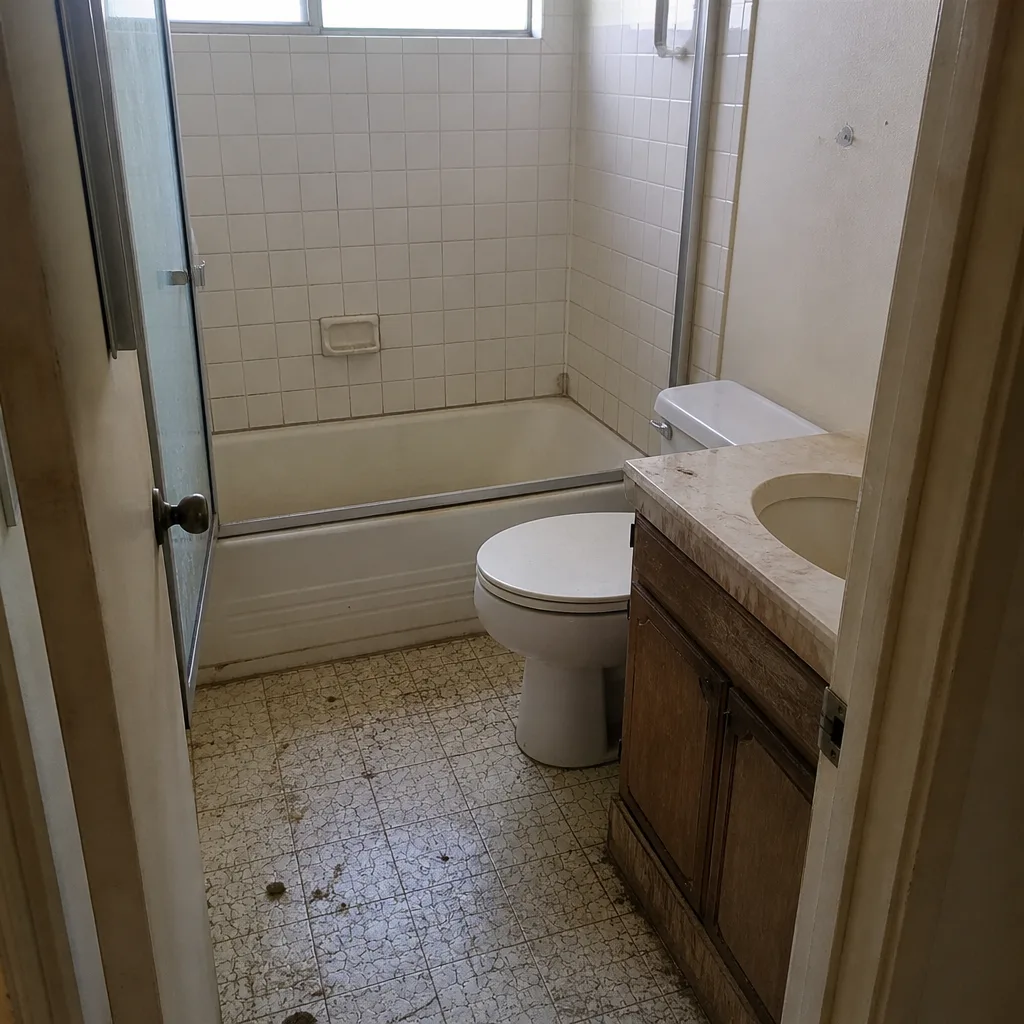 Before
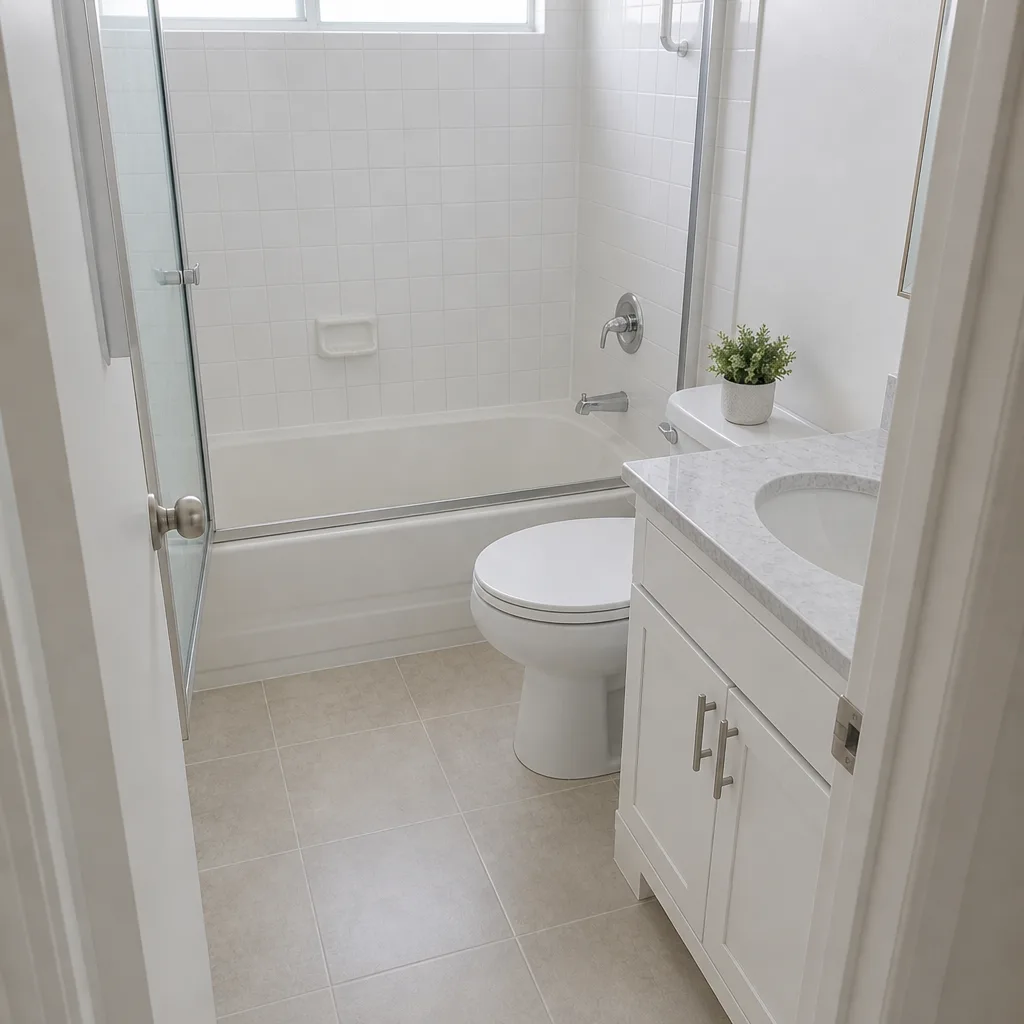 After
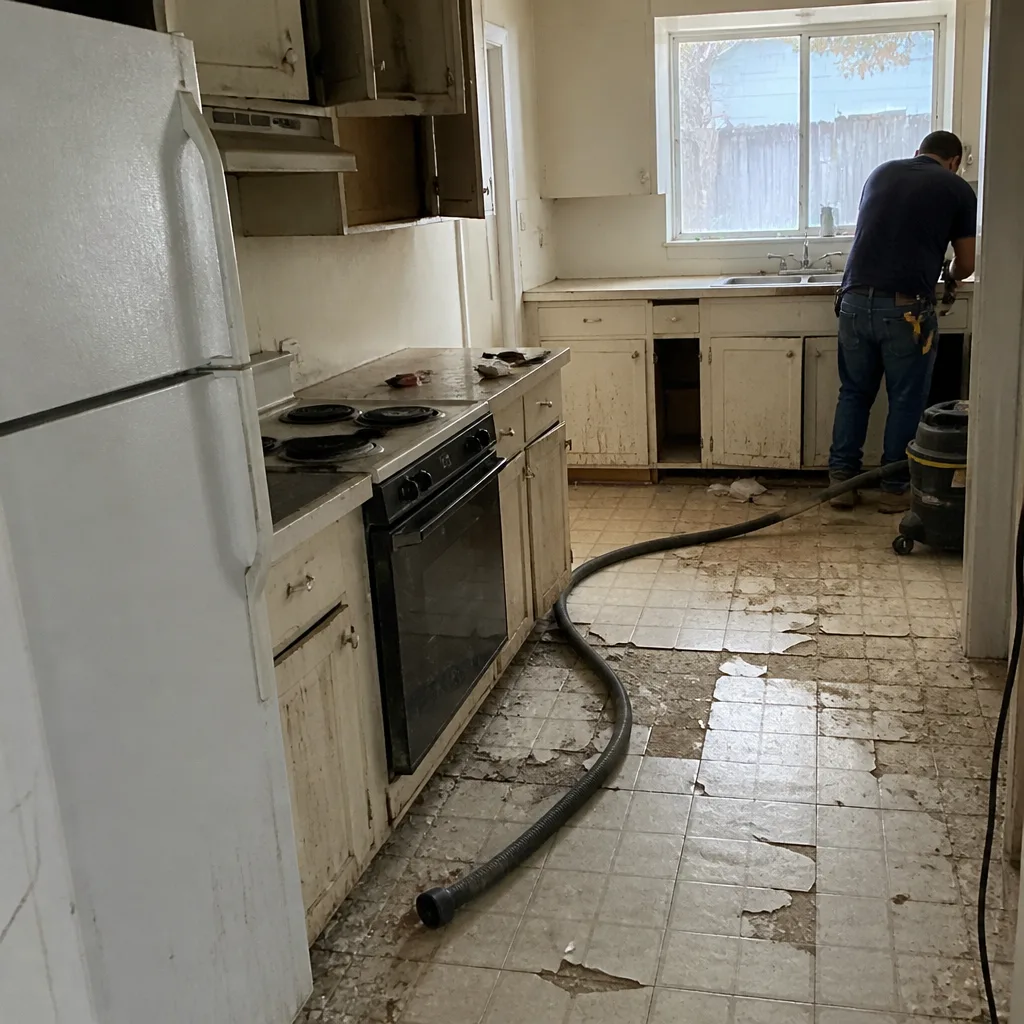 Before
 After
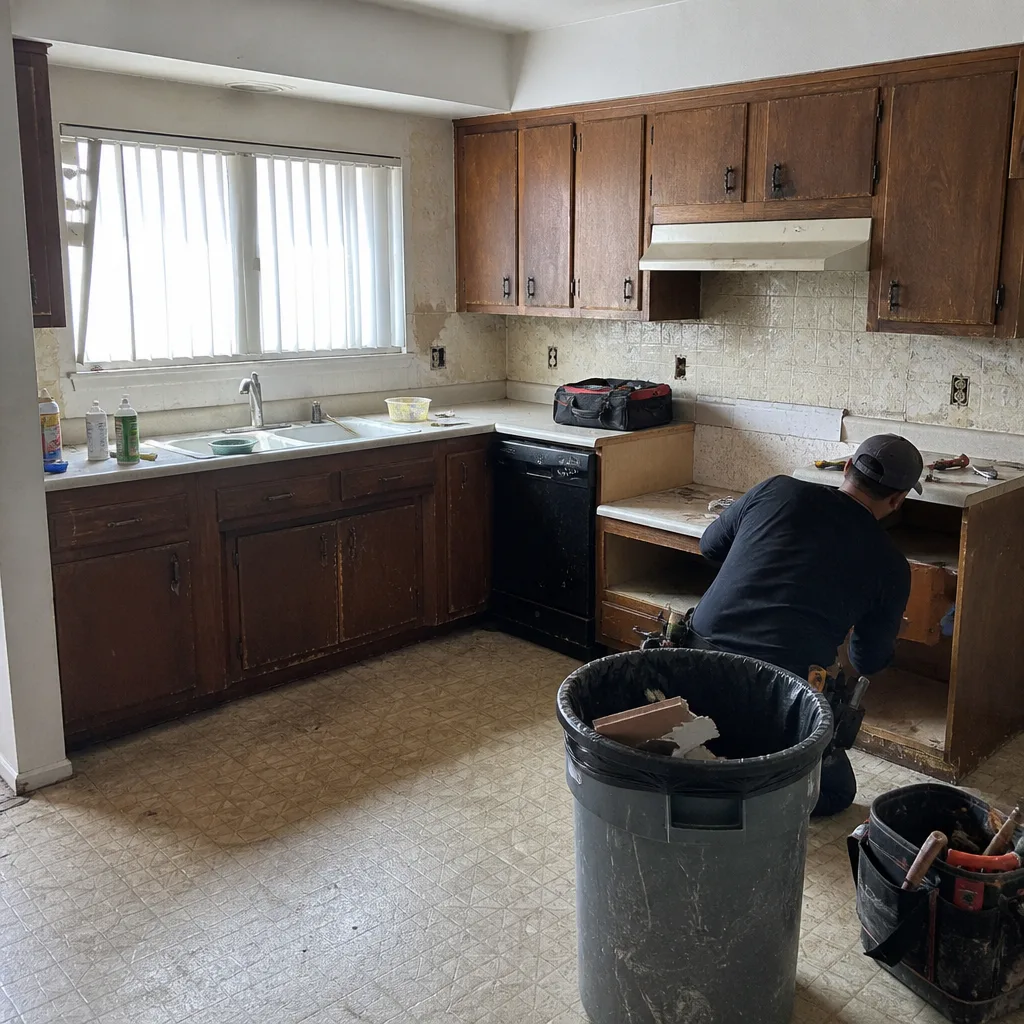 Before
 After