Last updated November 17, 2026
Free written scope consultation - allowances, timeline, and change-order rules on paper before a single trade is scheduled
Construction Cost Breakdown: The Tustin Homeowner’s Reference for 2026
Here’s the part of a construction quote nobody explains at the kitchen table: the gap between a $12,000 and a $22,000 paver driveway in Tustin is almost never the pavers themselves. It’s the base preparation – the depth of compacted aggregate required to keep that driveway from settling – which most bids either bury in an allowance line or omit entirely. The same pattern repeats on roofs, bathrooms, and ADUs. Vague per-square-foot ranges hide the real drivers of cost. This reference connects every dollar to a specific material grade, labor input, or site condition so your 2026 budget is built on something you can actually check.
Quick Answer
Construction costs in Tustin in 2026 run roughly 10-20% above Los Angeles County averages for comparable residential work, driven by Orange County labor rates, stricter soil and drainage requirements on hillside lots, and permit fees that most online calculators leave out. A paver driveway typically lands between $12,000 and $22,000, a full roof replacement between $18,000 and $35,000, a bathroom remodel between $25,000 and $60,000, and a detached ADU between $180,000 and $400,000 depending on whether you build prefab, modular, or stick-built. The written estimate always sets the final price.
Styles & brands we work with
- Kitchen remodeling
- Bathroom remodeling
- Home additions & ADU
- Roofing
- Windows & doors
- Driveway & pavers
- Fence
Table of Contents
- What Actually Drives Construction Cost in Tustin?
- Driveway and Paver Costs: Why Base Prep Moves the Number
- Roof Replacement Costs by Material Grade
- Bathroom Remodel Costs: Low, Mid, and High Tiers
- ADU and Home Addition Costs Across Three Build Paths
- Orange County Labor Rates in 2026 and Why Tustin Sits Above LA
- Permit Fees, Inspections, and the Line Items Calculators Miss
- Material Price Volatility and How to Contract Around It
- Where Contingency Money Actually Gets Used
- Common Mistakes to Avoid
- When to Call a Professional
- Frequently Asked Questions
What Actually Drives Construction Cost in Tustin?
Four inputs set the price on nearly every Tustin project: material grade, labor rate, site conditions, and permit requirements. Most published cost ranges only account for the first. That’s why two homeowners on the same street with identical square footage can end up $40,000 apart on a remodel bid and both numbers can be legitimate.
Site conditions are the quiet variable. Tustin has a split personality geologically – flatter parcels near the older downtown grid behave very differently from sloped lots up toward the foothills, where drainage, retaining, and soil compaction add real cost before a single finish material is selected. A soil report on a sloped lot can add $1,500 to $4,000 to a project’s soft costs, and it can also change the base depth spec for hardscape, which is where the big swing happens.
Material grade is the second driver, and it’s the one homeowners have the most control over. The same bathroom can be built with a $180 vanity or a $1,400 vanity, and neither is wrong – but the number you’re quoted should tell you which you’re getting. We work with named manufacturers like Kohler and Grohe on fixtures and Cambria, Silestone, and Caesarstone on countertops so the selection is a real option, not a catalog placeholder that swaps at order time.
Labor rate varies by trade and by season. Framing, concrete, roofing, and finish carpentry all price differently in Orange County than they do an hour north, and we’ll cover that in detail below. Permit cost is the fourth input and the one most online calculators skip entirely.
Driveway and Paver Costs: Why Base Prep Moves the Number
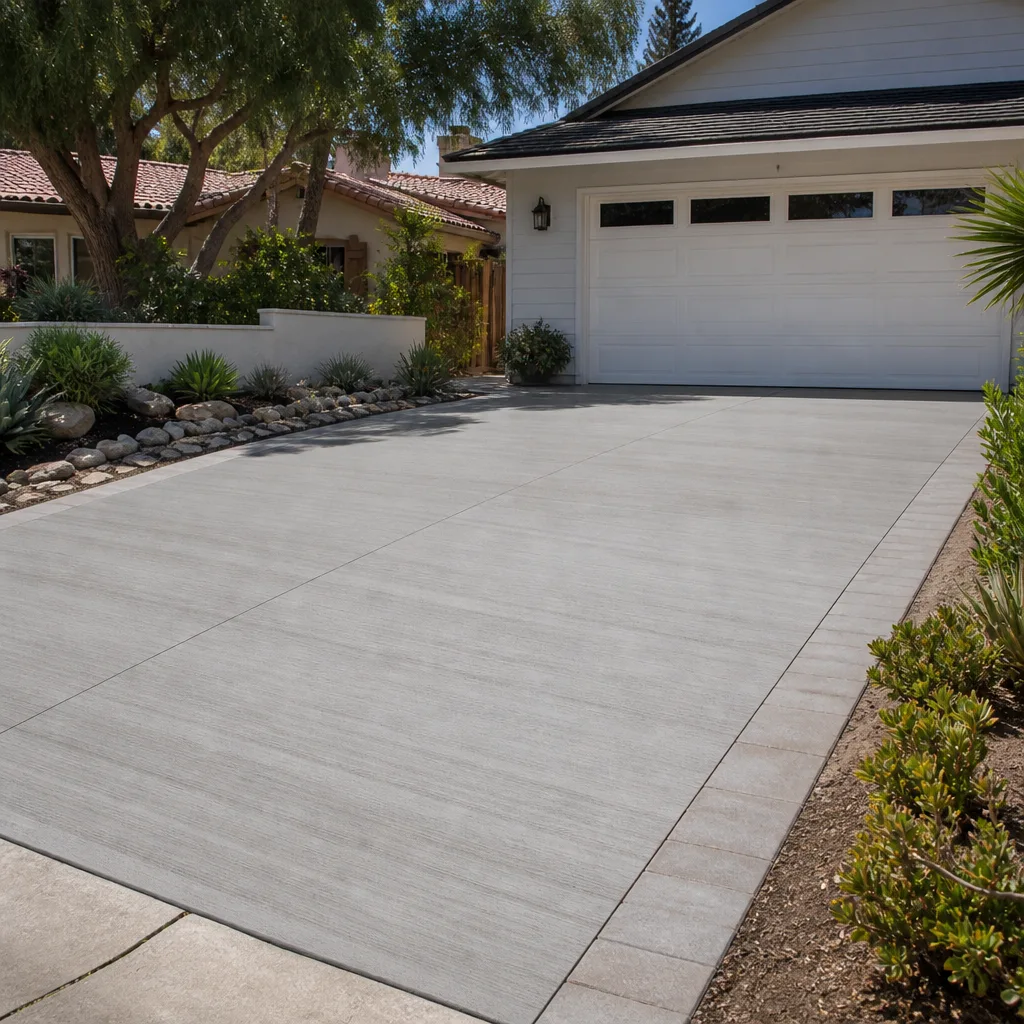
A paver driveway in Tustin typically runs $12,000 to $22,000 for a standard two-car width, and the pavers themselves are rarely the reason for the range. The base prep is where the price lives. Paver manufacturers like Belgard, Unilock, Techo-Bloc, Cambridge Pavers, and Tremron all publish installation specs that call for a compacted aggregate base of a certain depth – and if your soil report calls for more, or if the existing driveway has settled and needs to be excavated further, that cost lands before the first paver is set.
Here’s how the tiers break down:
- Low tier ($12,000-$15,000): Standard 60mm concrete pavers, single-stone color, minimal excavation, six-inch compacted base, no border or soldier course.
- Mid tier ($15,000-$18,500): 60mm or 80mm pavers with a two-tone blend, soldier course border, eight to ten-inch base, joint sand stabilizer, minor drainage corrections.
- High tier ($18,500-$22,000+): 80mm pavers for any vehicle-bearing surface, complex layout, accent bands, deeper base for sloped or poorly drained soil, permeable paver systems, drainage tie-in to existing hardscape.
The single best question to ask any paver bidder in Tustin: “How deep is the base, and what did you base that depth on?” If the answer is a fixed number with no reference to your soil conditions or drainage, that’s an allowance line in disguise. We work through driveway & pavers using manufacturer-backed pavers with published warranties, and we spec base depth to the actual site – not a default.
Roof Replacement Costs by Material Grade
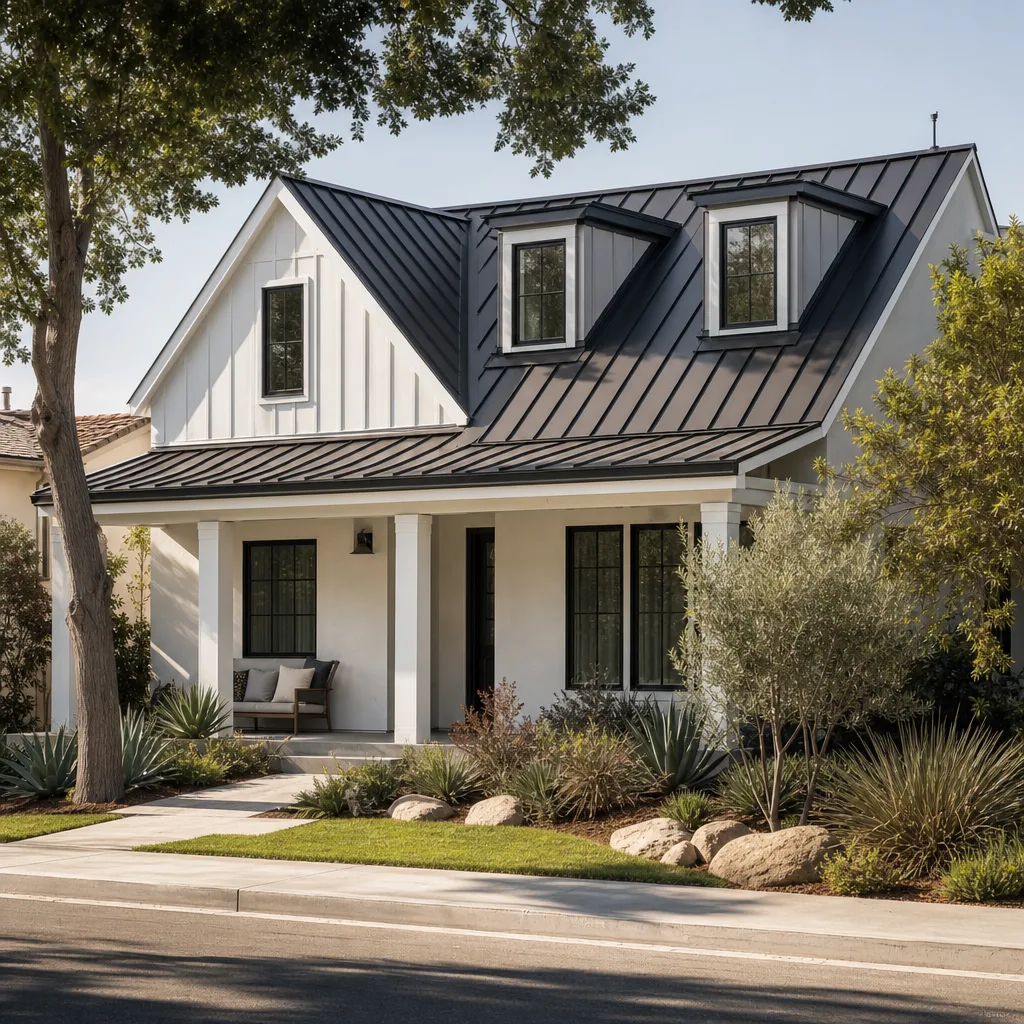
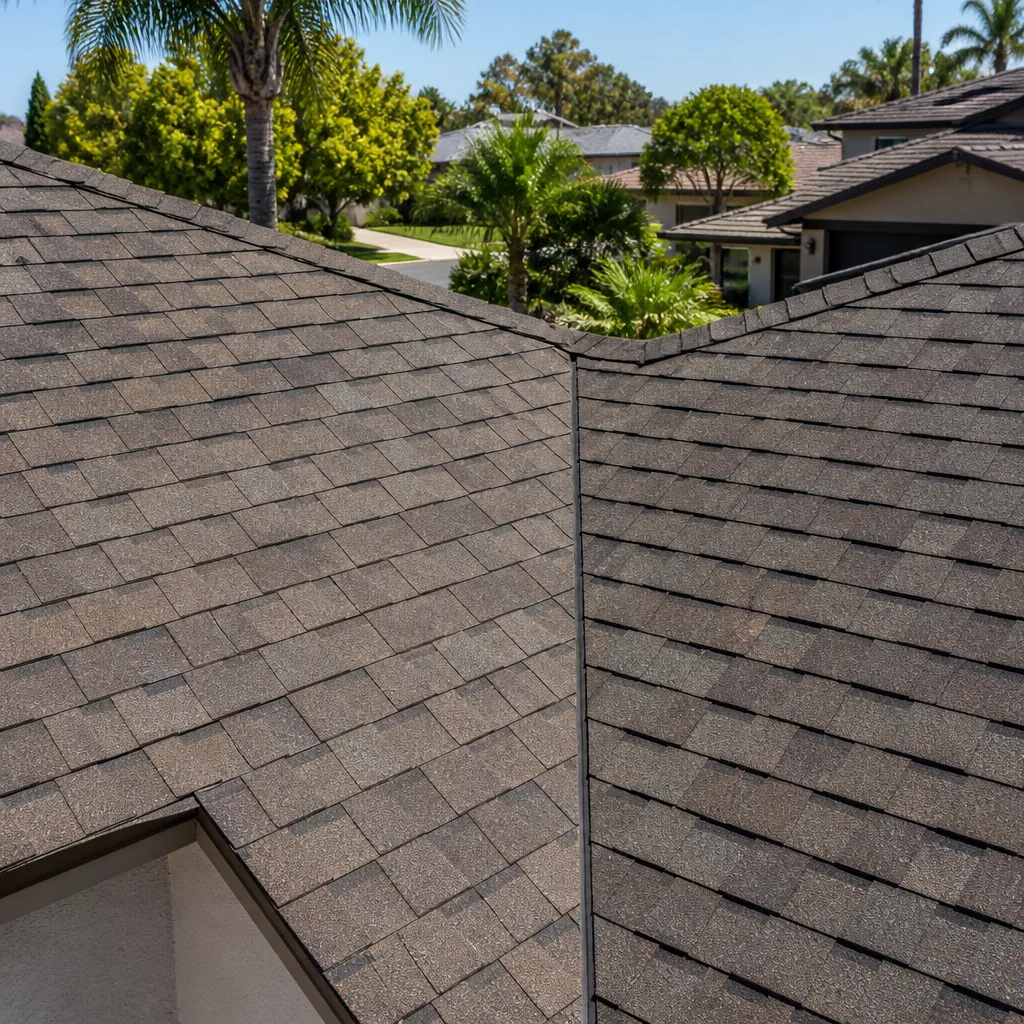
A full roof replacement in Tustin in 2026 typically costs $18,000 to $35,000 for a standard single-family home, depending on material grade, roof complexity, and whether the existing layers need to be torn off. Asphalt shingles from GAF, CertainTeed, Owens Corning, IKO, Atlas, or Tamko land in the lower and middle of that range. Tile and specialty systems sit higher.
What moves the number inside that range:
- Square footage and roof pitch. A steeper roof takes longer, requires more safety rigging, and uses more material per square.
- Number of layers. A tear-off of one existing layer is standard; two layers means more disposal, more labor, and more deck inspection.
- Deck condition. Soft or rotted sheathing found during tear-off has to be replaced before underlayment goes down. Expect a per-sheet line item, and expect it to be a real possibility on any roof over twenty years old.
- Underlayment and ventilation. A synthetic underlayment and a properly balanced intake/exhaust vent system add cost but extend shingle life.
- Flashing and penetration work. Chimneys, skylights, and valley details are where water intrusion actually starts, and shortcut flashing is the most common corner cut on a cheap roof.
Tustin’s mild winters mean we don’t deal with ice dams or snow load, but the long dry season followed by concentrated winter rain means the roof’s job is entirely about shedding water fast and keeping the deck dry. That’s why ventilation and flashing matter more than the shingle’s cosmetic rating. We source from six roofing manufacturers so you can compare a standard line against a premium line on real specifications, not marketing language.
Bathroom Remodel Costs: Low, Mid, and High Tiers
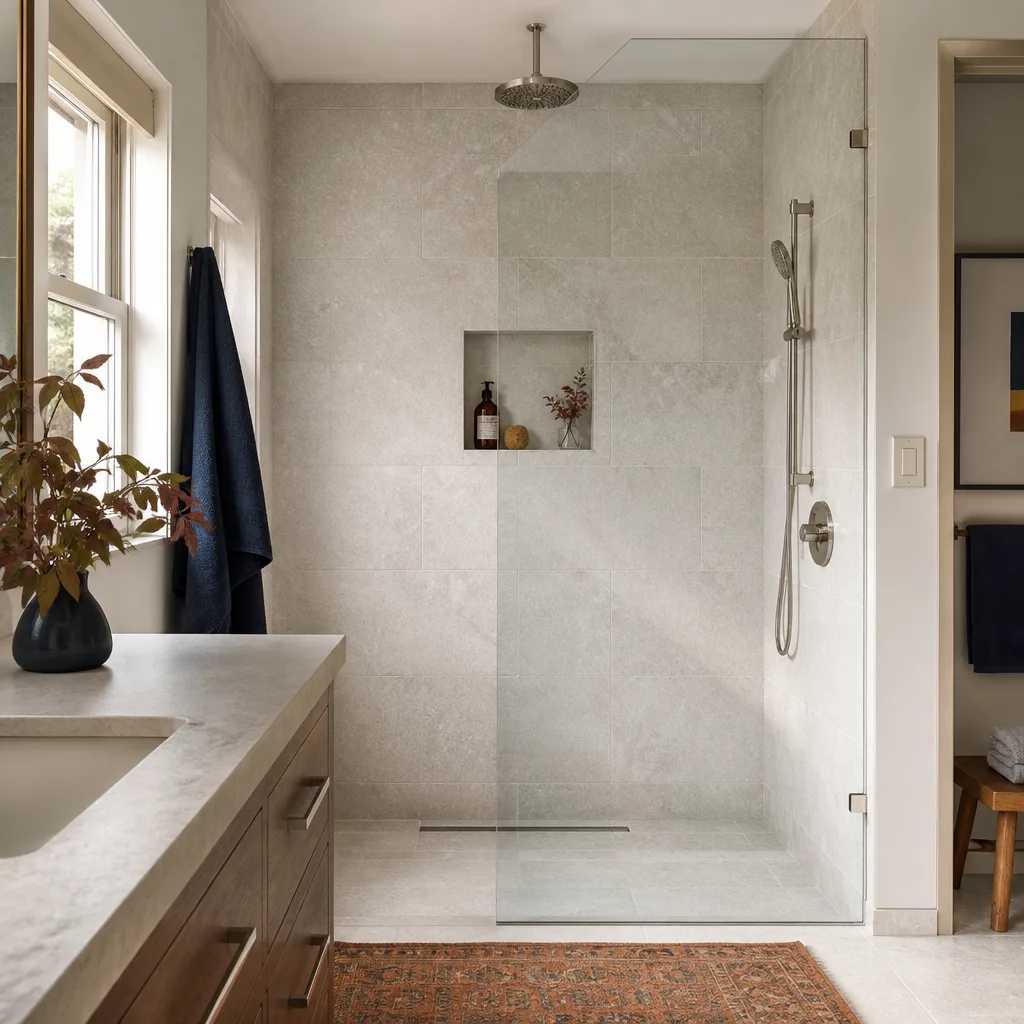
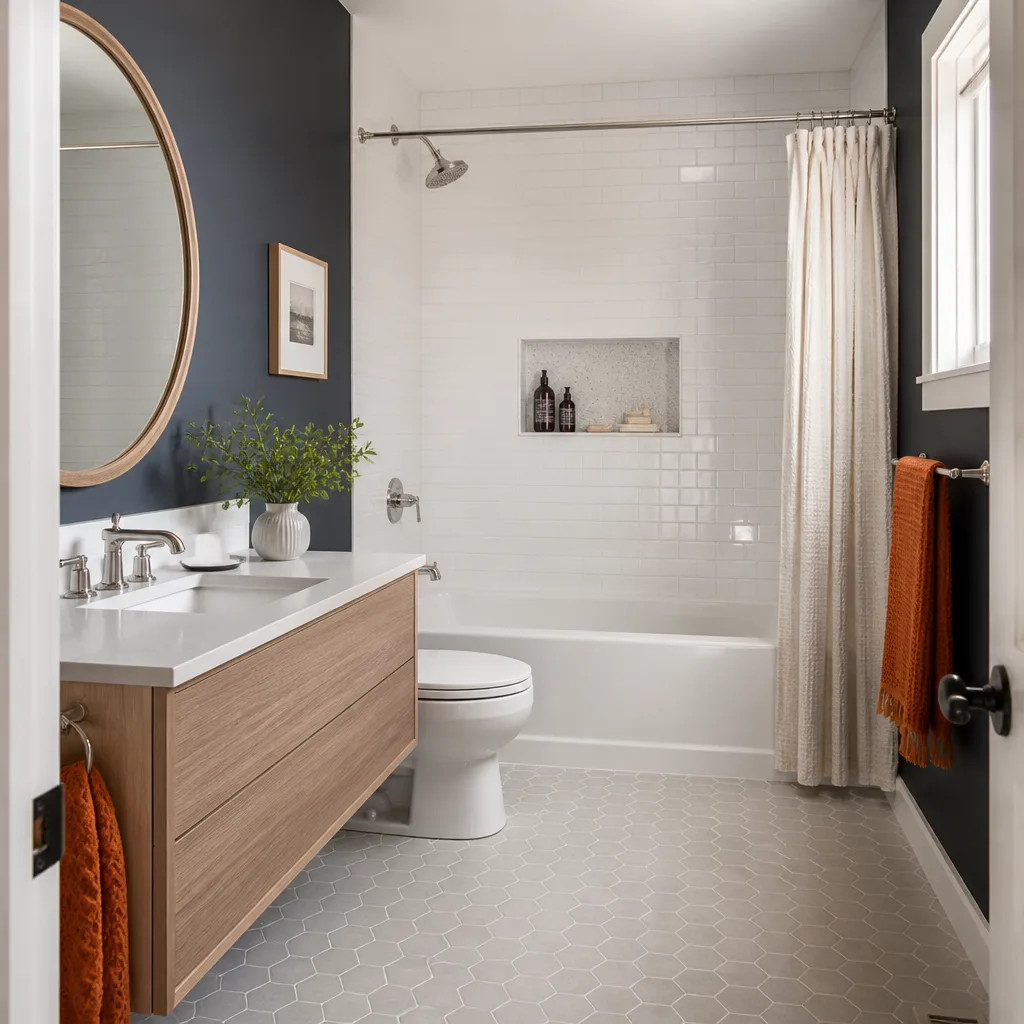
A full bathroom remodel in Tustin typically runs $25,000 to $60,000, with the low end reflecting a cosmetic refresh and the high end reflecting a full gut with layout changes. The tiers below are tied to material grade, not vague quality language:
- Low tier ($25,000-$32,000): Same footprint, stock cabinetry, porcelain tile, standard fixtures, acrylic or fiberglass shower pan, single vanity. Keeps plumbing and electrical rough-in in place.
- Mid tier ($32,000-$45,000): Semi-custom cabinetry from a line like KraftMaid or Wellborn, quartz countertops from Cambria, Silestone, or Caesarstone, tile shower with a tile pan, upgraded Kohler or Toto fixtures, new Grohe or equivalent valve trim.
- High tier ($45,000-$60,000+): Layout change requiring relocated plumbing, full custom cabinetry, large-format or natural stone tile, freestanding tub, heated floor, niche and bench details, upgraded shower glass and door hardware from a brand like Mr-Glass.
The single biggest cost jump in a bathroom is a layout change. Moving a toilet or shower drain means breaking concrete or opening a wall, rerouting supply and waste lines, and re-inspecting the rough-in. If the existing layout works, keeping it can save $6,000 to $12,000 without any visible compromise in the finished room.
We walk through material options line by line before a single fixture is ordered. A written line-item quote from bathroom remodeling separates the vanity from the tile from the glass, so you can adjust one line without renegotiating the whole project.
ADU and Home Addition Costs Across Three Build Paths
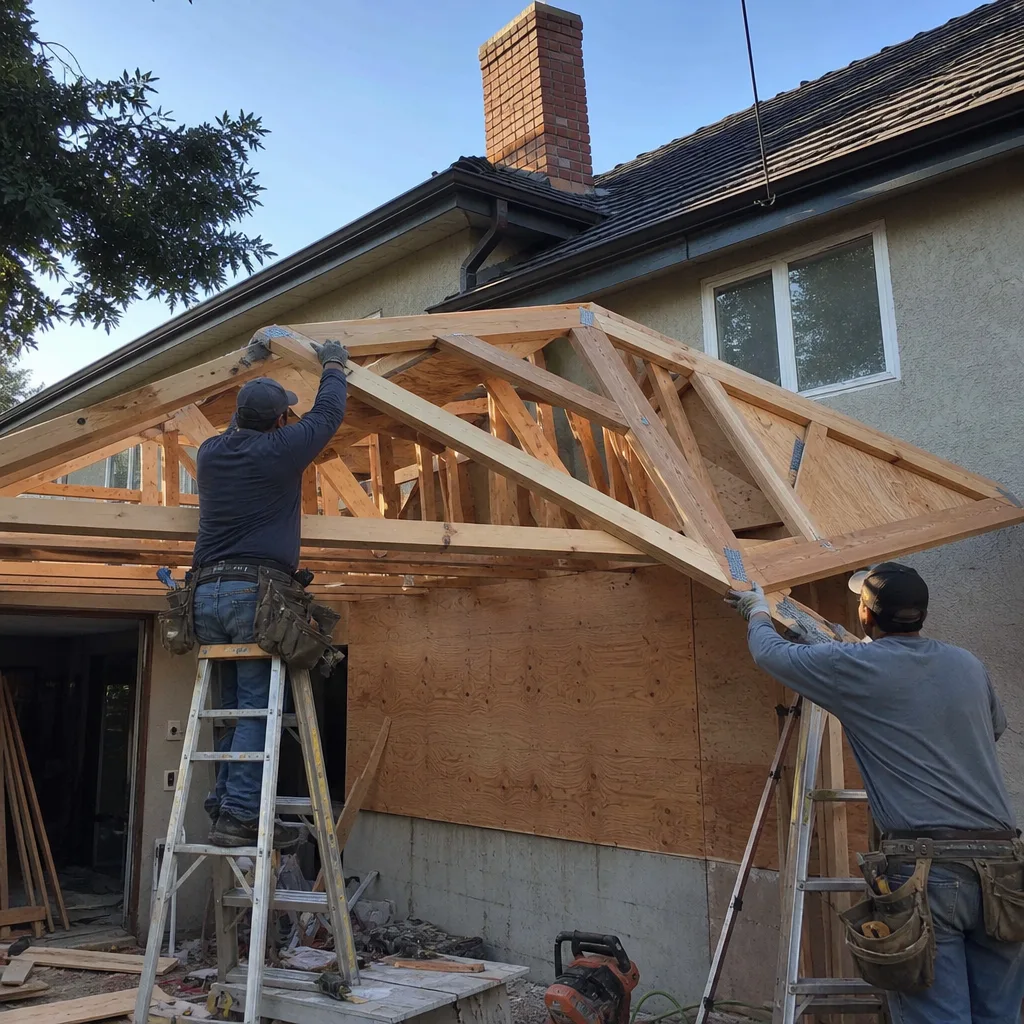
A detached ADU in Tustin in 2026 typically costs $180,000 to $400,000, and the range is wider than any other project category because there are three completely different build paths. Attached additions price differently again, usually by the square foot of new conditioned space plus the cost of tying into the existing structure.
- Prefab / modular ADU (roughly $180,000-$280,000). Factory-built units from brands like Abodu, Dvele, Mighty Buildings, Boxabl, or Plant Prefab arrive largely complete and get set on a prepared foundation. The trade-off: shorter on-site time, more predictable cost, but less design flexibility and real site work (foundation, utility trenching, crane access) still happens on your property.
- Panelized or hybrid build ($230,000-$320,000). A middle path using prefabricated wall panels or structural components assembled on-site. More design freedom than full prefab, more speed than traditional framing.
- Traditional stick-built ($280,000-$400,000+). Highest design flexibility, full custom detail, and the longest schedule. Best when the ADU needs to match the main house architecturally or the lot has unusual geometry.
Site work is the great equalizer across all three paths. Utility trenching from the main house to the ADU, foundation engineering on a sloped lot, and drainage all add real cost regardless of how the unit gets built. Two adjacent Tustin properties can run $50,000 apart on an ADU of identical square footage based on trench distance alone. We do all three paths through home additions & ADU and can walk you through which one fits your lot, your timeline, and your budget before you commit.
Orange County Labor Rates in 2026 and Why Tustin Sits Above LA
Tustin construction labor sits roughly 10-20% above Los Angeles County averages in 2026 for comparable residential work. The reason isn’t arbitrary: Orange County trade labor commands a premium because of demand density, distance from the larger labor pools to the north and east, and the concentration of higher-end residential work that pulls skilled crews toward finish-grade projects. A framing crew that can execute a clean, plumb, square ADU frame quickly is in demand across Irvine, Newport Beach, and Tustin alike.
How that shows up in a bid:
- Concrete and flatwork: Forming, placing, and finishing costs more per cubic yard in Orange County than in LA County because crew rates are higher and small-pour scheduling is tighter.
- Framing: Rough carpentry is priced by the square foot of floor area or by the linear foot of wall, and the OC rate premium is most visible here on larger projects.
- Roofing: Tear-off and install labor is priced per square (100 square feet), and steep-slope or multi-plane roofs command a premium in any market.
- Finish work: Tile setting, cabinetry install, trim carpentry, and finish plumbing/electrical are where the OC labor premium is largest because these trades are the most skill-sensitive.
What this means practically: don’t budget from a national average. A bathroom that a national calculator prices at $35,000 will often land at $40,000 to $45,000 in Tustin for the same scope. The written estimate is the only number worth planning around.
Permit Fees, Inspections, and the Line Items Calculators Miss
Permit fees and inspection costs in Tustin typically add 3-8% to a project’s hard cost, and they are almost universally omitted from online construction cost calculators. The permit fee itself is based on project valuation – the higher the declared value, the higher the fee – and the inspection schedule adds real time to the project calendar.
Which projects need a permit in Tustin:
- Any structural work – additions, ADUs, wall removals, new framing.
- Roof replacement when the sheathing or framing changes; re-roofing over existing material sometimes qualifies for an over-the-counter permit, but the rules are specific and worth confirming with the city’s building department.
- Bathroom and kitchen remodels when plumbing, electrical, or gas lines relocate. Cosmetic-only work often doesn’t require a permit – but confirm before you start, because the penalty for unpermitted work surfaces at resale.
- ADUs always require permits and multiple inspections: foundation, framing, rough plumbing/electrical/mechanical, insulation, and final.
Here’s a real cost item most calculators miss: the cost of the inspection calendar itself. A six-week delay waiting for a framing inspection has a real cost if you’re renting a temporary unit or living in a construction zone. Plan the permit timeline into your project schedule, not as an afterthought.
Ask any contractor one direct question before signing: “Will you pull the permits and pass the inspections?” If the answer is anything other than yes, walk away. We pull permits and pass inspections on every project that requires them, and the permit cost appears as a line item on your written estimate.
Material Price Volatility and How to Contract Around It
Material prices have moved more in the last four years than in the prior fifteen, and the products that swing the most are predictable: dimensional lumber, copper (which drives plumbing and electrical wire pricing), and roofing membrane. A contract that doesn’t address this puts all the price risk on you, and a contract that buries it in an allowance line hides the moment when a price increase hits.
Three contract structures you’ll see, ranked by how well they protect you:
- Fixed-price contract. The contractor takes the material price risk. Cleanest for the homeowner, and the reason to ask for one when a project is far enough out that material prices might move. A well-run contractor can offer this because they lock in supplier pricing when the contract is signed.
- Fixed labor, material at cost plus a capped markup. You take some material risk but the markup is capped, so a price spike can’t turn into an open-ended bill. The line item shows actual invoice cost.
- Allowance-based contract. Common for materials not yet selected, and the biggest source of budget surprise. If your countertop allowance is $2,500 and the slab you actually want is $4,800, that $2,300 gap is on you. Ask what happens if you blow through the allowance before signing, and get the answer in writing.
For anything scheduled more than 60 days out, ask specifically what happens if lumber or membrane pricing moves 10% between signing and material delivery. The answer tells you how the contractor’s business actually works.
For the timeline-sensitive buyer, we offer Construction Tustin projects on fixed-price terms where material selections are locked in early enough to hold the price.
Where Contingency Money Actually Gets Used
Contingency is not padding. On a well-planned Tustin project, 10-15% of the total budget is set aside for things that turn out to be different than the bid assumed. On a project built before 1980 or on a hillside lot, 15-20% is more realistic. Where that money actually gets spent, by project type:
- Bathroom projects: (1) Water damage around the shower pan or behind tile that’s only visible after demolition. (2) Relocated plumbing required by a discovered venting issue. (3) Subfloor repair under a floor that looked solid.
- Roof replacement: (1) Sheathing replacement on any roof over twenty years old. (2) Discovered flashing repairs at chimneys and skylights. (3) Soffit and fascia damage from long-term water exposure.
- Driveway and hardscape: (1) Actual base depth required by the soil report, which usually exceeds the bid’s assumed depth on sloped lots. (2) Drainage corrections needed to move water away from the house. (3) Unforeseen utility line locations that require hand-digging.
- ADU and additions: (1) Foundation engineering changes once the soil report or a grading plan is finalized. (2) Utility trenching distance longer than the initial site survey indicated. (3) Site work for structural reasons the existing structure didn’t reveal – rotted sill plates where the ADU ties in, for example.
The point of contingency isn’t to spend it – it’s so the project doesn’t stall on a decision when a real surprise appears. We’ll show you the contingency line on the estimate and walk you through where we expect it to hold and where it might move.
Common Mistakes to Avoid
- Budgeting from a per-square-foot number. Per-square-foot pricing hides material grade, base prep, and permit costs. Ask for a line-item estimate, not a total divided by square footage.
- Choosing the low bid without comparing line items. If three bids come in at $18,000, $26,000, and $34,000, the difference is almost always in what each bid excludes. Compare what’s not in each proposal before comparing totals.
- Skipping the soil report on a sloped Tustin lot. The $1,500 to $4,000 report often saves multiples of that in avoided rework on foundations and hardscape base depth.
- Treating allowance amounts as final. An allowance is a guess, not a price. Get the actual material selection pinned down before signing if the budget can’t absorb a surprise.
- Assuming the permit “isn’t needed.” Unpermitted work surfaces at resale and can be ordered removed by the city. Pull the permit before work starts, not after.
- Ignoring the inspection calendar. Inspections add weeks, not days, and a project scheduled to finish before a lease ends without slack for inspections is a project that finishes late.
- Paying the deposit before the scope is written. A deposit on a scope defined by a one-page quote is a deposit on an unknown project. Get a written line-item estimate with contingency, permit cost, and selection allowances spelled out first.
When to Call a Professional
Call a licensed professional whenever the work involves the structure, the envelope, or the systems of the house: any roof replacement, any ADU or addition, any project that relocates plumbing, gas, or electrical, any foundation work, and any removal of a wall that could be load-bearing. Those are not DIY categories, and the liability from a bad call in any of them far exceeds the labor you save. Call for a written estimate also when you have multiple bids in hand and need a line-by-line comparison to understand what each one is actually offering. And call when a project is more than 60 days from starting and material pricing risk matters to your budget.
Construction Tustin offers free estimates in Tustin – call (844) 415-6046. We answer 24/7. Fast dispatch from 7am to 7pm, Sunday through Friday. We’ll walk you through the material options and build a line-item estimate you can compare against anything else in hand.
Frequently Asked Questions
A full bathroom remodel in Tustin in 2026 typically runs $25,000 to $60,000 depending on whether it’s a cosmetic refresh or a full gut with a layout change. Cosmetic work on the same footprint with stock materials sits at the low end; custom cabinetry, natural stone, and relocated plumbing push toward the high end. Call (844) 415-6046 for an exact quote – estimates are free.
Orange County trade labor commands roughly a 10-20% premium over LA County rates because of demand density and the concentration of higher-end residential work, and Tustin projects pick up that premium on every trade – framing, concrete, roofing, and finish work all cost more. National and LA-based cost calculators will underestimate a Tustin bid by that margin. Call (844) 415-6046 for a Tustin-specific estimate – the quote is free.
The written estimate sets the final price, so a properly scoped project won’t change price mid-stream. What changes are the line items that depend on what a wall, a deck, or a subfloor actually reveals after demolition – those are covered by the contingency line item, not by a surprise change order. Ask specifically how changes are priced before you sign anything. Call (844) 415-6046 for an exact quote.
Yes, we pull permits and pass inspections on every project that requires them, and the permit cost appears as a line item on your written estimate. Permit fees in Tustin typically add 3-8% to project hard cost and inspection scheduling adds real time to the calendar, so both belong in the budget from day one. Call (844) 415-6046 for an exact quote.
A standard two-car paver driveway in Tustin typically takes three to six working days of on-site work, plus any time required for the soil report or permit. Base prep accounts for most of the schedule; the pavers go down fast once the base is compacted and verified. The estimate should give you a realistic schedule, not a promise. Call (844) 415-6046 for an exact quote.
A detached ADU in Tustin in 2026 typically costs $180,000 to $400,000, with prefab units at the low end and full stick-built custom at the high end. Utility trenching, foundation engineering, and site drainage add cost regardless of the build path, so the lot matters as much as the design. Call (844) 415-6046 for an exact quote.
The Bottom Line
Every number on this page connects back to one of four inputs: material grade, Orange County labor rate, site conditions, and permit cost. Per-square-foot ranges skip three of the four, which is why they so often miss. The contractor who can show you the base depth spec, the allowance line on the countertop, the permit fee, and the contingency line in writing is the contractor you can actually plan a 2026 budget around. Vague quotes are the enemy of a working budget. Line-item estimates are the fix.
Construction Tustin handles every phase of a home project – from fence installation to the roofline – under one contractor relationship. Call (844) 415-6046 for a free estimate. We answer 24/7. Fast dispatch from 7am to 7pm, Sunday through Friday.
Written by the team at Construction Tustin.
See the difference
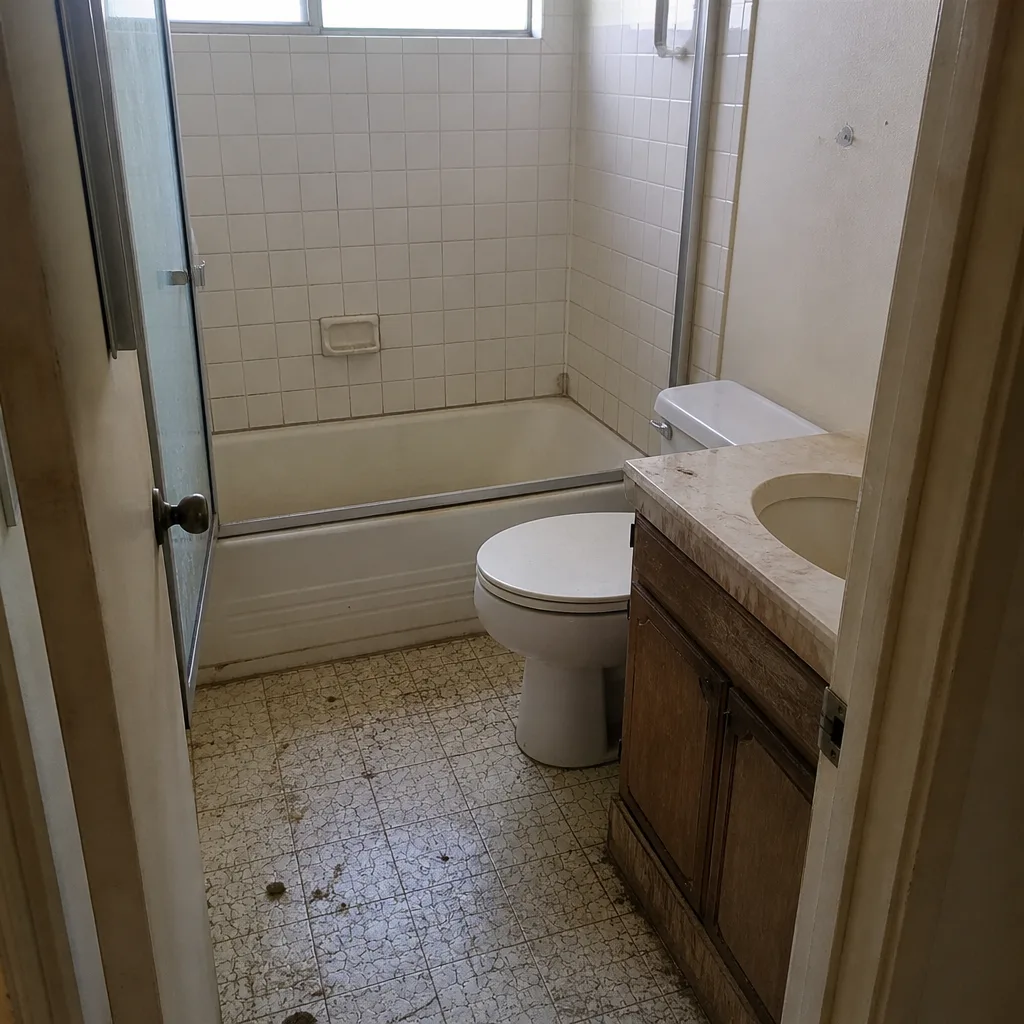 Before
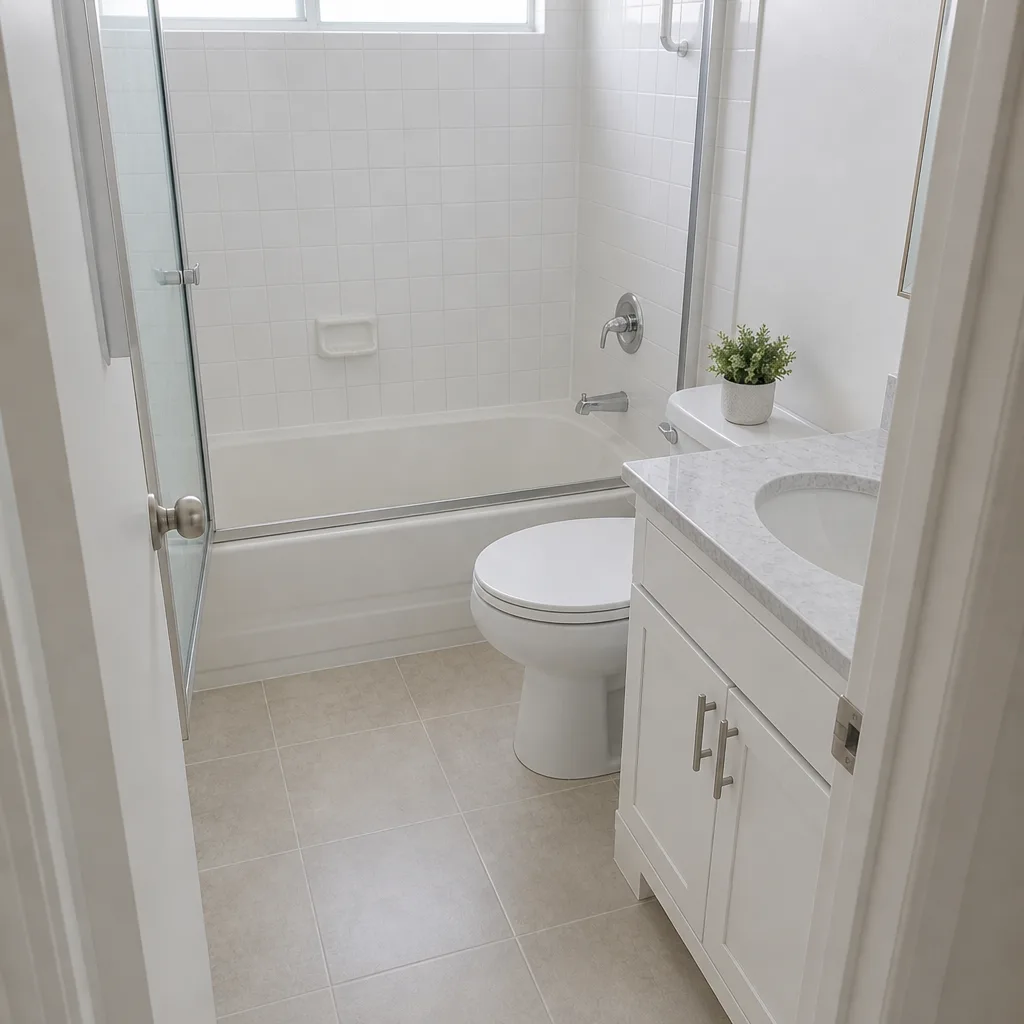 After
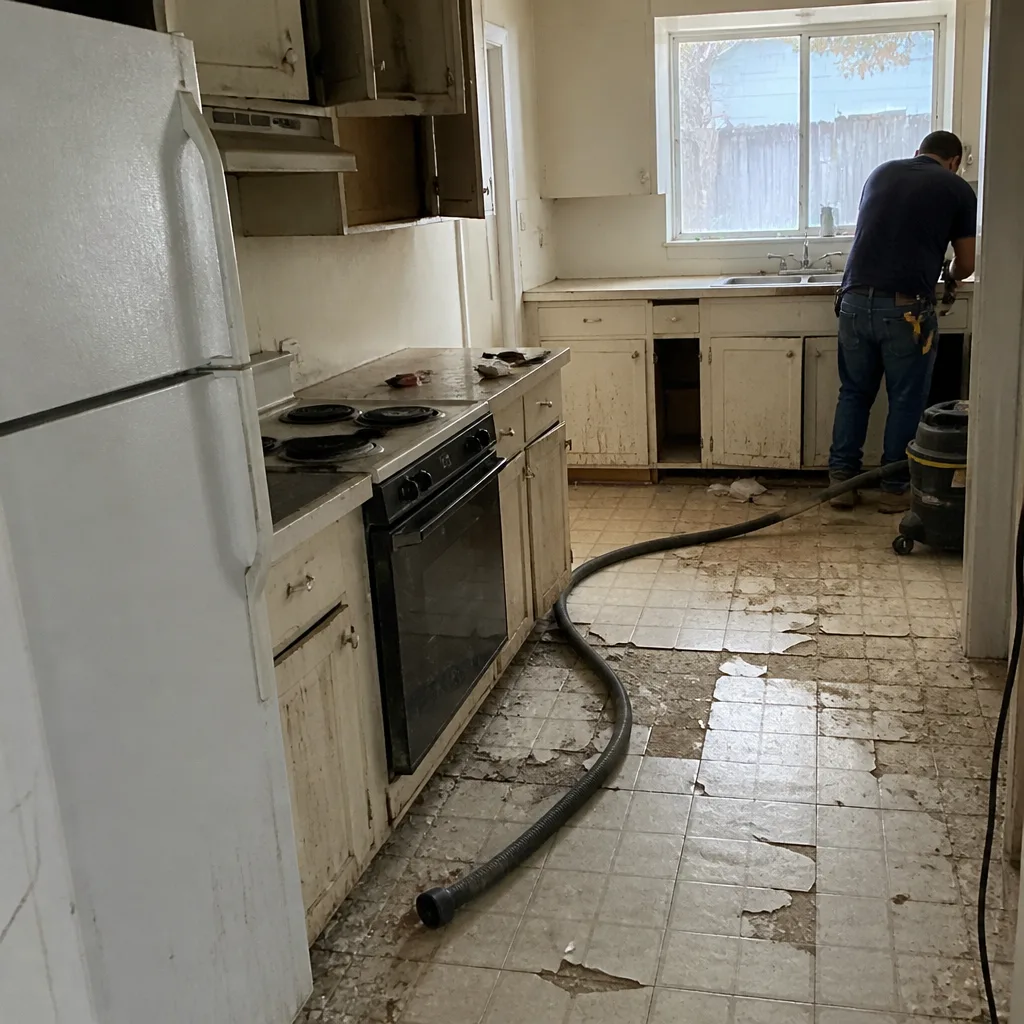 Before
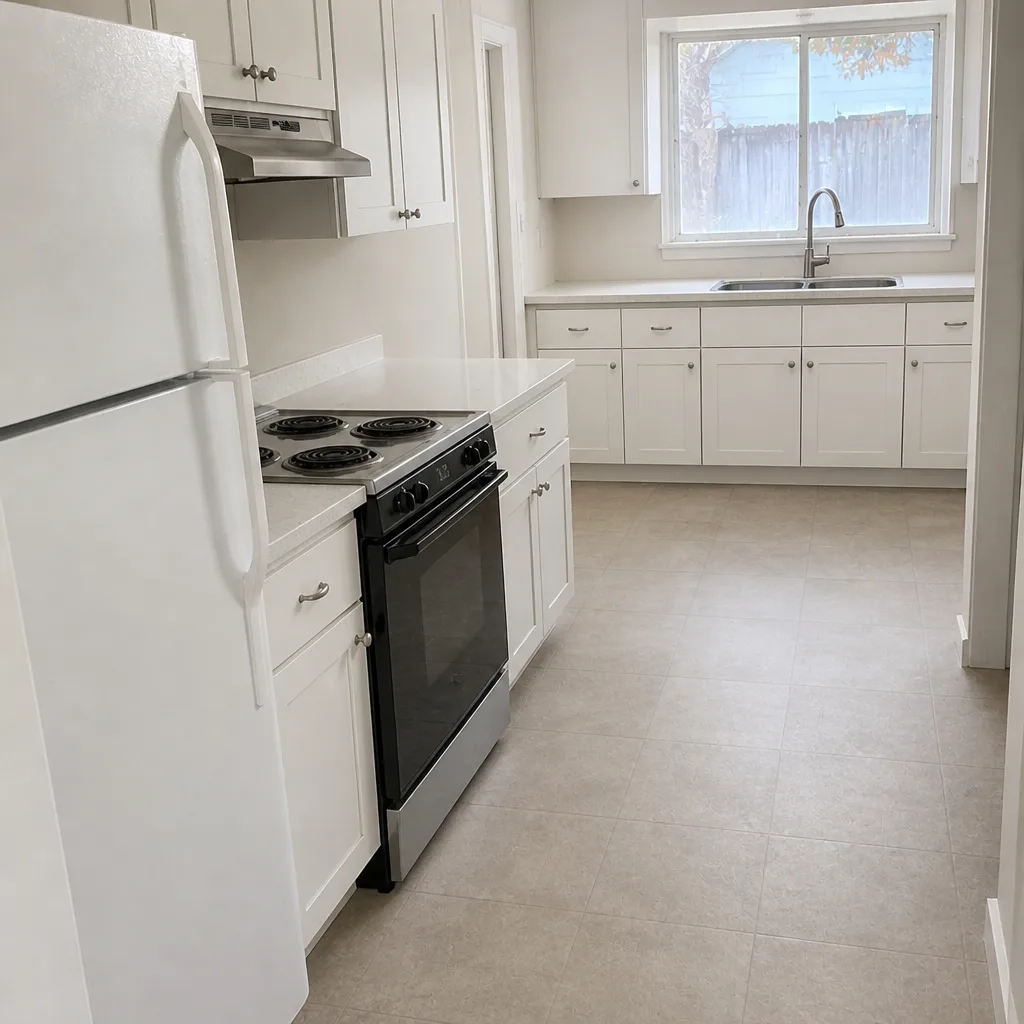 After
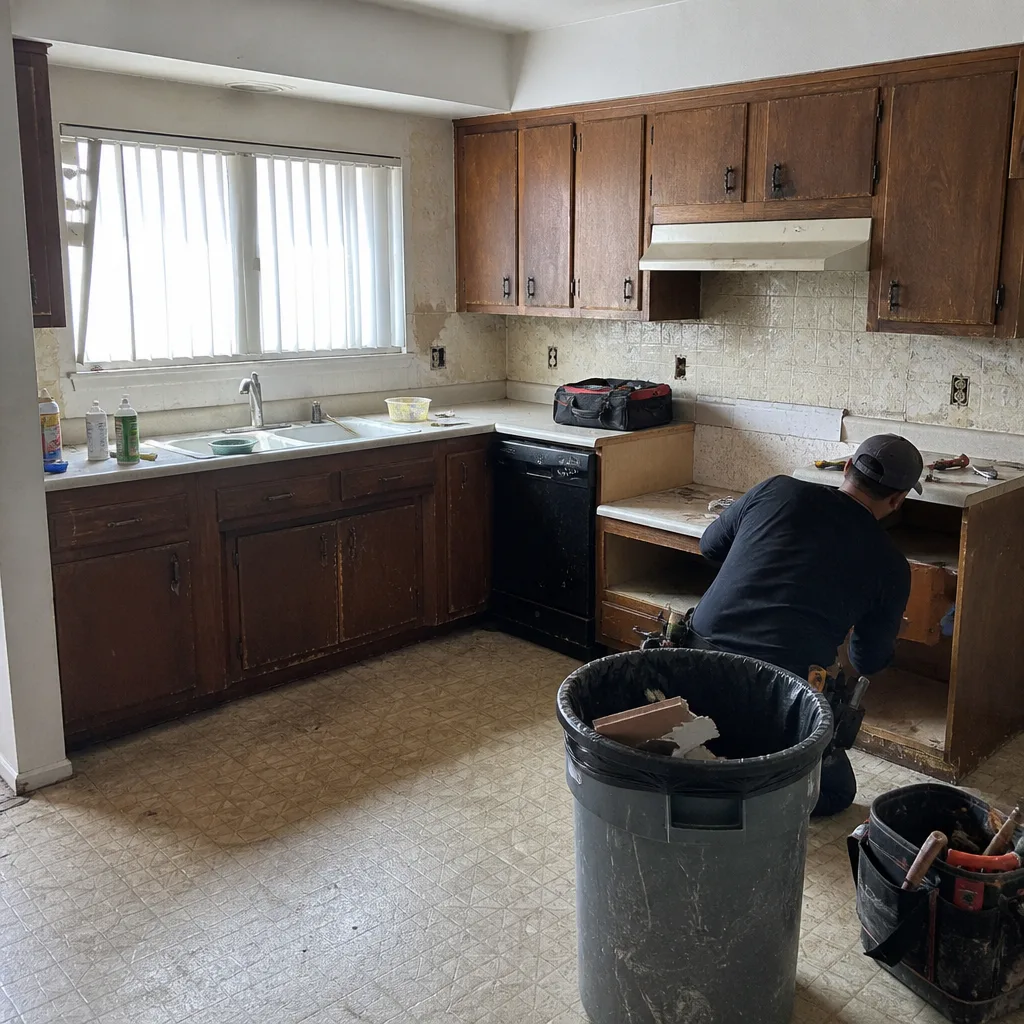 Before
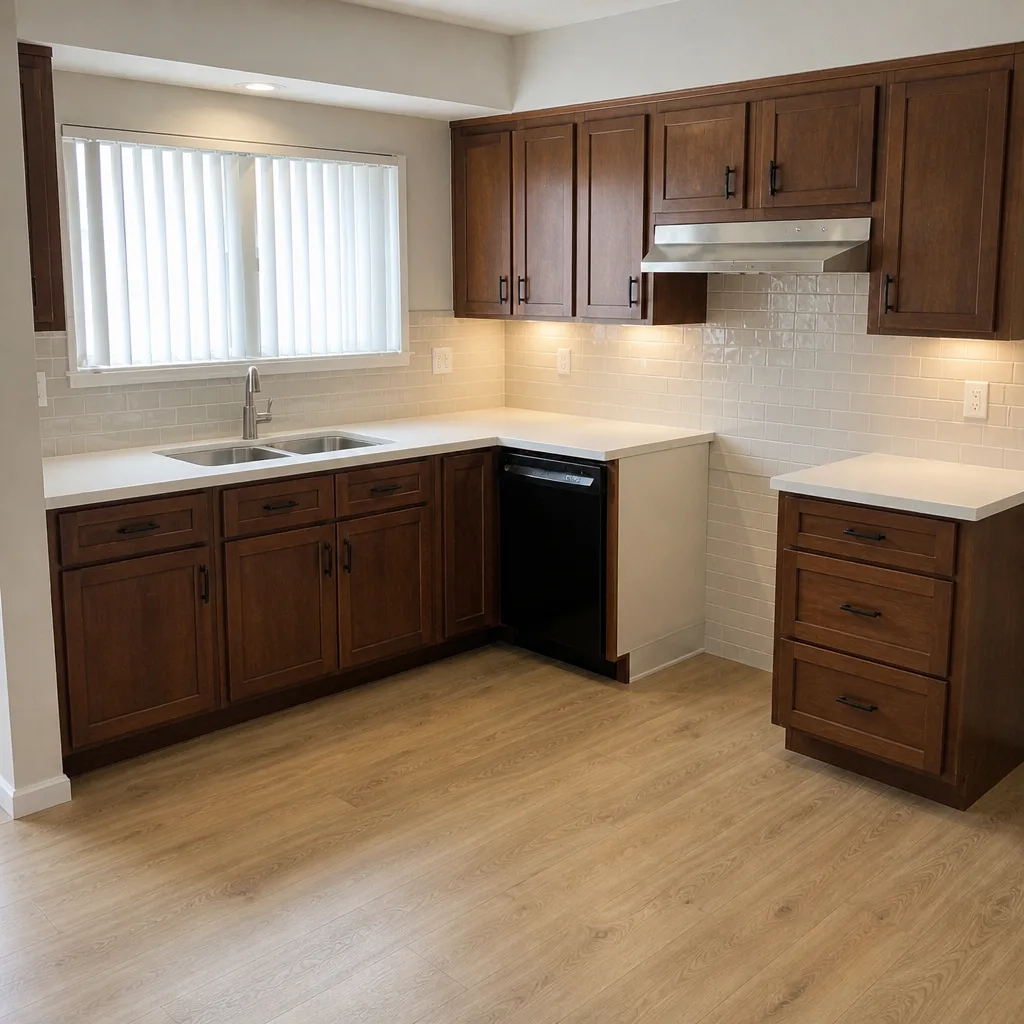 After