
Last updated November 17, 2026







Free written scope consultation - allowances, timeline, and change-order rules on paper before a single trade is scheduled
Construction Warning Signs: A Tustin Homeowner’s Reference Guide
Most warning sign guides hand you a catch-all list of cracks and stains and send you walking your property with no context. That’s the wrong way to read a house. The cracks, stains, and separations a Tustin home develops are not random; they follow the era it was built, the soil under it, and the construction methods that were standard when it went up. A diagonal crack running from a window corner toward the foundation on a 1970s Tustin home is not a cosmetic issue. It’s a soil movement indicator that gets worse every dry summer and needs a structural read, not a caulk gun. This guide is organized by what Tustin homes actually do, so you can walk your own property and recognize the pattern you’re looking at.
Quick Answer
The most serious construction warning signs in Tustin are diagonal cracks wider than a quarter inch that run from a window or door corner toward the foundation, water stains that reappear after rain, and rooflines that sag at the ridge. Cosmetic cracking in stucco is common here and usually hairline. Structural movement shows width, angle, and a pattern that follows the corners of openings. When you see that pattern, get a structural assessment before you repair the surface.
Styles & brands we work with
- Kitchen remodeling
- Bathroom remodeling
- Home additions & ADU
- Roofing
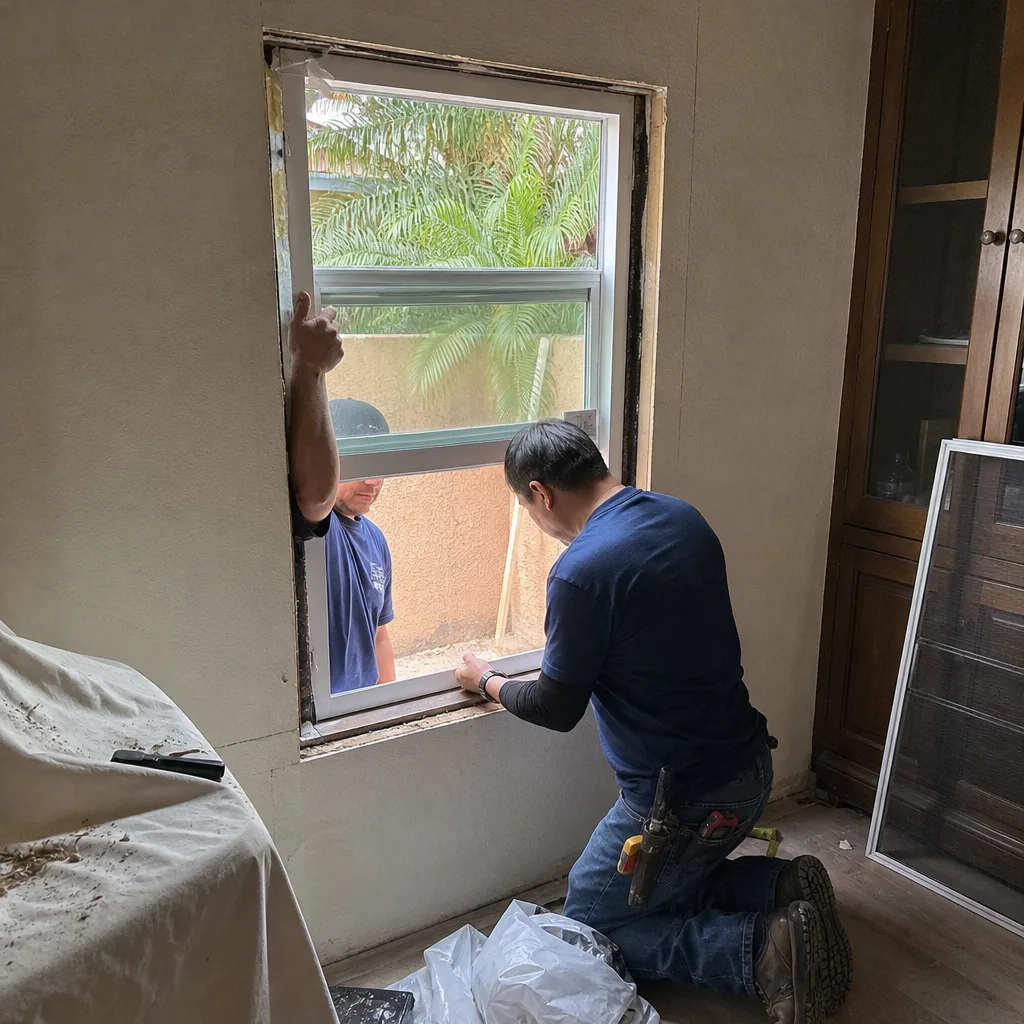
- Windows & doors
- Driveway & pavers
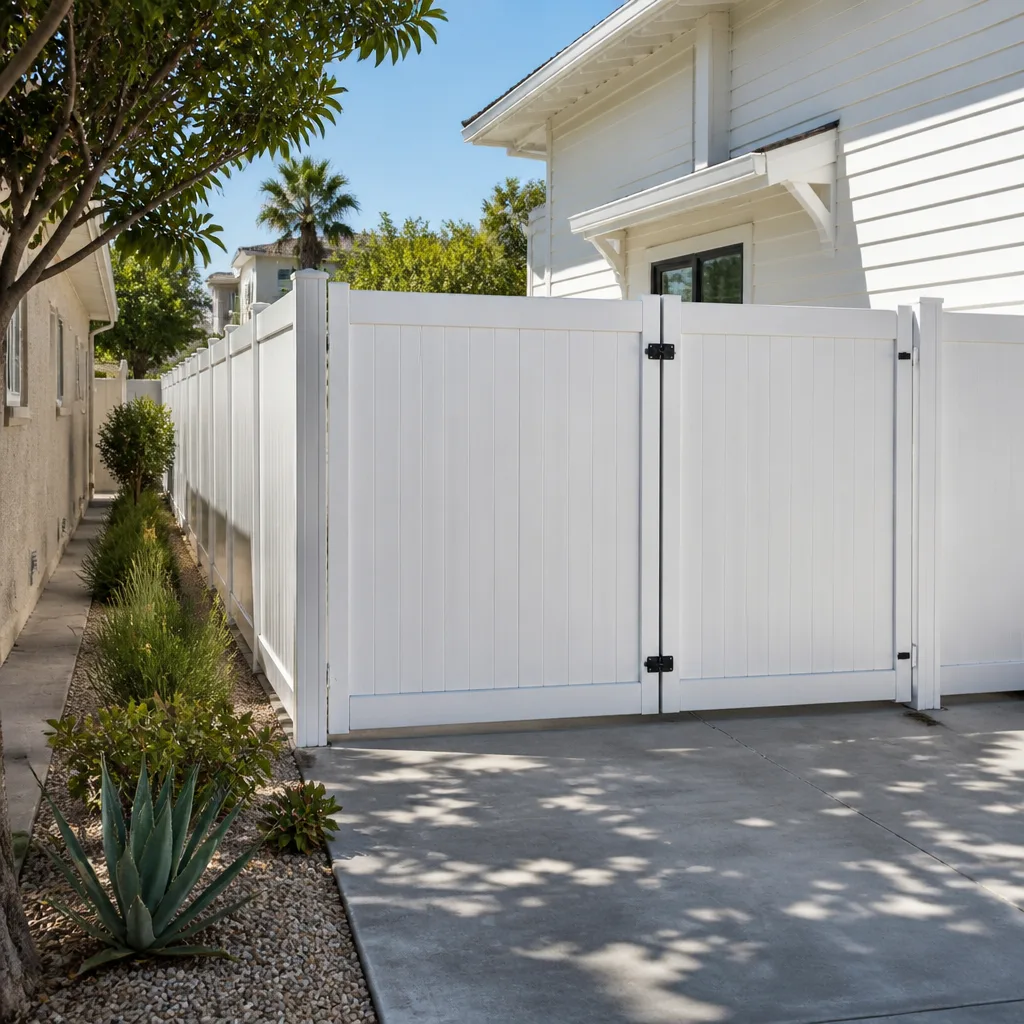
- Fence
Table of Contents
- What Your Home’s Era Tells You About Failure Patterns
- Reading Stucco Cracks: Cosmetic vs. Structural
- Driveway and Flatwork Warning Signs: Sub-Base vs. Surface
- Roof Warning Signs You Can See From the Ground
- Water Stain Mapping: Reading the Stain to Find the Source
- Fence and Exterior Envelope Warning Signs
- Interior Warning Signs in Kitchens and Bathrooms
- Common Mistakes to Avoid
- When to Call a Professional
What Your Home’s Era Tells You About Failure Patterns
Tustin didn’t build out in one sweep. The older tract neighborhoods went up in the 1960s and 1970s, the stucco subdivisions followed through the 1980s, and Tustin Legacy and the newer infill came in the 2000s. Each era used different materials, different framing practices, and different site prep, and each one shows stress in a predictable order. Knowing your era narrows what you should look at first.
1960s and 1970s Tract Homes
Homes from this period were built fast and often on shallow foundations over native soil. The first things to show stress are the window and door corners, the slab edges, and the garage-to-house joint. Slab cracks at the corners of the garage floor are common and often benign, but a slab-to-wall separation that grows seasonally is worth a closer look. Plumbing under these homes is also reaching or past its service life, and slow leaks below the slab show up as hot spots on the floor or unexplained water bills long before they surface.
1980s Stucco Builds
Three-coat stucco over wood frame was the standard, and it’s a strong exterior when it’s maintained. The problem is that water that gets behind it can’t get out. Look at the lower third of the walls, under windows, and where the stucco meets the roof or a chimney. Soft spots, bubbling paint, or a hollow sound when you tap tell you moisture is trapped behind the finish. Stucco cracking on these homes is common at stress points and usually reads as cosmetic unless it’s wide and diagonal.
2000s Tustin Legacy and Newer Infill
Newer construction is not immune. Tighter envelopes trap moisture differently, and synthetic stucco systems, windows set flush with the finish, and fast-framed roofs all fail in specific ways. Settling in the first decade is normal; the first place you’ll see it is at the corners of large openings and along long walls where the foundation meets stucco. Look for stair-step patterns and for trim that separates from the wall.
- 1960s-1970s: slab edge cracking, corner cracks, under-slab plumbing, original roof decking
- 1980s stucco: moisture trapped behind the finish, hairline cracking at stress points, window flashing
- 2000s Tustin Legacy: settling at large openings, tighter-envelope moisture, flashing at flush-set windows
If your property includes an older detached structure or you’re considering adding one, the same era logic applies to the new work you plan. Our team handles home additions & ADU projects across these eras and reads the existing structure before we scope anything new, so the addition doesn’t inherit the problem the main house already has.
Reading Stucco Cracks: Cosmetic vs. Structural
Not every crack you find on a Tustin home means the same thing. Stucco moves with temperature and moisture, and hairline cracking is part of how the material behaves. The way to tell cosmetic from structural is to read three things at once: width, angle, and location pattern. One of them alone can mislead you.
Width
Hairline cracks, roughly the thickness of a credit card or less, are usually finish movement and are cosmetic. A crack you can slide a coin into, or one that is clearly wider than the thickness of a nickel, is in structural territory. Width that changes with the season is a stronger signal than width alone. If a crack opens in the dry months and closes after rain, the foundation is moving.
Angle
Vertical cracks are usually benign movement or a control joint doing its job. Diagonal cracks, especially those running at roughly 45 degrees from the corner of a window or door toward the foundation, follow the stress path of a settling or heaving foundation. Horizontal cracks in a foundation wall or stem wall are the most concerning of all and warrant an inspection immediately.
Location Pattern
Where the crack sits tells you as much as the crack itself. Cracks that repeat at every window corner on the same side of the house, cracks that continue from one story to another, and cracks that run from a corner toward the slab all point to foundation movement rather than finish failure. A single crack at one corner, with nothing matching it elsewhere, is more likely to be cosmetic.
- Measure the width with a crack gauge or a coin. Under a nickel’s thickness is likely cosmetic.
- Check the angle. Diagonal from a corner reads as structural; vertical and horizontal read differently.
- Walk the whole wall and note whether the crack pattern repeats on other openings.
- Mark the crack with a pencil at both ends and check it again after a dry stretch and after rain.
- Call for a structural assessment if width, angle, and pattern all point the same direction.
Driveway and Flatwork Warning Signs: Sub-Base vs. Surface
Driveway and patio problems in Tustin split into two categories, and telling them apart decides whether you patch or replace. Surface wear is cosmetic: worn sealer, color fade, small chips, and hairline shrinkage cracks are all top-layer issues. Sub-base failure is structural, and no coating fixes it.
Surface Wear
If the slab is still flat, tight, and level, and the only issue is appearance, resurfacing or resealing is worth considering. Thin surface cracks that don’t spread, minor spalling at the edges, and faded color are all surface tell-tales. Pavers with loose sand in the joints or a dull finish are also surface issues, not structural ones.
Sub-Base Failure
The sub-base has failed when the slab moves. Look for sunken areas, tipping or rocking pavers, wide cracks that continue through the slab, and heaving at joints. Water is usually the cause. Poor drainage sends runoff under the slab, the soil washes out or expands, and the concrete loses its support. In Tustin, the summer dry season and the winter rain we do get both stress the ground, and a driveway with no positive drainage away from the house will show it at the low corner.
- Patch: flat and level slab, hairline cracks, color fade, minor chips
- Replace: sunken sections, wide through-slabs, rocking pavers, water pooling at the house
- Investigate first: a crack that reappears after repair, or movement near a downspout
If you’re weighing a repair against a full replacement, our team walks this scope often as part of driveway & pavers work, and we’ll tell you when patching is sensible and when a replacement is the better investment. Done right, a new driveway or patio should also fix the drainage that killed the old one.
Roof Warning Signs You Can See From the Ground
You don’t need to get on the roof to read it. A pair of binoculars and a slow walk around the house in good light will surface most of the serious warning signs. The roof is the highest-cost system on the property and the one most likely to cause interior damage when it fails, so it’s worth the ten minutes.
Granule Loss Patterns
Asphalt shingles shed granules through their life, and that’s normal. The pattern is what matters. Granules collecting in gutters and at the base of downspouts means the shingles are aging faster than usual on the slope that drains there. Uneven granule loss, where one slope sheds and another looks intact, can point to a ventilation problem on that side or a manufacturing issue. Shingles that look bald or have a mottled, sandpaper-like surface are near end of life.
Flashing Lift and Seal Failure
Flashing is the metal at roof edges, valleys, and penetrations, and it’s where most roof leaks actually start. Look for flashing that has lifted away from the shingles, gaps at the chimney or skylight, and sealant that looks cracked or peeled. Lift at the base of a wall or along a valley is a leak waiting for the next rain.
Ridge Line Deflection
Stand at the street and sight along the ridge from one end to the other. A ridge that sags in the middle, dips at one end, or waves suggests a framing or decking problem, not just worn shingles. This is a higher-priority sign than any cosmetic surface issue and should be assessed before you consider re-roofing over it.
- Sight the ridge line from both ends and the street, looking for sag or wave.
- Scan each slope for bald shingles, mottled texture, and lifted or missing tabs.
- Inspect the flashing at the chimney, valleys, and roof-to-wall intersections.
- Check the gutters for granule buildup and the downspouts for blockage.
- Look for daylight through the roof deck from inside the attic on a bright day.
Roofing is also a place where material choice matters. Our team works with GAF, CertainTeed, and Owens Corning on roof replacements so you get a manufacturer-backed product, not a substitution, and you know what you’re buying before a single shingle goes on.
Water Stain Mapping: Reading the Stain to Find the Source
A water stain is a diagnostic tool, not just a symptom. The shape, color, and pattern of the stain tells you where the water is entering, which is often not the spot directly above it. Water follows framing, travels along pipes, and pools at the low point, so the ceiling stain can sit five feet from the actual leak.
Reading the Shape
A brown, ring-shaped stain with a darker edge is the classic dry-then-wet pattern from a roof or plumbing leak that dries between events. A stain that spreads horizontally along a ceiling joint or a wall seam suggests water following a framing member or a pipe. A tight, concentrated stain with a drip mark below it is a small active leak. A stain with a bulging or sagging ceiling under it is an urgent issue.
Reading the Color
Yellow or pale brown usually means water has been moving slowly and drying between events. Dark brown or black edges mean repeat wetting. White or chalky residue is efflorescence, mineral deposits left behind when water evaporates, and it points to moisture wicking through masonry or concrete. Any stain that grows during or after rain is roof or envelope related. Any stain that grows during dry weather is more likely a plumbing leak inside the wall or ceiling.
Mapping the Source
- Outline the stain in pencil and date it so you can track growth.
- Check after a heavy rain and again in dry weather; growth tells you the category.
- Trace the stain up to the nearest ceiling or wall junction, then outward to a penetration.
- Look in the attic directly above for wet decking or framing along the path.
- Map any stain within a few feet of a bathroom, kitchen, or laundry wall to that fixture’s supply lines.
Stains that return in the same spot after every rain almost always come from a roof or flashing issue, not from a pipe. Our team assesses roof and envelope issues as part of our roofing work and will tell you whether the source is above the roof line or inside a wall.
Fence and Exterior Envelope Warning Signs
The fence and the exterior envelope are the parts of the property most homeowners stop noticing because they see them every day. They’re also where some of the earliest movement signs appear, because fencing moves sooner than a foundation and reveals what the ground is doing.
Fence Warning Signs
A fence post that leans is telling you the soil around it has shifted, usually after a wet winter or a dry summer. Pickets that have pulled away from their rails, or rails that have pulled out of the post, mean the fasteners have lost their grip and the fence is past surface-level tightening. Posts that wiggle when you push them have lost their footing. Wood that’s checked, split, or soft at the bottom is past repair even if the top looks fine.
- Leaning posts that don’t correct after the ground dries out
- Rails pulling out of posts or pickets separating along the length
- Soft or crumbling wood at the bottom third of a post
- Rust streaks on metal fencing, which point to coating failure
- Gate sag that gets worse each month
Exterior Envelope Warning Signs
Walk the outside walls and look for paint or stucco that’s bubbling, chipping in patterns, or peeling from the bottom up. Those point to moisture behind the finish. Check the trim, the soffit, and the fascia for soft wood or paint failure. Look closely at the joints around windows and doors; caulk that has cracked away, gaps that have opened, and trim that has separated are all signs water can get in. One of the common finds on older Tustin homes is fresh caulk smeared over a joint that’s still moving. Caulk on top of an open gap hides the problem without fixing it.
If you’re planning a full exterior refresh, our team handles the fencing end of it across major material and style lines, and we scope fence installation with the same eye for drainage and soil movement that we bring to the rest of the property.
Interior Warning Signs in Kitchens and Bathrooms
Kitchens and bathrooms hide the costly failures because the signs are small and easy to write off. These two rooms combine water, heat, and heavy daily use, and most of what goes wrong starts with a leak you didn’t see, not a product that wore out.
Kitchen Warning Signs
Look under the sink for a dark stain on the cabinet floor. Soft cabinet boxes around the sink, cabinet doors that won’t close square, and drawers that suddenly rub on one side can mean the cabinet structure is absorbing moisture. Countertops that have a chip or a crack on the edge of the sink cutout, or a seam that’s opened, are points where water gets in. A wood cabinet face that’s swelling or separating at a joint is past surface repair.
Bathroom Warning Signs
The first signal is almost always in the shower. Grout that crumbles or cracks in the corners, caulk that peels at the shower-to-tub joint, and tiles that sound hollow when tapped all point to moisture getting behind the tile. A soft spot in the floor near a toilet or tub is a subfloor warning. Musty smell that returns after cleaning is a moisture problem inside a wall or floor. Water stains on the ceiling below a bathroom, and a loose toilet that rocks when you sit on it, are both worth investigating before you repair the surface.
- Grout and caulk: crumbled grout, peeling caulk at corners, recurring mildew in a specific spot
- Tiles: hollow sound when tapped, tiles lifting, dark grout lines in one zone only
- Fixtures: toilet that rocks, faucet that drips after use, shower valve that drips after shutoff
- Structure: soft subfloor near tub or toilet, bowing wall behind a shower, ceiling stain below a bathroom
If you’re planning a remodel of either room, we walk through the material options with you so you know what each choice means for future wear. Our team works with KraftMaid and Wellborn cabinetry, and Cambria, Silestone, and Caesarstone for countertops, so selections are made from real products with a manufacturer behind them, not a catalog promise.
Common Mistakes to Avoid
- Caulking over an open crack. Fresh caulk on a structural crack hides the movement and lets it continue. Mark it, date it, and watch it instead; if it’s still moving, it needs a structural read.
- Patching a failing driveway with a thin overlay. A coating or overlay over a sunken or rocking slab fails in one season. Fix the sub-base or replace the slab, not the surface.
- Treating a ceiling stain as a painting problem. A stain that comes back after rain is a leak you haven’t found yet. Painting over it doesn’t fix the source and hides the pattern you need to read.
- Assuming a new roof fixes a flashing issue. Flashing is where most leaks start, and a new roof installed without correcting the flashing and decking inherits the same leak. Fix the details, not just the shingles.
- Replacing cabinets around a hidden leak. New cabinets over a live leak fail again. Find and stop the water first, especially around sink cabinets on older Tustin homes.
- Reading one warning sign in isolation. One crack can be cosmetic. A crack plus a stain plus a sagging ridge is a pattern. Read the whole house, not the single sign.
- Hiring separate trades on a single property scope. When your driveway, fence, roof, and interior all need work, juggling separate contractors means handoff gaps and finger-pointing. One contractor on the full property keeps the scope consistent.
When to Call a Professional
Some warning signs you can watch yourself. Others need a trained eye before you spend money on a repair. Call a professional if you find a diagonal crack wider than a quarter inch, a horizontal crack in a foundation wall, a stain that grows after rain, a ridge line that sags, a soft spot in a subfloor, or a fence post that has clearly lost its footing. Any sign that repeats across the house, rather than showing up in one spot, is a pattern that deserves assessment.
Construction Tustin offers free estimates in Tustin for homeowners who’ve found one or more of these signs and want a clear read on what they’re looking at. We scope from the driveway to the roofline, so what you get back is a written, line-item estimate covering the actual work, not a number guessed before anyone looked. Call (844) 415-6046. We answer 24/7. Fast dispatch from 7am to 7pm, Sunday through Friday. Our technicians have up to 15 years of experience.
Frequently Asked Questions
A diagonal crack wider than about a quarter inch running from a window or door corner toward the foundation usually points to foundation movement rather than finish cracking, and it’s worth a structural assessment. Hairline diagonal cracks can be finish-level movement, so measure the width and check whether the same pattern repeats on other openings. If it does, call (844) 415-6046 for a free estimate and structural read.
Read three things together: width, angle, and location pattern. Cosmetic cracks are hairline, tend to be vertical, and don’t repeat across multiple openings. Structural cracks are wider than a quarter inch, tend to run diagonal from the corners of openings, and follow a repeating pattern across the wall. The call is the combination, not any one sign.
A stain that grows or returns after rain is almost always a roof or flashing leak, not plumbing. The stain location and shape tell you roughly where the water is coming in, and the actual source is often a few feet away along framing. Repairing the flashing is the fix; painting over the stain is not. Call (844) 415-6046 for an assessment before the next rainy season.
A sagging ridge is one of the more serious roof warning signs and worth assessing soon, because it can point to framing or decking problems rather than worn shingles. A new roof installed over a sag inherits the problem. Have the structure assessed first, then plan the roof work. Call (844) 415-6046 to schedule a free estimate.
Patch if the slab is still flat and level and the issue is cosmetic. Replace if the slab has sunken, pavers rock, or a wide crack runs through. Those are sub-base failures, and a patch or overlay fails in a season because the water that killed the sub-base is still there. Call (844) 415-6046 and we’ll walk the driveway with you.
It saves in coordination more than price. When the driveway, fence, roof, and interior all need work, separate contractors create handoff gaps and finger-pointing when one phase undermines another. One contractor holds the scope end to end, and the line-item estimate you sign covers the combined work. Call (844) 415-6046 for a free estimate.
The Bottom Line

Warning signs are not random. Tustin homes follow patterns by era, by soil movement, and by construction method, and reading the pattern is what separates a cosmetic repair from a structural call. Measure the crack, sight the ridge, map the stain, sound the tile. Watch for repetition across the property, because a single sign is a data point and a pattern is a diagnosis. When you find one you can’t read, or two you can’t separate, get a trained eye on it before you spend money on a repair. That read saves more than the repair itself.
Construction Tustin offers free estimates for homeowners who’ve found warning signs on a Tustin property. Call (844) 415-6046. We answer 24/7. Fast dispatch from 7am to 7pm, Sunday through Friday. Our technicians have up to 15 years of experience, and every estimate comes with a written line-item scope so you know what you’re buying. Take a look around the property first, from the driveway to the roofline, and we’ll handle the rest.
Written by the team at Construction Tustin.
See the difference
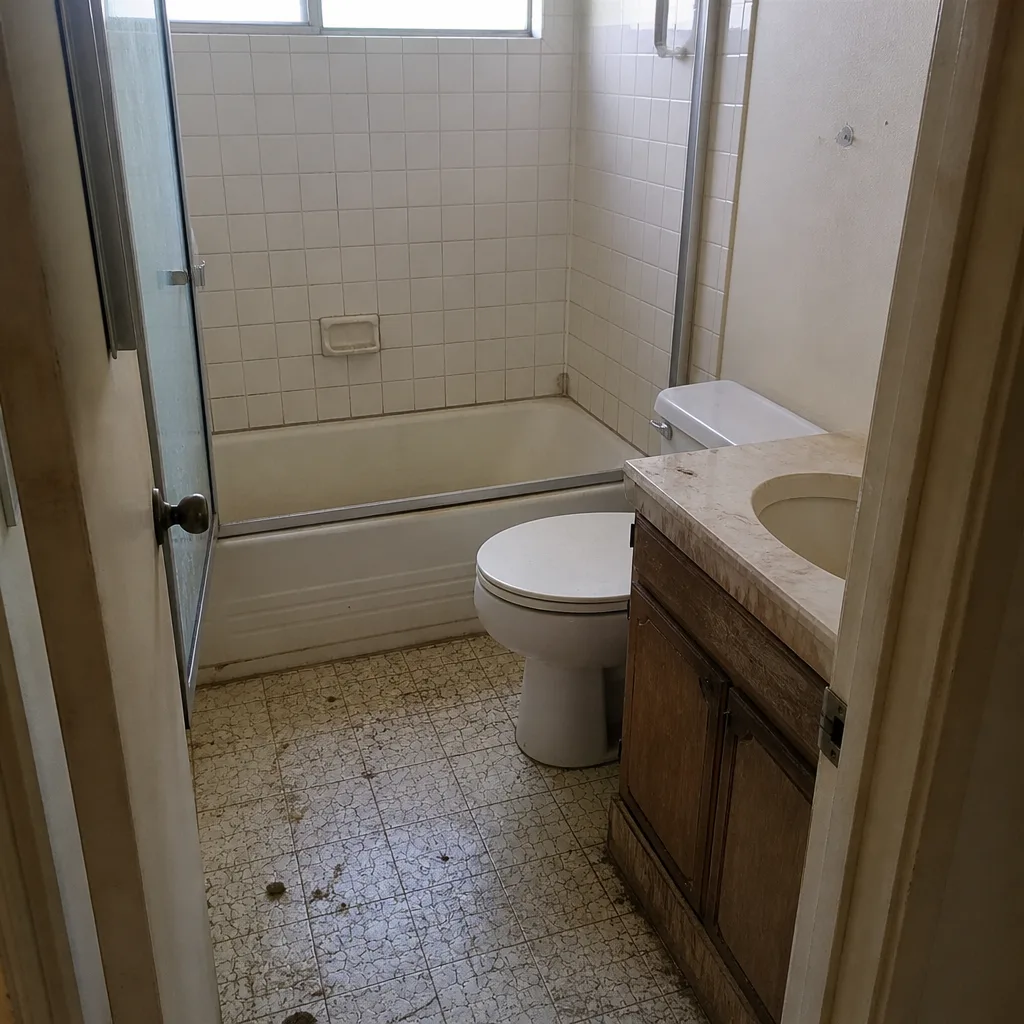 Before
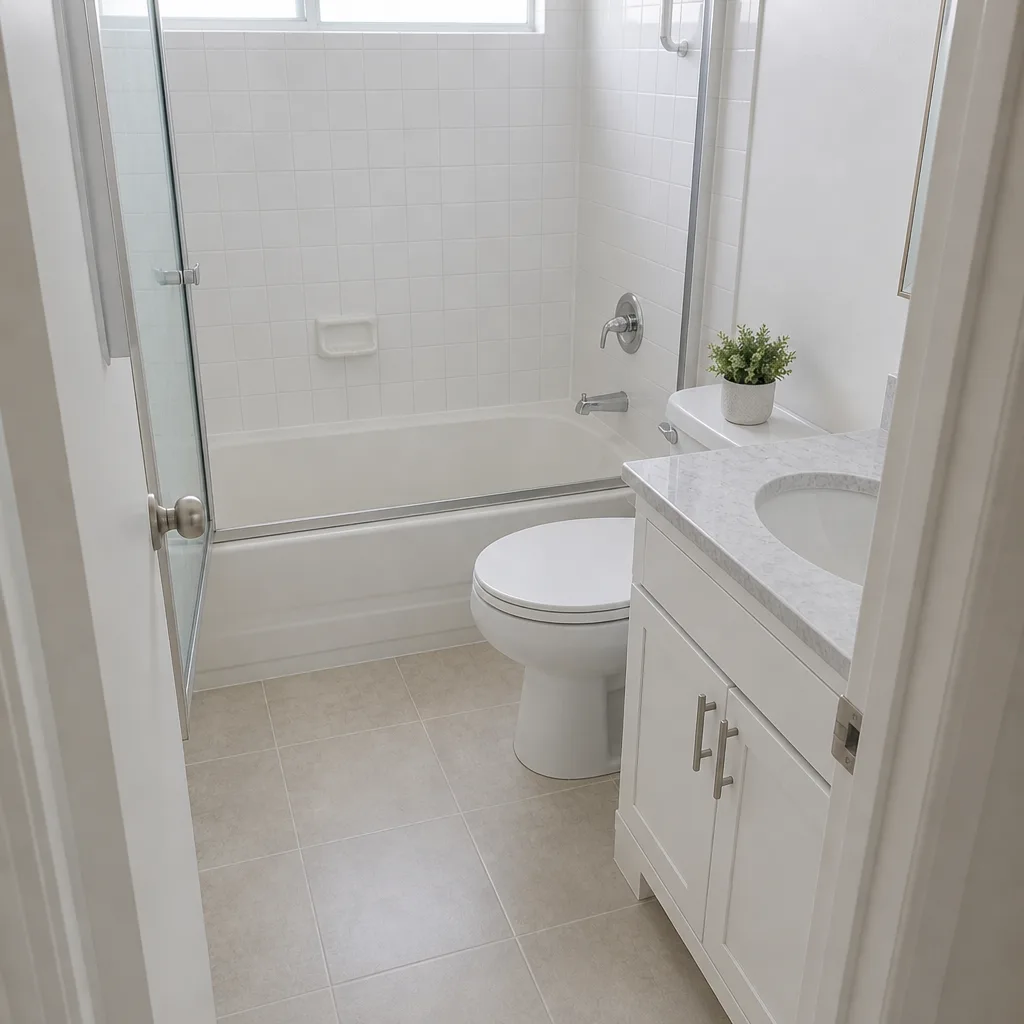 After
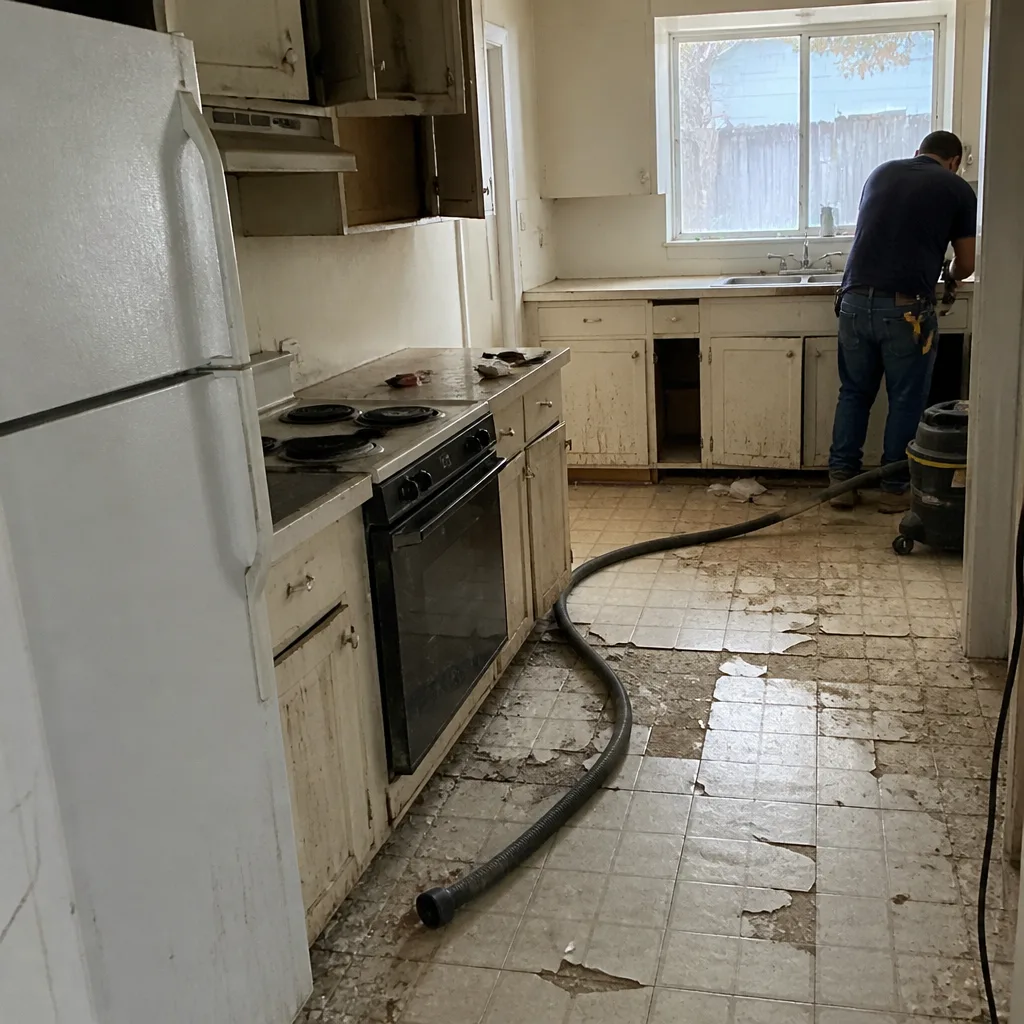 Before
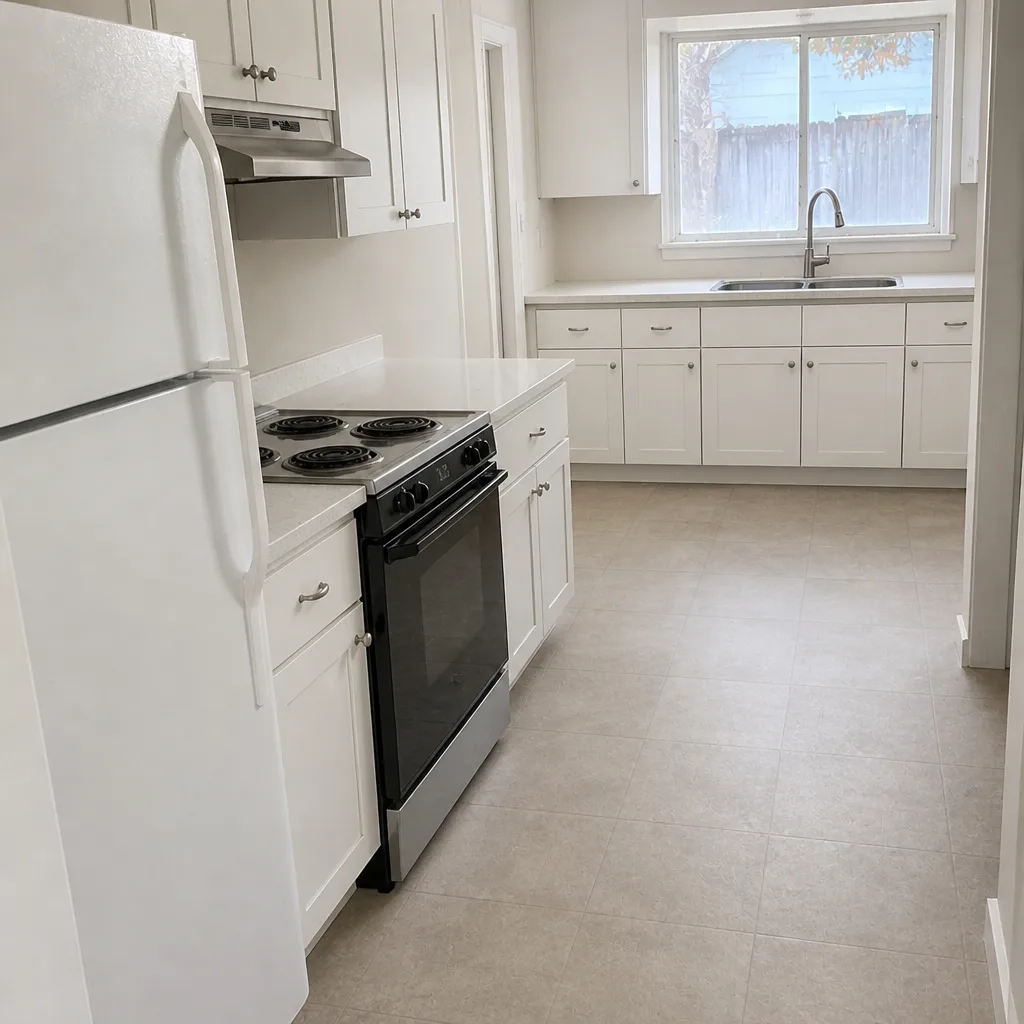 After
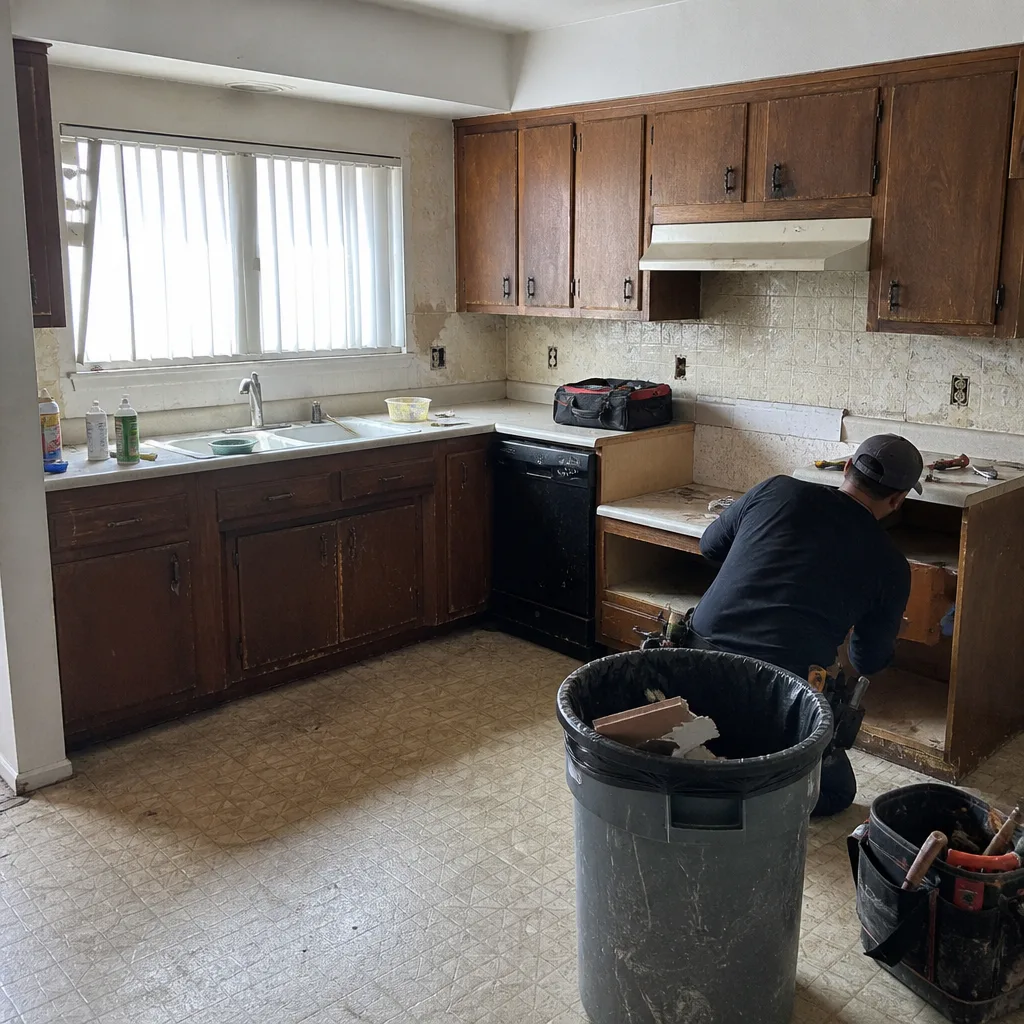 Before
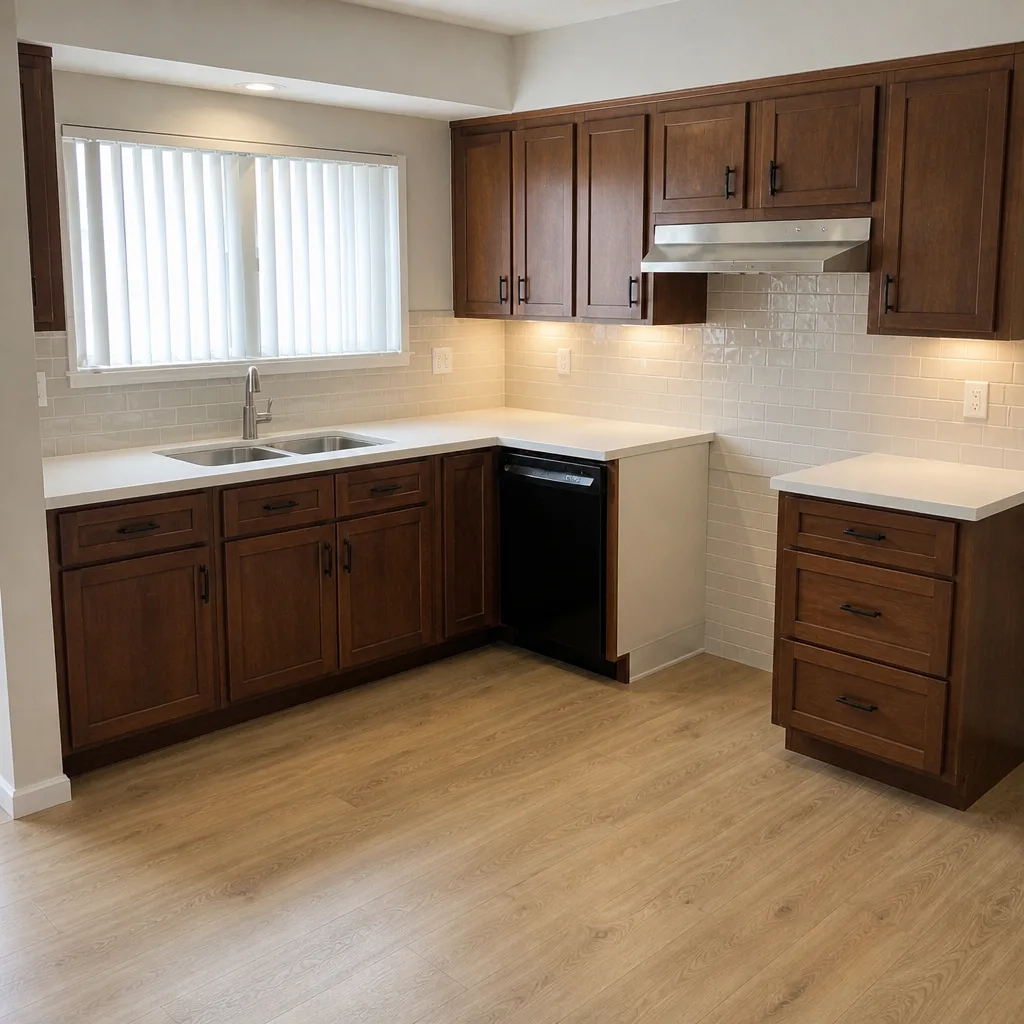 After