Last updated November 17, 2026


Free written scope consultation - allowances, timeline, and change-order rules on paper before a single trade is scheduled
Driveway & Pavers Maintenance Checklist for Tustin Homeowners
The number-one reason Belgard and Unilock paver driveways across Orange County develop rocking or sunken sections isn’t freeze-thaw damage – it’s the clay soil shrink-swell cycle nobody mentions at the showroom. Tustin sits on ground that swells when it’s wet and contracts through the long dry season, and that movement works on a driveway every month of the year. Most maintenance advice online was written for wet, freezing climates and puts the priorities in the wrong order for Southern California. This checklist is built around what actually fails first here: the joints, the edges, and the base before the surface. You’ll learn the inspection calendar that matches our weather, how to spot the early warning signs, what sealer to choose, and when to stop topping off sand and call someone.
Quick Answer
Maintain a Tustin paver driveway by inspecting it three times a year on a schedule matched to local weather, refilling polymeric sand joints before they wash out, checking edges and base for movement, and sealing no more than every few years with a breathable product. On clay soil, base and joint failure shows up before surface wear, so most repair money goes into the layer under the pavers. Concrete needs less frequent attention but cracks more permanently on expansive ground.
Styles & brands we work with
- Kitchen remodeling
- Bathroom remodeling
- Home additions & ADU
- Roofing
- Windows & doors
- Driveway & pavers
- Fence
Table of Contents
- Why Tustin’s Clay Soil Changes Everything
- The Tustin Seasonal Inspection Calendar
- Joint Failure and Polymeric Sand: What to Check and Refill
- Reading Cracks and Lippage: When DIY Stops Working
- Sealer Selection for Tustin’s UV Exposure
- Concrete vs. Paver Driveways: Long-Term Maintenance Cost
- Your Annual Routine Maintenance Checklist
- Common Mistakes to Avoid
Why Tustin’s Clay Soil Changes Everything
Tustin sits on clay-heavy ground, and clay behaves differently from sand or gravel base depending on how much water it holds. During the rare rainy stretches, clay absorbs water, expands, and pushes upward. Through the long dry months, it contracts and pulls away. That cycle repeats every year, and it’s what stresses every pavement on the property. Understanding it explains almost every way a paver driveway fails in Tustin.
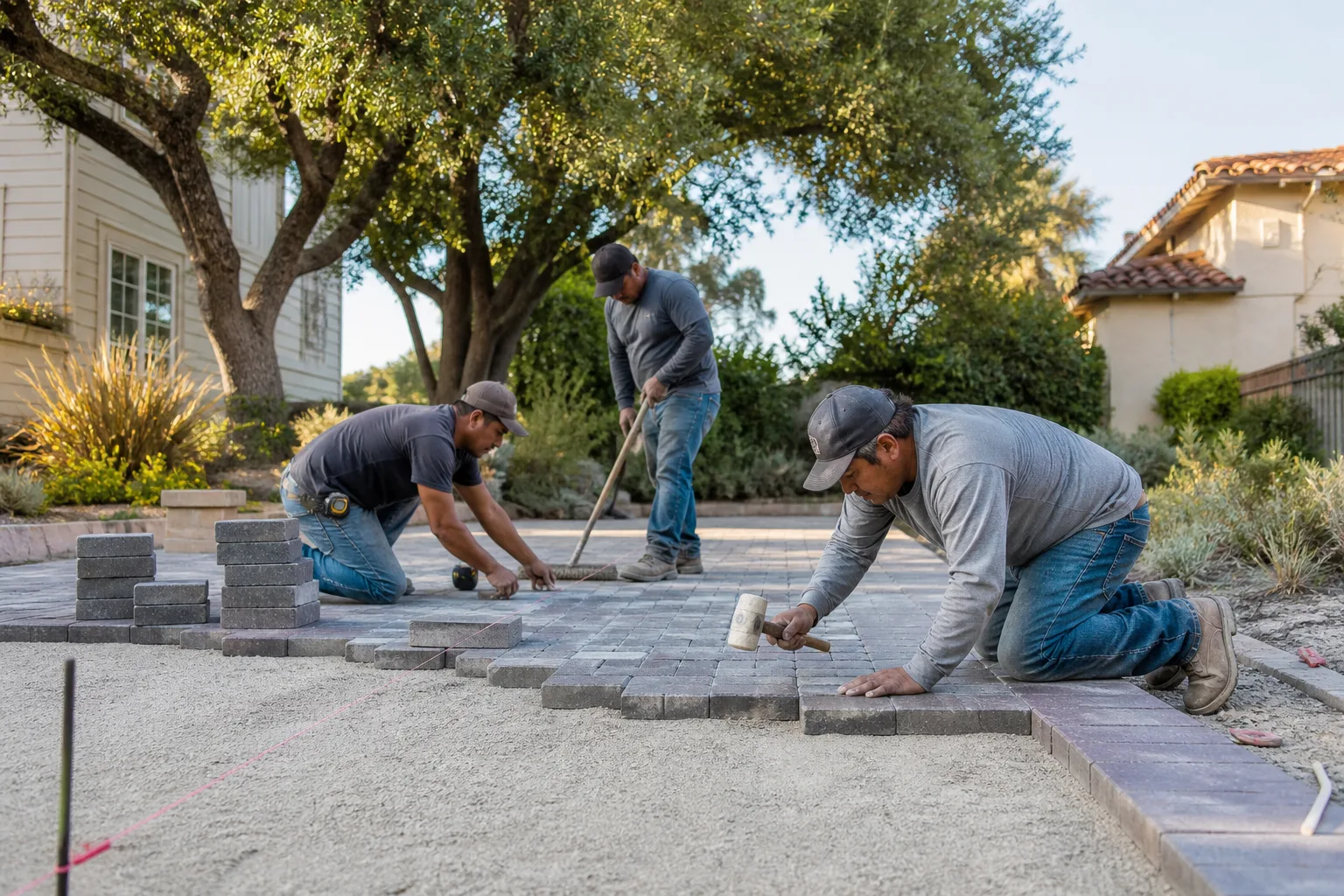
Paver systems handle this movement better than most materials because they’re flexible. The joints between individual units let the surface shift slightly without breaking, and the sand between them absorbs some of the pressure. But that flexibility only works if the base beneath is compacted correctly and laterally contained at the edges.
When we look at problem driveways in Tustin, the failure order is almost always the same:
- Joints first. Polymeric sand washes out or dries and crumbles, letting water reach the base directly.
- Edges second. Without solid edge restraint, the outer pavers migrate outward and open gaps.
- Base third. Once water gets under the surface and the clay moves, sections sink or heave and the pavers rock underfoot.
- Surface last. Actual wear on the pavers themselves is usually the least of your worries.
The practical takeaway: on a Tustin driveway, joint and edge maintenance is the whole game. Everything else is downstream of keeping water out of the base. If you’re replacing a failing driveway rather than repairing one, we install driveway & pavers built with proper base preparation and edge restraint for exactly this ground condition.
The Tustin Seasonal Inspection Calendar
Timing matters here because Tustin’s weather threats arrive on a predictable schedule. A driveway inspected twice a year – matching the pre-Santa Ana window and the end of the rainy season – catches almost everything before it turns expensive. The UV peak in midsummer is the third checkpoint.
1. Pre-Santa Ana Season (Late Summer)
Before the wind events arrive, walk the driveway and clear what the wind will throw. Santa Ana winds push debris, loose soil, and grit across surfaces, and that material acts like sandpaper. They also drive fine dust and plant debris into open joints. Sweep everything off, check that tree branches near the driveway are trimmed back, and clear the gutters and drains that feed water toward the pavement. This is also the right time to look for any joints that have opened over the summer, since wind-driven grit will widen them.
2. Post-Rainy Season (Late Spring)
Once the wet season is behind us, inspect for what the water left behind. Clay expands in wet weather, so this is when you’ll first see new heave, edge separation, or joints that lost sand. Check the edges for any paver that has moved outward. Check the transition to the garage slab and to the street apron. If any section rocks underfoot, mark it.
3. Mid-Summer UV Peak
This is the sealer and surface checkpoint. Intense sun degrades sealers, dries out polymeric sand, and can fade some pigmented products. Walk the surface in bright light and look at the joint lines closely. If the sealer looks chalky or dull compared to early spring, note it for the fall. If the sand has gone brittle, that’s a refill indicator.
A practical note from our experience: many Orange County homeowners treat this as a once-a-year chore and skip the pre-wind inspection. But wind-borne debris causing abrasion and joint loading is the fastest path to needing a professional repair on a driveway here, so the third check earns its place.
Joint Failure and Polymeric Sand: What to Check and Refill
Joint failure is the earliest visible sign a Tustin paver driveway is starting to fail, and it’s the cheapest to fix when you catch it. Polymeric sand is the material designed to fill the gaps between pavers and harden into a semi-flexible, water-resistant binder. When it’s healthy, water runs across the surface rather than down into the base. When it fails, water goes straight to the clay.
Here’s how to identify failure early:
- Run your finger along a joint line. Healthy polymeric sand feels firm and slightly gritty. Failed sand crumbles, turns to powder, or is simply absent in the upper section of the joint.
- Look for washout channels. After rain, check for visible grooves or lines where water ran and took sand with it. Common at driveways that slope toward the street.
- Check for efflorescence. A white, powdery haze on the paver surface can indicate moisture trapped under the surface pushing salts up through the joints. On clay soil, persistent efflorescence points back to a moisture problem, not just a cosmetic one.
- Post-wind inspection. After any strong wind event, look for grit accumulation at the driveway’s low points. That grit came from somewhere, often the joints.
Techniseal HP+ vs. Alliance Gator Bond for SoCal Heat
Both products are commonly specified on Belgard and Unilock jobs in this region, and both hold up better than generic sand-fill products because of their polymer binders. Choosing between them usually comes down to the specific problem:
- Techniseal HP+ is favored when heat and UV are the primary stressors. It cures into a firmer joint that resists wind-driven grit better than standard polymeric sand, and it handles the dry season well.
- Alliance Gator Bond is a strong option where joints are wider or where the risk is water washout during the rare heavy rain. It stays slightly more flexible, which helps when clay movement pushes edge pavers slightly against their neighbors.
- Talk to a professional about matching the product to your joint width. Wider joints in an older driveway take a different fill than a tight new installation, and getting it wrong means redoing the job in a season or two.
Refill is not just a surface chore. Getting the sand right prevents water infiltration, and that stops the clay from swelling in the first place. This is the highest-leverage maintenance a Tustin homeowner can do on a paver driveway.
Reading Cracks and Lippage: When DIY Stops Working
Cracks in concrete or joint failures in pavers aren’t all the same. Some are cosmetic and stay put. Others are the visible edge of a base failure. Knowing the difference tells you whether a sand top-off is enough or you need a contractor.
The physical sign to measure is lippage – the height difference between one paver and its neighbor. Measure across the joint with a straightedge or level. On a Tustin driveway, lippage of a fraction of an inch that stays stable across seasons is usually fine. Lippage that increases between your spring and fall inspections is not, because it means the base is moving.
The crack patterns that should trigger a call:
- Diagonal cracks radiating from a corner of the driveway toward the center. On a concrete driveway over clay, this often indicates heaving or settlement under the slab.
- Long, straight cracks running parallel to the edge that widen noticeably between inspections. These usually point to edge restraint failure or base compaction loss.
- Concentric cracks around a drain or utility access, which signal localized sinking.
- Rocking pavers. If a paver tips underfoot when you step on it, the bedding under it has failed. Topping off sand won’t fix it. The paver and its base need to be reset.
- Gaps opening along the edge restraint. If the outer pavers have pushed out or the restraint has moved, the whole surface has lost lateral support.
Each of these points to base or edge failure, and none of them are solved by filling joints. A good repair needs the failed section lifted, the base recompacted or rebuilt, and the paver reset with fresh bedding. We handle that as a repair or as part of a full replacement, and a free written estimate tells you which one makes sense for your driveway.
Sealer Selection for Tustin’s UV Exposure
Sealer is the maintenance decision that homeowners get wrong most often, and in two opposite directions: no sealer at all, or sealing every year. In Tustin’s climate, both damage the surface. Intense UV breaks down the wrong sealers quickly, and too much sealer traps moisture that would otherwise leave the driveway and lets it push through the surface as efflorescence.
Penetrating vs. film-forming sealers
- Penetrating sealers soak into the paver and block water absorption without coating the surface. They’re less likely to peel in UV, less likely to trap moisture, and easier to apply correctly on a residential driveway. They need reapplication more often, but the process is forgiving.
- Film-forming sealers sit on top of the paver and produce a sheen or a wet look. They can enhance color, but they peel and chalk under strong UV if not reapplied on schedule, and when they trap moisture under the film, you get milky patches. On clay soil, trapping moisture is the last thing you want.
For most Tustin driveways, a penetrating sealer applied every few years and re-applied when the water test (spraying a small amount and checking whether it beads or soaks) shows absorption is the right rhythm. Film-forming products work in specific applications, like accent features, but should be chosen deliberately, not as a default.
The over-sealing problem
Layering sealer year after year without stripping it does as much harm as sealing never. Film builds up, breathes less, and eventually peels. If you’ve seen a driveway that looks cloudy or has flaking patches, that’s usually over-application. Before any new sealer goes down, the surface needs to be clean and any failing old seal stripped. That’s a good reason to have a contractor check the surface before your next cycle.
Concrete vs. Paver Driveways: Long-Term Maintenance Cost
On Tustin’s specific soil profile, concrete driveways and paver driveways fail in different ways, and that difference drives long-term maintenance cost. Concrete is a single continuous slab, so it has no joints to refill – but it also has no flexibility. When clay swells and shrinks under it, the slab either heaves or cracks. Repairs on concrete are usually localized but more expensive per incident, since you can’t reset a poured slab the way you can reset a paver.
A comparison worth thinking through:
- Paver driveway: needs regular joint sand refill, occasional sealing, and periodic edge checks. Individual pavers can be lifted and reset if a base section fails. No single repair is usually huge, but the maintenance burden is regular.
- Concrete driveway: minimal routine maintenance for most of its life. Cracks and heave are more serious when they arrive. Cosmetic cracks can be sealed; structural heave usually means remove-and-repour of a section.
- On clay: concrete stress concentrates into fewer, larger problems. Pavers spread the stress across joints but demand more frequent attention.
- Curbside value: a well-built paver driveway with designer pavers from brands like Belgard and Unilock adds visual curb appeal, which is part of why they sell in Tustin. Concrete can match it with decorative finishing, but the paver look is a specific aesthetic.
Neither is the objectively “cheaper” choice. Paver driveways ask more of you in routine care but reward you with repairability. Concrete asks less of you but complains more loudly when it fails. If you want to know what a specific repair or replacement would cost on your driveway, start with a free written estimate and a look at the base.
Your Annual Routine Maintenance Checklist
Here’s the short version of the routine that keeps a Tustin paver driveway in good shape without overdoing it.
- Spring: post-rain inspection. Walk edge lines, mark any rocked or sunken pavers, check the joints for sand loss, and look for new efflorescence.
- Spring: refill any failed joints with the appropriate polymeric sand, matched to the joint width.
- Midsummer: check the sealer’s performance with the water-bead test. Note the condition but don’t seal in peak heat – schedule it for fall.
- Late summer: pre-Santa Ana cleanup. Sweep the whole surface, trim nearby vegetation, clear drains feeding the driveway.
- Fall: apply sealer if due. Strip or correct any failing film first.
- After any wind event: quick visual sweep for grit and joint disruption.
- Annually: measure one or two lippage points and note the numbers so you can compare next year.
This routine is manageable in an afternoon across the whole year. The one thing it can’t tell you is whether the base under the surface is still sound, and on clay, that’s the invisible half of the problem. A professional inspection every few years – alongside your other exterior checks – catches base issues before they surface. A property-wide eye helps here; we cover Construction Tustin services from the driveway to the roofline so one relationship covers every phase.
Common Mistakes to Avoid
- Sealing every year. Film-forming sealer built up in layers traps moisture and peels under UV. Penetrating sealer every few years is usually the right rhythm for Tustin.
- Topping off sand over a rocking paver. If a paver moves underfoot, the base has failed. Sand hides the problem for one season and then it comes back worse.
- Ignoring edge restraint. Many Tustin paver driveways lose their edge first because the restraint was undersized or incorrectly set. Check it during the spring inspection.
- Skipping the pre-Santa Ana sweep. Wind-driven grit abrades pavers and loads joints. Clearing debris before the wind is the easiest money you’ll save.
- Using generic sand for joint fill. Standard sand doesn’t bind, so it washes out in the first rain. Specify a polymeric product from a brand like Techniseal or Alliance.
- Choosing a paver by looks alone. A designer line from Belgard or Unilock looks the same at the showroom as a commodity paver and fails very differently on clay. Base preparation matters as much as the surface.
- Snaking the hose over the driveway in midsummer. Watering a residential driveway to “help” the clay is a common instinct, but it accelerates the shrink-swell cycle. Direct water away from the driveway, not onto it.
See the difference
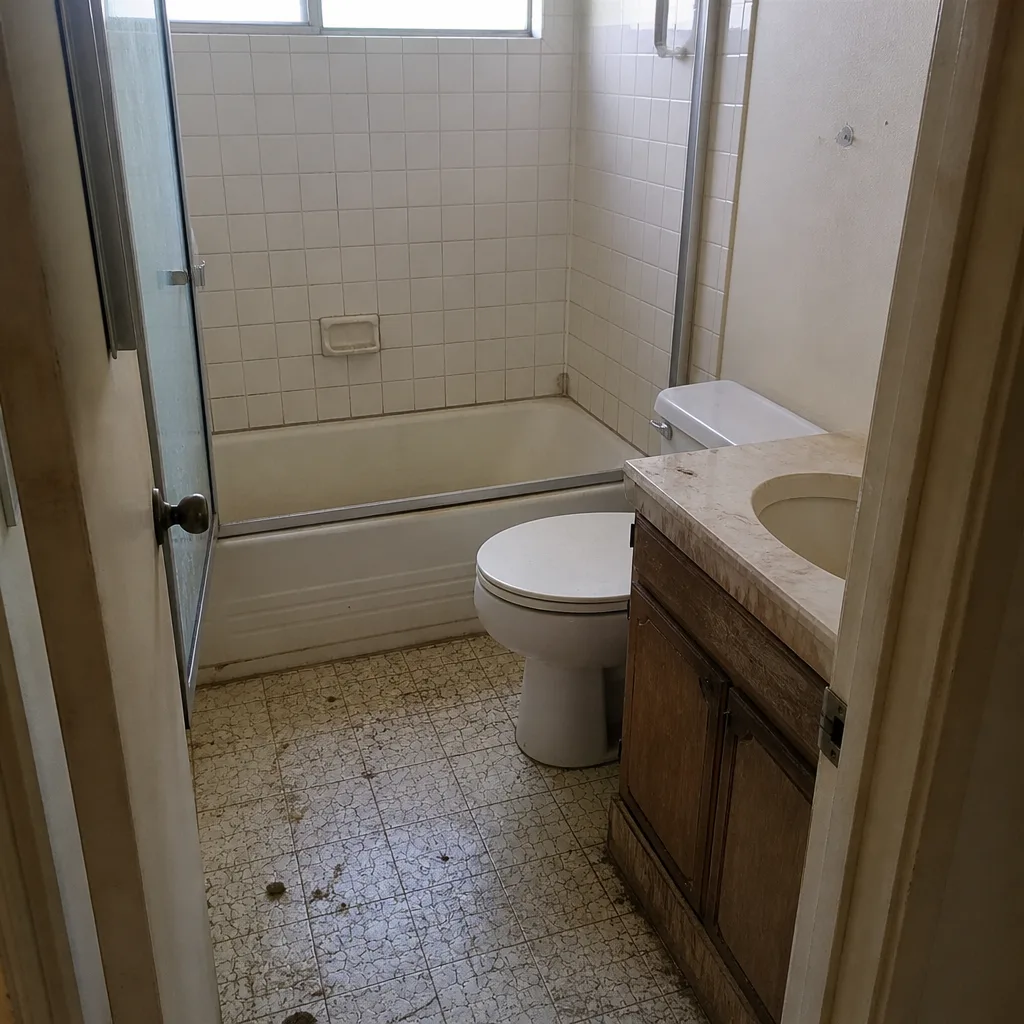 Before
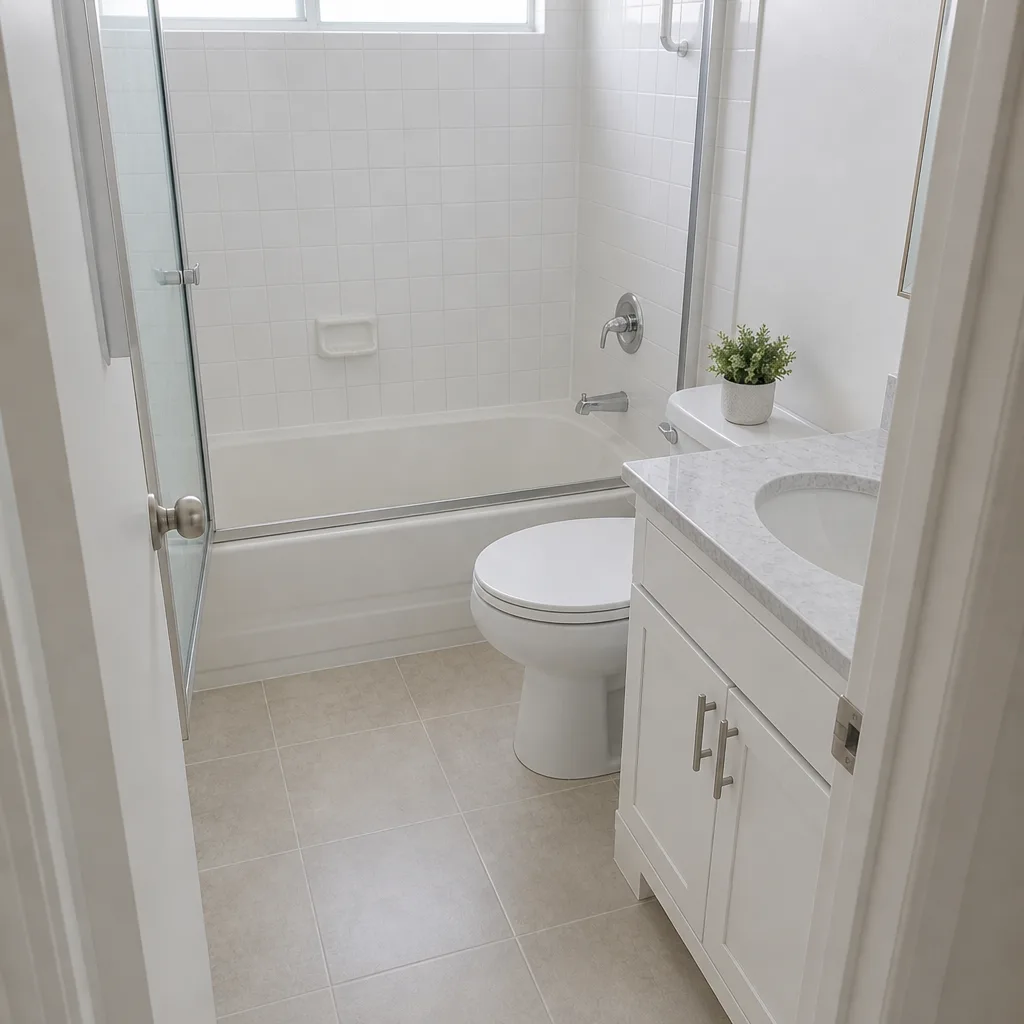 After
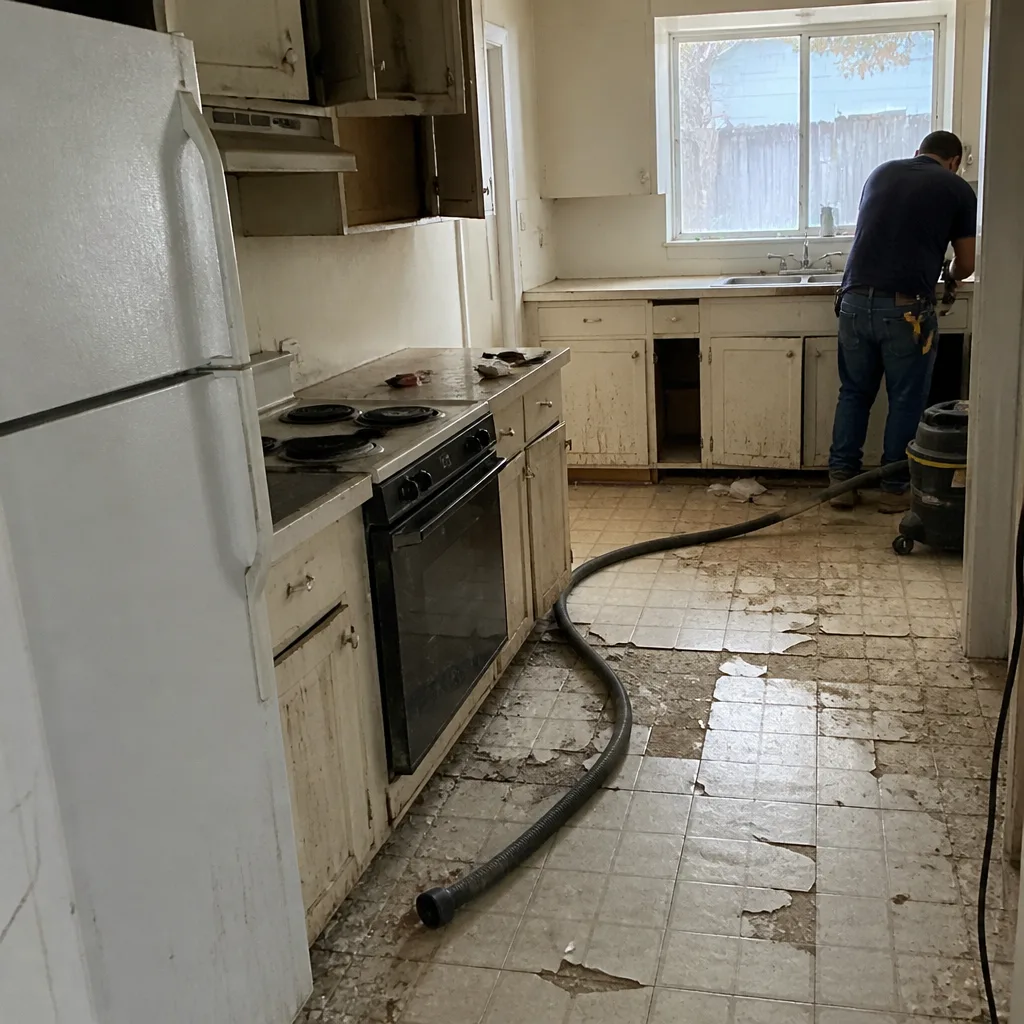 Before
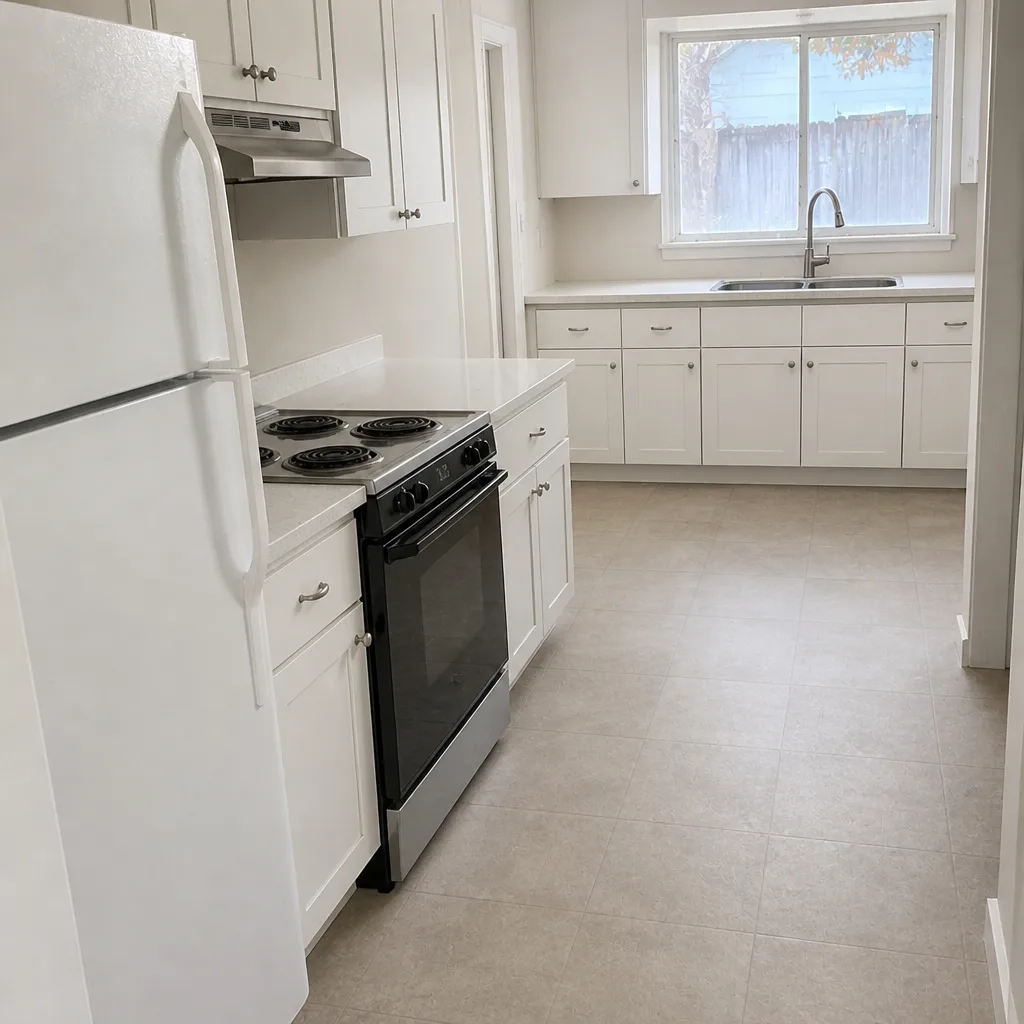 After
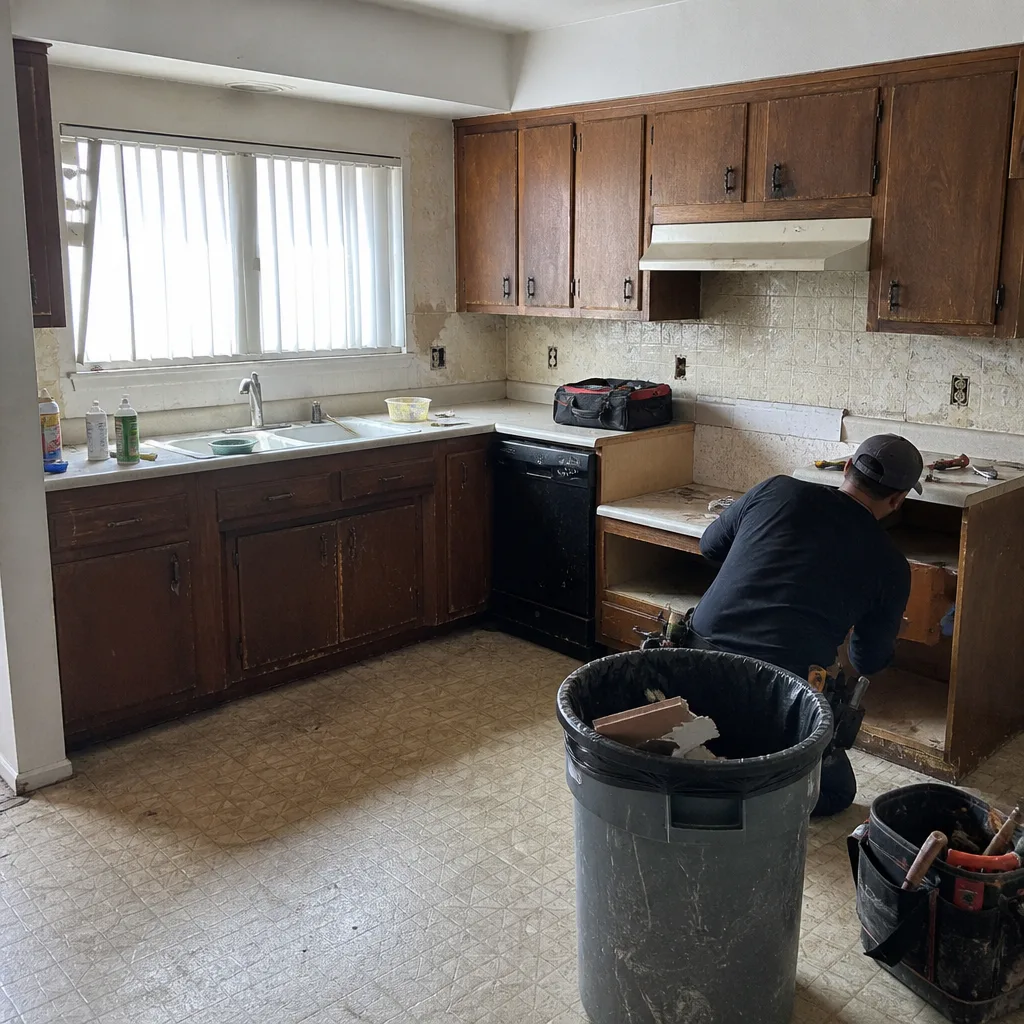 Before
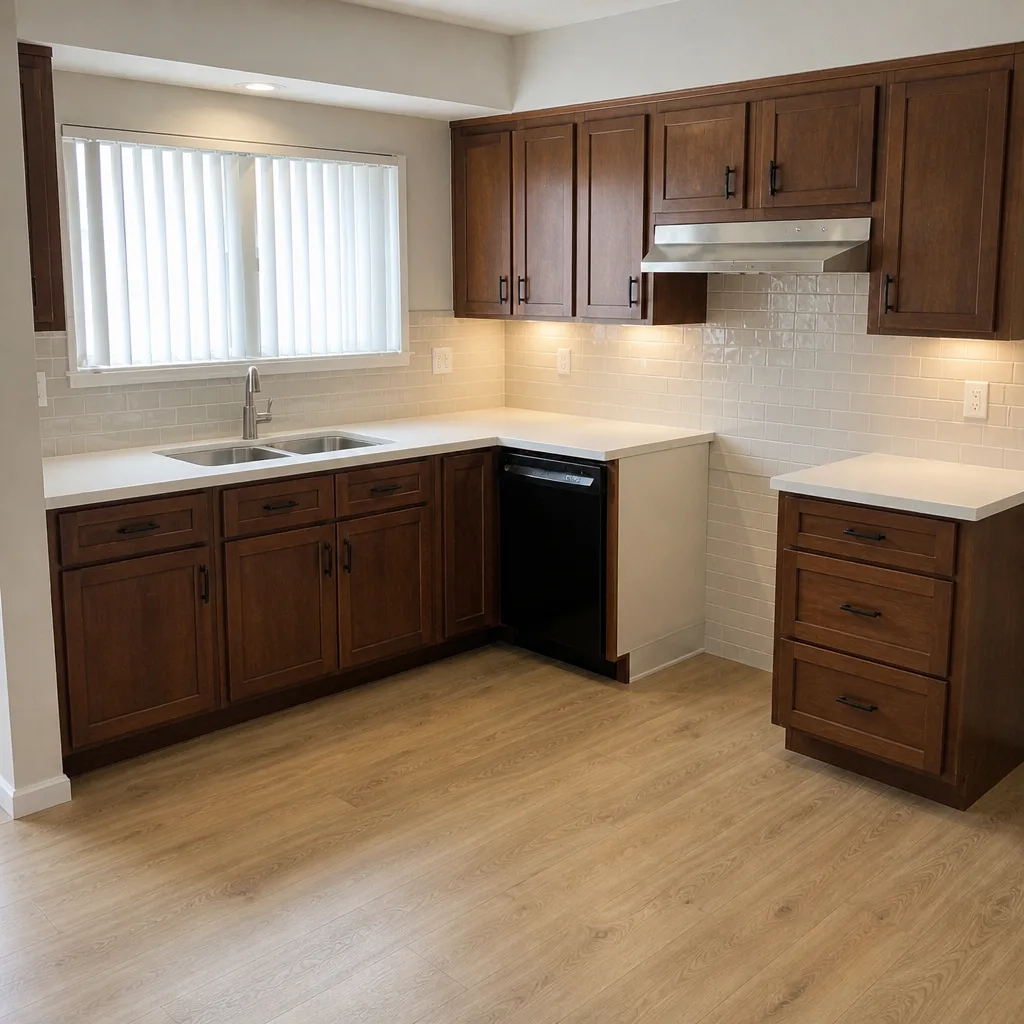 After
When to Call a Professional
Call a professional when the signs point below the surface: rocking pavers, growing lippage between inspections, cracks radiating from corners or opening along the edges, heave after the rainy season, or edge restraint that has visibly moved. If your joints are failing faster than once a year despite proper refill, the base is likely taking on water, and no amount of topical maintenance will stop that. Base rebuilding and edge restraint repair are best left to someone who can lift the affected section, recompact the base, and reset it correctly. It’s also the moment to think about the whole property, because exterior work compounds: a driveway that drains badly damages the fence installation at its edge and the garage slab at its top just as surely as it damages the side of the house with improper drainage.
Construction Tustin offers free estimates in Tustin. Call (844) 415-6046. We answer 24/7. Fast dispatch from 7am to 7pm, Sunday through Friday. Estimates are free, they’re written line-item, and the written estimate sets the final price. If the repair turns out to be a replacement, we source Belgard, Unilock, and other name-brand paving options so the finish is manufacturer-backed rather than a substitution.
Frequently Asked Questions
Expect refills every year or two on a Tustin driveway, and inspect at least twice a year to catch spot failures sooner. UV and wind-driven grit dry out and dislodge the sand faster here than in wetter climates. If joints fail more often than that, you have a base-water problem, not a sand problem. Call (844) 415-6046 for an inspection if you’re refilling more than once a year – estimates are free.
Penetrating sealer soaks into the paver and blocks water absorption without coating the surface, while film-forming sealer sits on top and produces a sheen but peels under strong UV. For most Tustin driveways on clay soil, a penetrating sealer reapplied every few years is the safer choice because it breathes. Film-forming products have their place but need scheduled renewal. Call (844) 415-6046 to have a surface checked before you seal.
Neither is automatically cheaper on Tustin’s clay soil; concrete needs less routine care but more costly repairs when it heaves or cracks, while pavers need regular joint sand work and sealing but can be reset paver by paver. The right answer depends on how well the base was built. Call (844) 415-6046 for a written estimate on a repair comparison.
Cracks radiating from driveway corners usually mean the clay base has heaving or settling under the slab, or the edge restraint has failed. Clay expands when wet and contracts when dry, and corners are where that movement concentrates. On pavers the equivalent shows as edge gaps and rocking. Call (844) 415-6046 to find out what the base needs – estimates are free.
No. Plain sand doesn’t bind, so the first heavy rain or wind event takes it, letting water reach the clay below. Polymeric sand cures into a semi-flexible binder that stands up to the dry season and the occasional rain. Use a properly specified polymeric product and match it to joint width. Call (844) 415-6046 if you’re not sure what your driveway needs.
Rocking pavers, lippage that grows between inspections, and gaps along the edge restraint are all signs the base is compromised, and those are not DIY sand top-offs. Base problems need the section lifted, recompacted, and reset. Call (844) 415-6046 for a free estimate and a clear answer on what the repair involves. The written estimate sets the final price.
The Bottom Line
On a Tustin driveway, the joints, edges, and base fail before the pavers do, and that’s the whole checklist. Inspect twice a year plus once after wind events. Refill polymeric sand before failure spreads, using a polymeric product matched to joint width. Choose a penetrating sealer on clay soil and don’t over-seal. Fix edge restraint the moment it moves. Know the crack patterns and lippage readings that mean it’s time to call. And remember that the surface is the cheapest thing to maintain, so keep water out from above and the base intact below. If your exterior work extends to the rest of the property, we handle home additions & ADU builds and every other phase. Call (844) 415-6046 for your free estimate.
Written by the team at Construction Tustin.