Last updated November 17, 2026





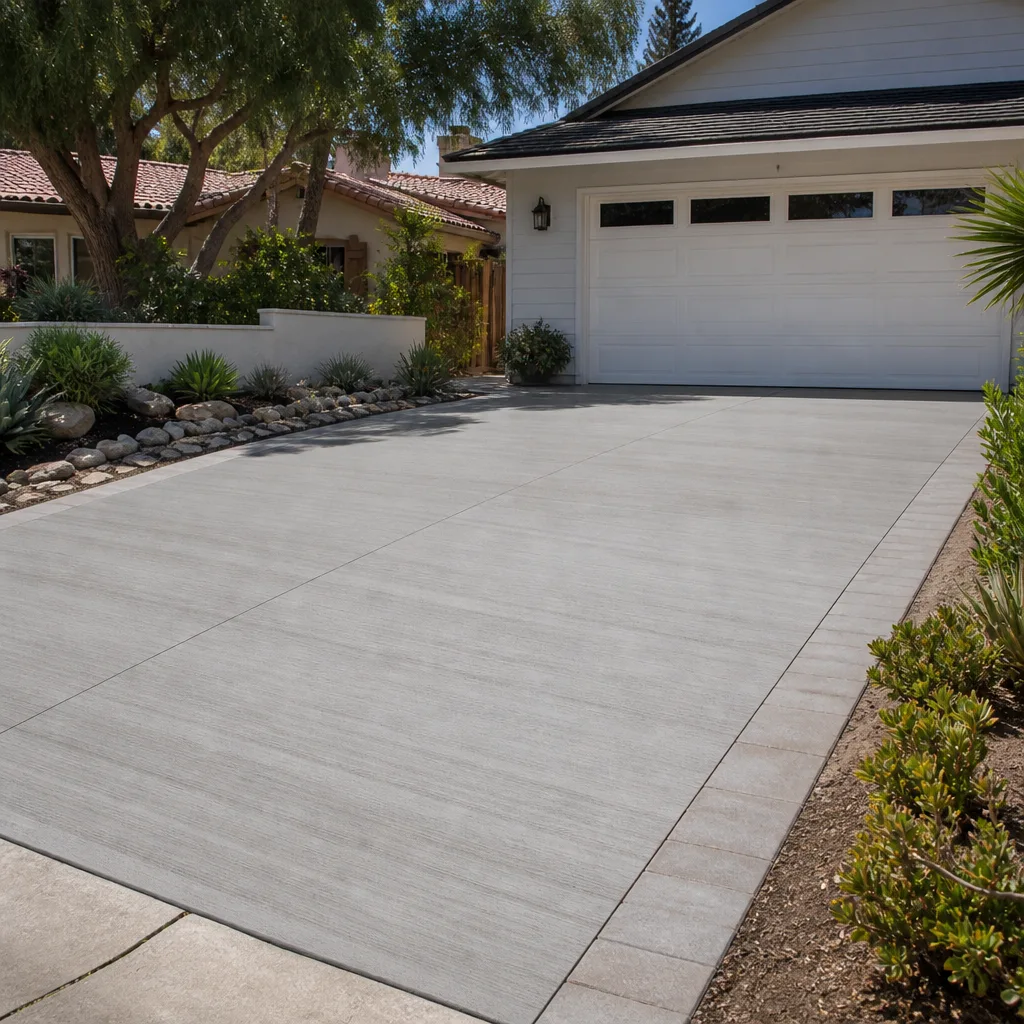

Free written scope consultation - allowances, timeline, and change-order rules on paper before a single trade is scheduled
DIY vs Professional Construction: The Tustin Homeowner’s Decision Guide
The DIY versus pro question is usually framed as a skill test or a budget test. In Tustin, it’s actually a question about which decisions you can undo. A tile job that comes out crooked can be torn out and redone. A permitted addition pulled under California’s owner-builder rules is a different animal entirely: it follows the property, not just the homeowner, through every future sale, appraisal, and insurance claim. This guide walks through which Tustin projects are genuinely DIY-viable, which ones carry consequences that outlast a remodel, and where the line actually sits in California code.
Quick Answer
In Tustin, cosmetic work that doesn’t touch structure, electrical, plumbing, or gas is usually safe to do yourself. Anything that requires a permit, changes the building envelope, or involves a structural load path is where DIY stops being a money question and becomes a liability question. The dividing line isn’t skill. It’s reversibility, and whether the consequence stays with the house after you sell it.
Styles & brands we work with
- Kitchen remodeling
- Bathroom remodeling
- Home additions & ADU
- Roofing
- Windows & doors
- Driveway & pavers
- Fence
Table of Contents
- See a table of contents below, or jump straight to the section you need
- The Project-by-Project Decision Matrix
- California’s Owner-Builder Permit Rule Explained
- The True Cost of DIY: Waste, Tools, and the Contractor Premium
- When Homeowner-Assist Actually Saves Money
- Unlicensed Work: Where the Line Actually Sits
- How Insurance Treats Unpermitted and Owner-Performed Work
- Common Mistakes to Avoid
- When to Call a Professional
The Project-by-Project Decision Matrix
Every construction task in Tustin lands into one of three bands. The bands are based on what triggers a permit, what triggers an inspection, and what exposes the homeowner to a structural or safety risk that can’t be reversed cheaply.
Band 1: DIY-viable. Interior paint, tile backsplash, cabinet hardware swaps, shelf and closet systems, fence staining (not installation), and landscape refresh at the surface level. None of these touch a permit or a structural load path. If the work goes wrong, the remedy is labor, not a re-inspection.
Band 2: Conditional. Bathroom vanities where plumbing stays in place, interior door swaps (not exterior), light fixture replacements in existing boxes, and cosmetic kitchen upgrades that don’t touch cabinetry footprint. These are candidates for homeowner-assist rather than full DIY, because a single mishandled connection triggers a permit review.
Band 3: Hire a pro. Roofing, windows and doors, home additions & ADU construction, and any project that touches structural framing, electrical panel work, gas lines, or the building envelope. These aren’t a sales pitch, they’re the point at which a mistake triggers a permit requirement, an inspection, or a safety exposure you can’t unwind with a few days of work indoors.
In Tustin specifically, most homes sit in older tracts where the original wiring and plumbing are decades old. A homeowner opening a wall expecting a simple swap often finds aluminum branch wiring, galvanized supply lines, or a panel without capacity for a new circuit. That’s the moment a Band 2 project becomes a Band 3 project, and the honest call is to stop and bring in a licensed professional rather than improvise.
California’s Owner-Builder Permit Rule Explained
California allows a homeowner to pull a permit as an “owner-builder” on their own residence. The catch is buried in the disclosure requirements and often omitted from the how-to guides that explain the process online.
When a property is sold within a certain window after owner-builder work, the seller owes the buyer a specific disclosure. California’s Business and Professions Code puts that window at ten years: the seller must disclose the work was done as an owner-builder, along with the statutory notice language that the work was performed without a licensed contractor’s oversight. That disclosure is not a formality. It informs the buyer, the buyer’s lender, and the buyer’s insurer that the property was modified without professional accountability. On a hot Tustin market, that flag can extend days on market, shift an appraisal, or kill an offer outright.
Here’s what the owner-builder rules actually require:
- You must intend to occupy the home yourself. Owner-builder permits are for personal residences, not for a home you intend to flip or rent out.
- You’re responsible for code compliance and inspections. The permit is pulled in your name, and the inspection failures are recorded against the property address.
- You assume the liability a contractor would normally carry. There’s no general liability policy behind owner-builder work, and no workmanship warranty for a future buyer to fall back on.
- You trigger the ten-year disclosure at sale. The disclosure follows the property, not the person.
- Your workers may not be your employees. If you hire unlicensed help, you can become the employer for workers’ compensation and payroll tax purposes in California.
That last point is where a surprising number of homeowners get squeezed. Pulling a permit as owner-builder and then hiring a crew off a marketplace listing creates an employment relationship in the eyes of state regulators. The homeowner is treated as the responsible party for worker injuries on site. A licensed contractor carries that exposure instead.
The True Cost of DIY: Waste, Tools, and the Contractor Premium
Material waste is the line item almost nobody budgets for. A tile job done without a proper wet saw fractures edges, and a two-box overage turns into a third trip to the supplier. Stucco patching on the exterior of a Tustin home rarely matches the original texture on the first pass, which doubles the material. Paint swatched under interior lighting looks different on a sun-exposed south wall by mid-afternoon.
Tools are the second invisible cost. The jobs that actually justify DIY usually require tools the homeowner doesn’t own and probably won’t use again: a rotary hammer for stucco anchors, a wet tile saw, a framing nailer, a laser level. Rentals add up faster than people expect, especially on a job that stretches across several days with a weekend gap in the middle.
Then there’s the repair premium. When a DIY job goes sideways and a pro has to step in, the labor isn’t cheaper than doing it right the first time. It’s more. A contractor pricing a redo of a botched tile job has to charge for demolition, disposal, substrate repair, and the reassembly. The homeowner pays for the original materials, the DIY time, the professional repair, and the second set of materials. The same math applies to improperly flashed windows, badly laid pavers, and cabinets hung off-square.
A quick comparison of where cost actually lands by project type:
- Interior paint: DIY is competitive once you value your time at anything under a moderate hourly rate, because the failure mode is cosmetic and repeatable.
- Tile backsplash: DIY often looks close on paper, but the odds of a clean first-pass install without a wet saw and layout experience are low. A redo wipes out the savings.
- Roof repair: The redo premium is severe, because a failed repair can mean interior water damage, drywall replacement, and insulation replacement on top of the original job.
- Windows and doors: Misaligned flashing on a window replacement can cause years of slow water intrusion before it’s visible. Brands like Therma-Tru and ViewLux are specified on professional installs precisely because the manufacturer warranty depends on proper installation.
- Driveway pavers: A driveway & pavers install done without proper base compaction settles within a few seasons. The paver product is fine; the base is the failure. Redoing it means pulling every unit back up.
The “contractor premium” – the gap between hiring a pro and doing it yourself – is real. But it’s smaller than most homeowners think once you price waste, tool rental, and a realistic single-pass rate. You’re paying the difference in time spent on research, sourcing, and scheduling, not just in labor.
When Homeowner-Assist Actually Saves Money
There are legitimate ways to reduce the cost of a professional project by doing portions of the work yourself. The line to watch is which tasks create liability for the contractor.
Legitimate homeowner-assist tasks:
- Demolition of non-structural finishes. Pulling old cabinets, tearing out carpet, and removing tile from a floor that will be replaced is safe work when it doesn’t touch a load path, plumbing stub, or electrical box. Confirm scope with your contractor before you swing a hammer.
- Cleanup and debris handling. Staging materials, sweeping the site, and hauling debris to a dumpster is straightforward and cost-effective.
- Painting after the pro finishes. Interior painting after trim, drywall, and cabinetry are installed is a clean handoff. The painter isn’t responsible for anything structural, and you’re not touching trade work.
- Landscape finish work. Planting, mulch, and non-structural finishing touches around a finished hardscape or fence installation.
Tasks that look like homeowner-assist but create liability for the contractor:
- Any electrical rough-in, even pulling wire through studs.
- Flashing or weather-barrier installation on roofs, windows, or exterior doors.
- Framing, sheathing, or anything the inspector needs to see before it’s covered.
- Setting pavers or preparing a sub-base on a hardscape installation.
- Adjusting gas lines or plumbing rough-in before a pro installs the fixture.
A licensed contractor cannot warrant work they didn’t perform. If you insist on doing the rough-in and the pro does the finish, expect the warranty to be silent on the parts you touched. Most contractors will decline the job entirely when homeowner work overlaps their scope, because an inspection failure becomes their problem regardless. The clean split is the one you agree on in writing before work starts, ideally with an itemized scope that names which phases are yours.
Unlicensed Work: Where the Line Actually Sits
California draws a firm line between work done on your own property and work done for hire. A homeowner working on their own residence without a license is generally permitted, under the owner-builder rules above. A homeowner working for hire – meaning receiving compensation to perform construction work on someone else’s property – crosses into unlicensed contracting territory and violates the Contractors State License Law.
The tricky middle ground is a homeowner doing work on their own property but paying others to help. That’s where the line gets crossed most often. Paying an unlicensed worker to perform work over $500 in labor and materials combined on a project requiring a license is defined under California law as a violation for the person receiving the payment. The homeowner who pays them is generally less exposed than the worker, but the insurance and disclosure consequences land on the homeowner either way.
Three specific scenarios to know:
- Doing your own work on your own home. Allowed, with the owner-builder rules and disclosure requirements applying to permitted work.
- Paying a licensed contractor. The contractor holds the license and carries the liability, and the work can be warranted. Verify the license through the Contractors State License Board before work begins.
- Paying an unlicensed helper to do licensed work. The helper is acting as an unlicensed contractor, and the homeowner’s insurance coverage becomes uncertain the moment a claim is filed on that work.
A separate trap: paying a licensed contractor who then subcontracts to an unlicensed crew. The license belongs to the contractor you hired, but if their crew isn’t properly classified or licensed where required, your permit file may end up listing unlicensed workers. Ask who will actually be on site, not just who’s signing the contract.
How Insurance Treats Unpermitted and Owner-Performed Work
Standard homeowners policies typically cover sudden and accidental damage. They generally do not cover damage caused by faulty workmanship, whether that work was done by a homeowner or a contractor. That’s true across the industry, and it’s where the intersection with unpermitted work gets expensive.
The scenarios to understand before you decide:
- Water damage from a DIY plumbing repair. Most policies exclude damage caused by faulty workmanship. If a slow leak behind a DIY-installed vanity floods the subfloor and the room below, the water damage claim faces an exclusion argument because the origin was faulty work, not an accident.
- Fire from an unpermitted electrical circuit. If the fire origin traces to unpermitted electrical work, the policy may pay the fire damage but pursue subrogation against the responsible party. If the responsible party is the homeowner who did the work, that’s a hollow recovery.
- Structural failure from unpermitted framing. A sagging addition or a failed deck ledger attachment that traces back to unpermitted structural work is a coverage question, not an automatic payout.
- Home sale disclosures. Any claim on unpermitted work becomes a disclosure item at sale. That follows the property through appraisals and inspections.
The workaround isn’t a different policy. It’s calling your insurer before the project starts if the work is significant, especially anything structural, and confirming that the completed work will be insurable at replacement value. Some carriers will confirm coverage for permitted, professionally completed work in writing. Very few will confirm the same for owner-builder structural work.
One oversight worth flagging: contractor general liability policies typically exclude the work itself from coverage; they cover damage to other property caused by the work. That’s normal industry practice, and it’s why a manufacturer-backed warranty matters. Brands like Boral on the roofing or hardscape side and Mr-Glass on window lines stand behind the product when it’s installed by a trained trade partner. That warranty language is what fills the gap the general liability policy leaves open.
Common Mistakes to Avoid
- Treating “no permit required” as a loophole. Most cities require a permit for anything that changes structure, electrical, plumbing, or the exterior envelope. Call the City of Tustin’s building department before you start; the answer takes five minutes and saves months of disclosure problems.
- Pulling an owner-builder permit without reading the disclosure requirement. The ten-year disclosure at sale is statutory, not optional. If you plan to sell inside that window, price the impact before you break ground.
- Hiring an unlicensed crew to save on labor. The savings are real, and so is the exposure: no workmanship warranty, no general liability coverage, and a permit file that may flag the work for a future buyer.
- Letting homeowner rough-in overlap a pro’s scope. A pro can’t warrant work they didn’t perform, and most won’t accept a job where they can’t warrant the assembly. Agree on the split in writing before work starts.
- Buying material before confirming the spec. A tile chosen for a wall install will fail on a shower floor. A paver bought for hardscape won’t hold up to a driveway load. Confirm the spec with the manufacturer’s install guidance before you buy a pallet.
- Skipping the neighbor conversation before a fence project. California has specific rules about shared fence responsibility between adjoining owners. A fence installation that starts without a boundary agreement can end as a legal problem rather than a construction one.
- Assuming the insurance policy will cover it. Standard policies exclude faulty workmanship. Confirm coverage for significant work in writing before it starts, not after.
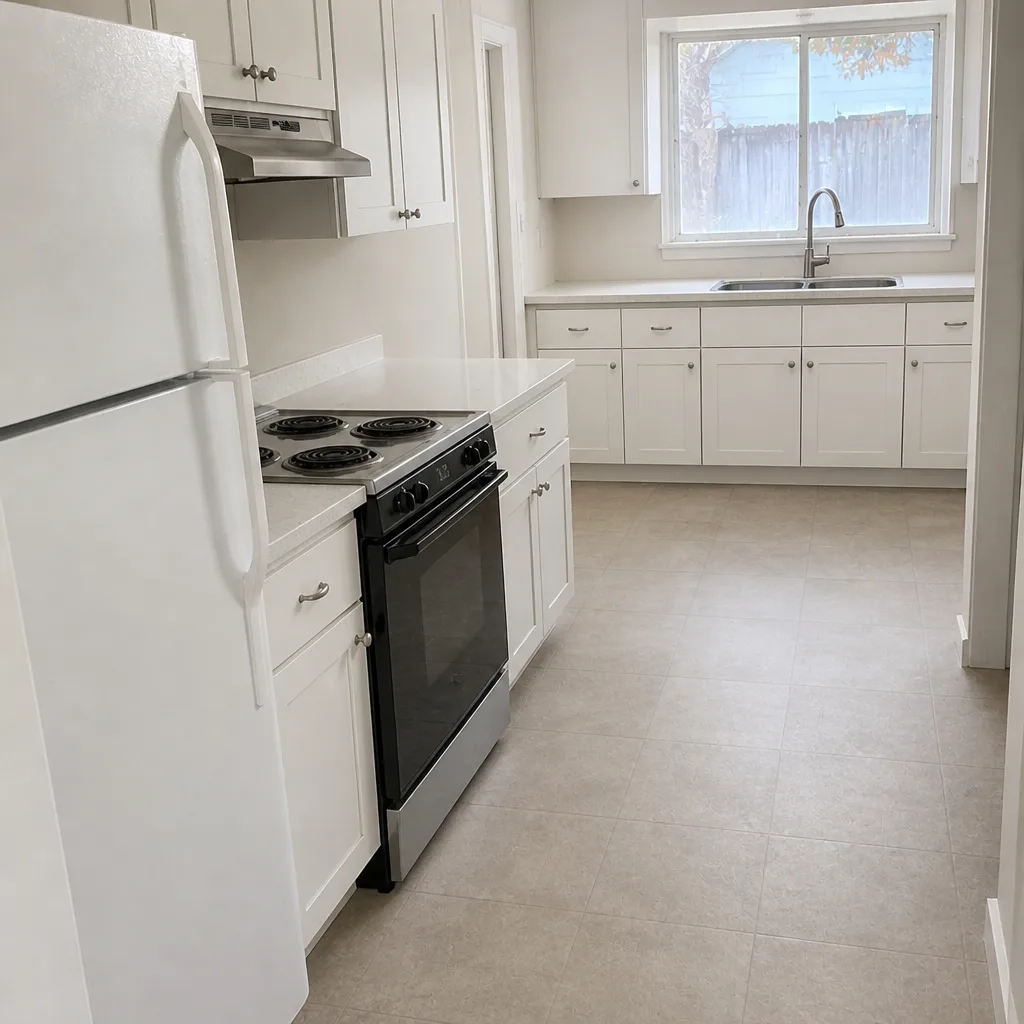
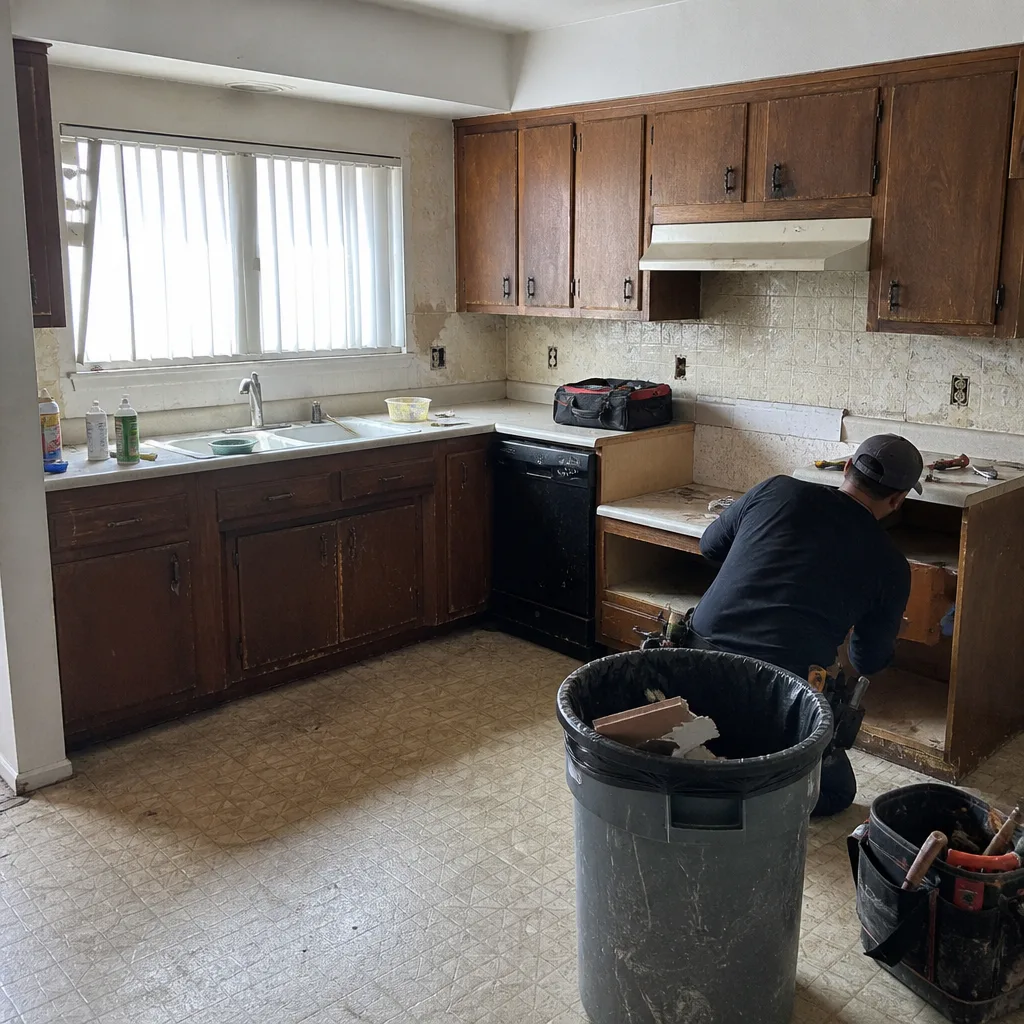
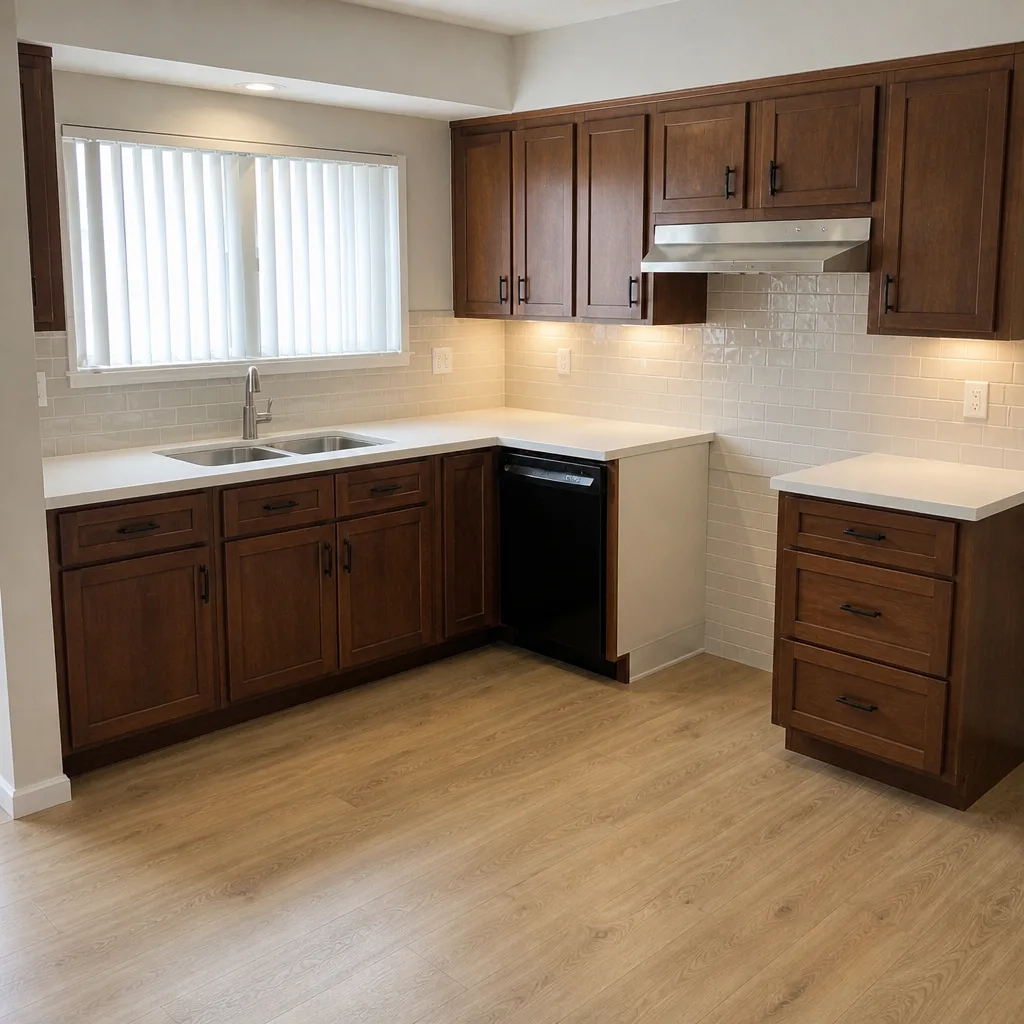
See the difference
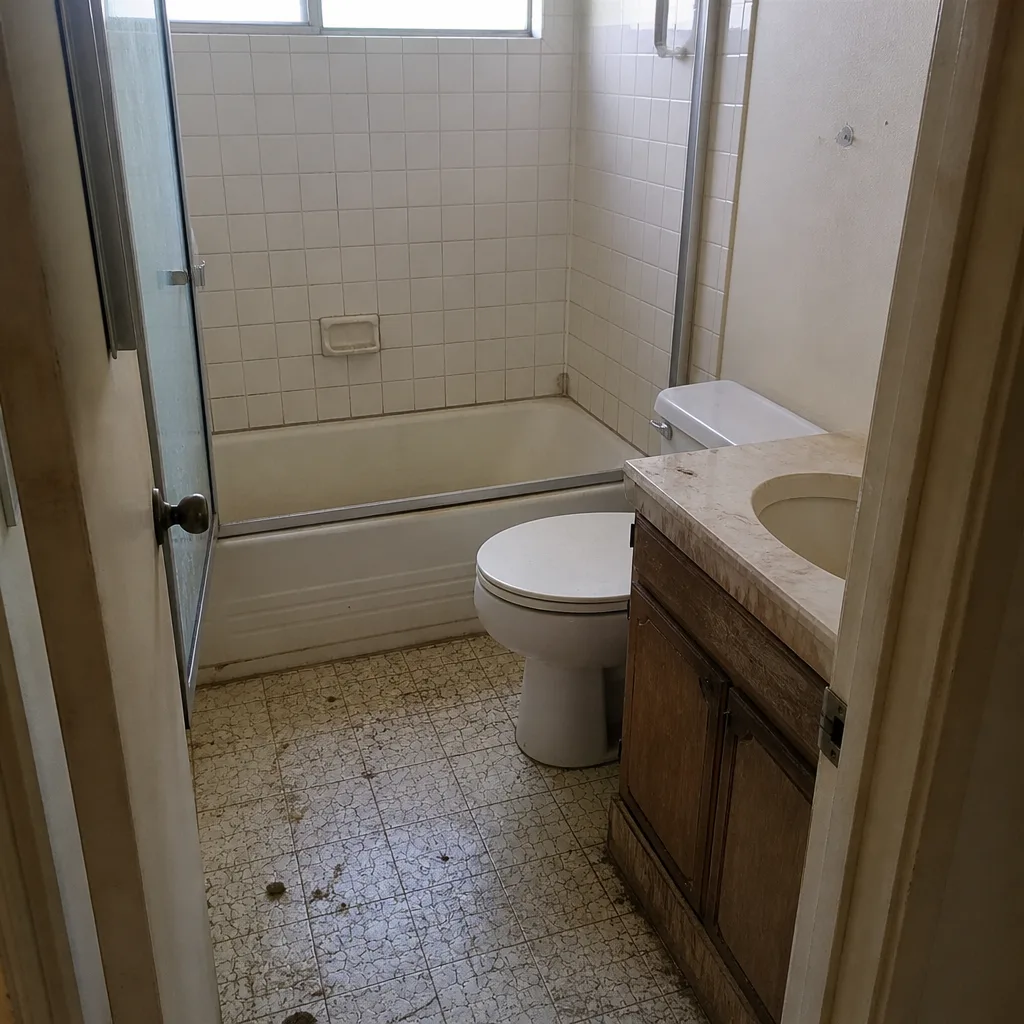 Before
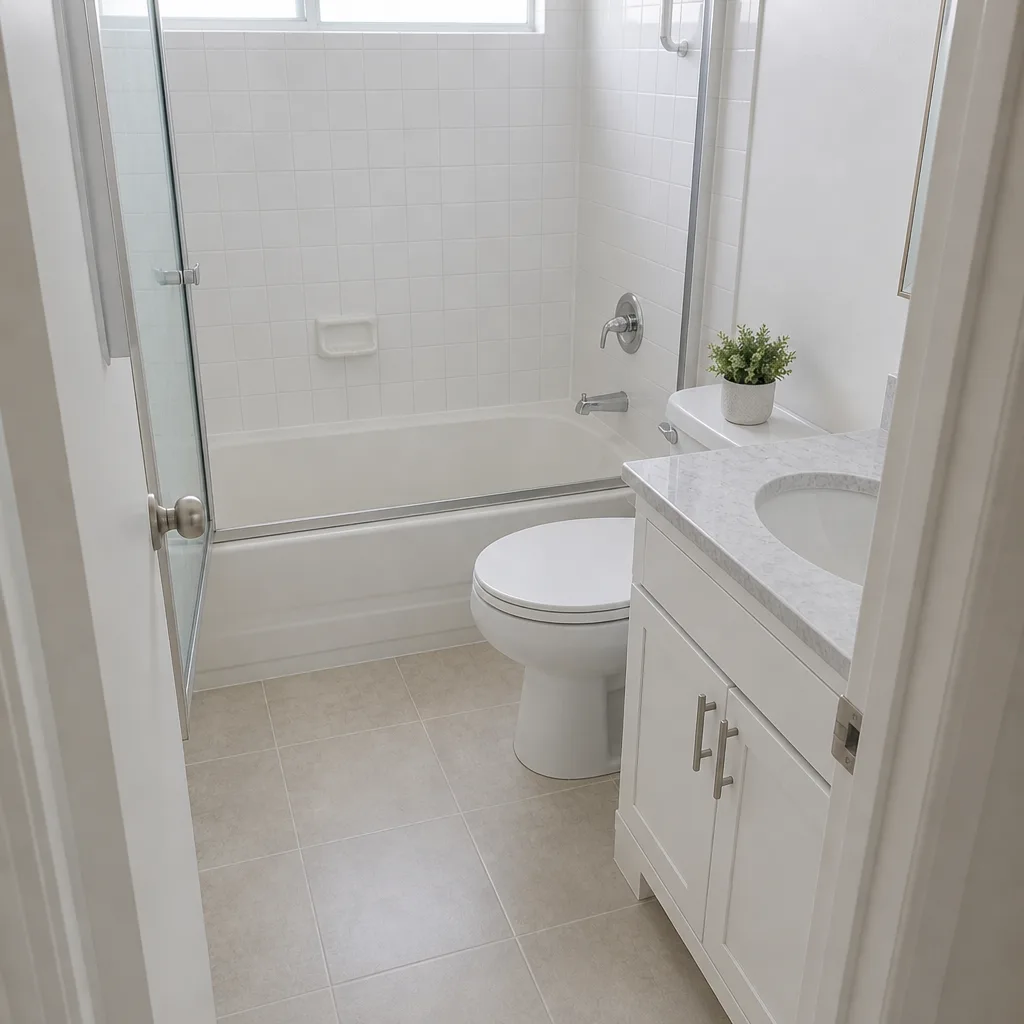 After
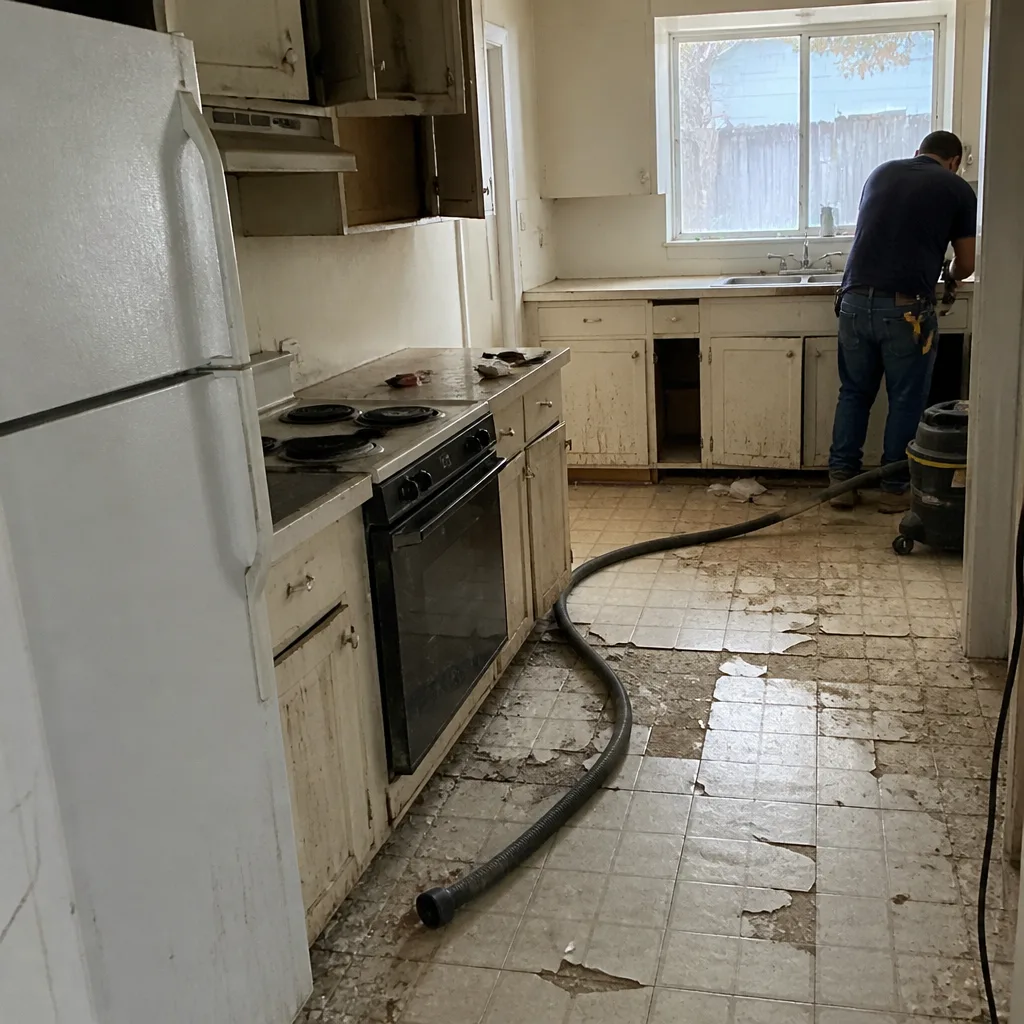 Before
 After
 Before
 After
When to Call a Professional
Call a pro when the project touches structural framing, electrical service, gas lines, plumbing rough-in, the roof, or the building envelope. Call a pro when the project requires a permit, because the inspection and disclosure trail lives with the property, not with you. And call a pro when the DIY failure mode would mean tearing out finished work and starting over.
The projects where we see homeowners most often regret going solo: window and door replacements done without proper flashing, ADU builds assembled without a licensed electrical and plumbing sign-off, and roofs patched in a way that hides slow leaks until the drywall has to come out. Construction Tustin handles all seven of our service categories under one contractor relationship, from the driveway to the roofline, so there’s no handoff gap between trades. If you want an honest read on whether your project is a Band 1, 2, or 3, get a free estimate. Construction Tustin offers free estimates in Tustin. Call (844) 415-6046. We answer 24/7. Fast dispatch from 7am to 7pm, Sunday through Friday.
Frequently Asked Questions
Most kitchen and bathroom remodels in Tustin require a permit because the work touches plumbing or electrical, even if the layout stays the same. Cosmetic work like painting, cabinet hardware, and tile without moving plumbing generally does not. Call the City of Tustin’s building department to confirm the specific scope before you start. If you’re not sure what qualifies, that’s the moment to call (844) 415-6046 for an honest read on your project – estimates are free.
Yes, on your own primary residence, under California’s owner-builder rules. The catch is that permitted owner-builder work triggers a ten-year disclosure obligation at sale and puts the code compliance and inspection failure record on the property, not on a licensed contractor. Paying someone else to do licensed work on your property without them holding a license is a different matter and creates real exposure. Call (844) 415-6046 to talk through what your project actually requires.
Usually not, if the failure traces to faulty workmanship. Standard homeowners policies exclude damage caused by faulty work, whether a contractor or a homeowner performed it. Coverage questions get murkier when unpermitted electrical or structural work contributed. Confirm coverage with your insurer before the project starts, and call (844) 415-6046 if you want a professional read on whether your project is insurable at completion.
California requires disclosure of owner-builder work at sale, along with statutory notice language, and that obligation generally runs for ten years from completion. The disclosure tells the buyer, lender, and their insurer that the property was modified without a licensed contractor’s oversight. That flag can shift an appraisal, extend days on market, or kill an offer. If you’re planning to sell inside the ten-year window, price the disclosure impact before you break ground. Call (844) 415-6046 for a free estimate if you’d rather establish a licensed paper trail from the start.
Demolition of non-structural finishes, cleanup, debris handling, and post-completion painting are the safest homeowner-assist phases. Anything that touches electrical rough-in, plumbing rough-in, framing, sheathing, flashing, or weather barriers creates liability for the contractor and removes their ability to warrant the work. Agree on the split in writing before work starts. Call (844) 415-6046 to scope a hybrid project – estimates are free.
Sometimes, but the permit will typically need to disclose that work is already in progress, and the inspector may require opened walls or a more careful review of what’s been done. Some contractors will decline entirely, because warranting someone else’s rough-in is a business risk they can’t carry. The cleaner path is starting with a licensed contractor from the permit pull forward. Call (844) 415-6046 for a free estimate before the work begins.
We source materials from 50+ name-brand manufacturers across every category we work in, from GAF, CertainTeed, and Owens Corning on the roofing side to KraftMaid and Wellborn for cabinetry, and Belgard and Techo-Bloc for pavers. Sourcing through us means the product is manufacturer-backed and the warranty follows the installation. On kitchen and bath fixture lines we work with Kohler, Grohe, and Toto. If you already own material, we’ll review the spec before we install it. Call (844) 415-6046 to walk through options – estimates are free.
The Bottom Line
The right question in Tustin isn’t “how good am I at DIY.” It’s “can this decision be reversed?” Cosmetic work that doesn’t touch a permit, structure, or the building envelope is fair game, and homeowner-assist on demo, cleanup, and post-completion painting can genuinely reduce cost. Anything that triggers a permit, an inspection, or the ten-year owner-builder disclosure is a professional job. That covers roofing, windows and doors, ADU construction, and any project that touches electrical, plumbing, or framing.
The true cost math matters too. Waste, tool rental, and the redo premium typically narrow the DIY savings on anything structural, and the insurance and disclosure consequences follow the property after the job is done.
If you want an honest read on your specific project, fence installation to roofing and everything between is in scope. One contractor. Every phase. No handoff gaps. We’ll walk you through the material options – here’s what each one actually means for your project. Call (844) 415-6046 for a free estimate. We answer 24/7. Fast dispatch from 7am to 7pm, Sunday through Friday.
Written by the team at Construction Tustin.